

Can Dogs Eat Tangerines?

Quick Answer: Yes, dogs can eat tangerines, but only the peeled, seedless segments and only in small amounts. Tangerines are a natural source of vitamin C, fiber, and potassium, yet their citric acid can upset sensitive stomachs, and the peel, seeds, and pith should never be fed. A couple of segments as an occasional treat is plenty for most dogs. Curious about other foods? See if bananas is safe for dogs. Curious about other foods? See if mango is safe for dogs. Curious about other foods? See if watermelon is safe for dogs.
Key Takeaways
- Peeled, seedless tangerine segments are safe for dogs in small quantities.
- Always remove the peel, pith, and seeds before offering tangerines to your dog.
- Tangerines provide vitamin C, fiber, potassium, and antioxidants like beta-carotene.
- Citric acid can cause vomiting or diarrhea if your dog eats too much citrus.
- The peel contains citrus oils (limonene) that may irritate your dog’s digestive system.
- Dogs produce their own vitamin C, so tangerines are a fun extra, not a nutritional necessity.
- A few segments a few times per week is a sensible limit; treats should stay under 10% of daily calories.
Can Dogs Eat Tangerines?
Yes, tangerines are one of the safer citrus fruits for dogs, provided you serve them correctly. The juicy segments inside are non-toxic and contain useful nutrients. Many dogs enjoy the sweet-tart flavor, and sharing a segment or two is a reasonable way to include your pup in snack time.
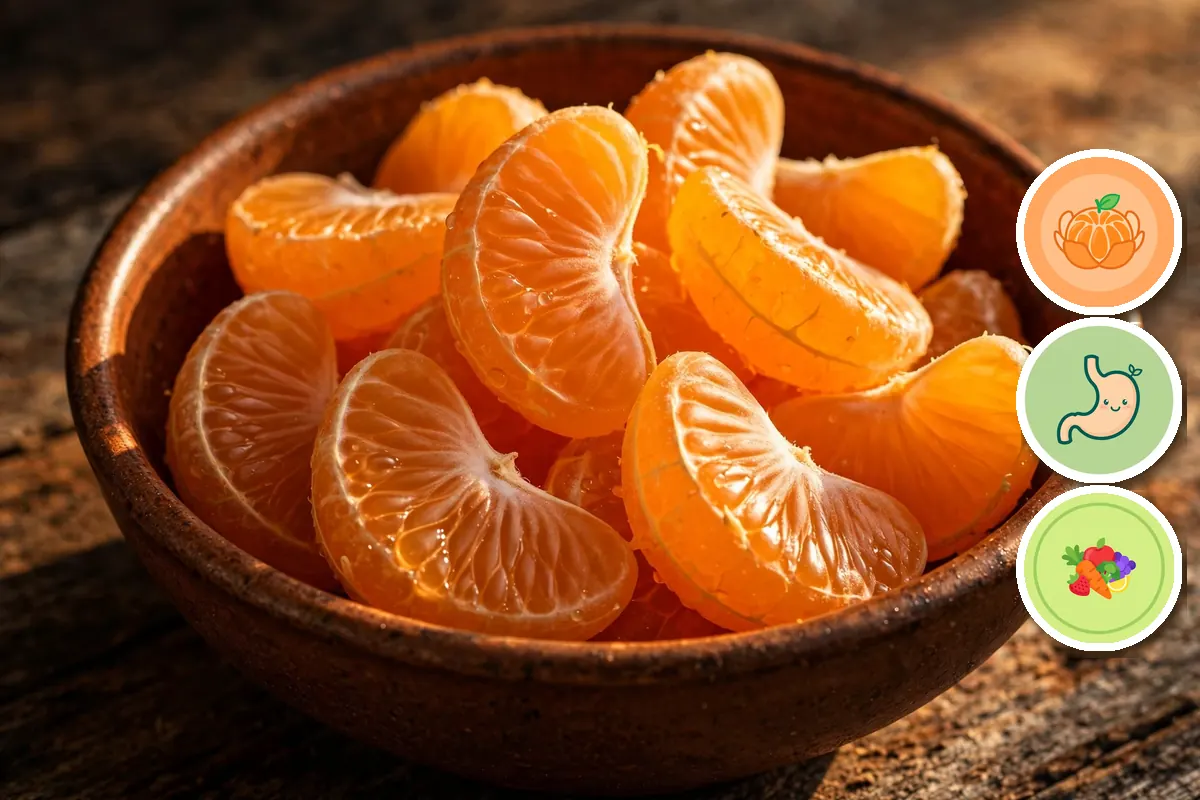
Preparation is where most owners go wrong. You must peel the tangerine completely, pull away the white pith, and pick out any seeds. The peel contains concentrated citrus essential oils that can cause digestive irritation, and the seeds are a minor choking hazard that also contain trace amounts of cyanide compounds, as with many fruit seeds. Only the soft inner segments should be offered.
Moderation matters as well. Tangerines are fairly sugary for a fruit, and their citric acid can trigger stomach upset in larger amounts. Dogs with sensitive digestion may react to even a modest portion, so introduce tangerines with one small segment first and watch how your dog responds before offering more.
Nutritional Profile of Tangerines
| Nutrient (per 100g peeled fruit) | Amount | Potential Benefit for Dogs |
|---|---|---|
| Vitamin C | 27 mg | Antioxidant; dogs synthesize their own, but extra is harmless in small amounts |
| Fiber | 1.8g | Supports healthy digestion and regular stools |
| Potassium | 166 mg | Supports muscle function and hydration balance |
| Beta-carotene | 155 mcg | Antioxidant that converts to vitamin A |
| Folate (B9) | 16 mcg | Supports cell growth and metabolism |
| Water | 85% | Helps with hydration, especially in warmer months |
| Natural sugars | 10.6g | Quick energy, but the main reason to limit portions |
Calories in Tangerines
A whole medium tangerine (about 90g) contains roughly 45–50 calories, or about 53 calories per 100 grams. That is relatively low compared to many fruits, but it still adds up quickly for small dogs, a single tangerine can represent a large share of a tiny dog’s treat budget. As with every treat, tangerines should make up no more than 10% of your dog’s total daily calories.
Benefits of Feeding Tangerines to Dogs
1. Vitamin C and Antioxidants
Tangerines are rich in vitamin C and beta-carotene, antioxidants that help neutralize free radicals. While dogs make their own vitamin C, the extra antioxidants in a small treat certainly do no harm.

2. Hydrating Snack
At around 85% water, tangerine segments are a juicy, hydrating treat, a nice option on warm days when your dog could use a refreshing bite.
3. Fiber for Digestion
The soluble fiber in tangerine flesh can support smooth digestion in moderate amounts. Fiber helps keep stools regular, which benefits dogs that tend toward constipation.
4. Potassium Support
Potassium is an essential electrolyte involved in muscle function and nerve signaling. Tangerines offer a modest amount that contributes to a balanced diet.
5. Low in Fat, Naturally Sweet
Tangerines contain virtually no fat, making them a lighter treat choice than fatty snacks. Their natural sweetness also makes them an appealing reward for dogs that love fruit flavors.
6. Easy to Portion
Segments are naturally bite-sized and easy to hand out one at a time, which helps you control portions and use them as training rewards for medium and large dogs.
Risks of Feeding Tangerines to Dogs
1. Citric Acid and Stomach Upset
The citric acid that gives tangerines their tang can irritate your dog’s stomach in larger amounts, leading to vomiting, diarrhea, or drooling. Dogs with sensitive stomachs may react even to small portions.
2. Peel and Pith Can Irritate the Gut
Tangerine peel contains citrus oils such as limonene that can cause digestive irritation and are difficult for dogs to digest. Always peel thoroughly and remove the white pith.
3. Seeds Are a Choking Hazard
Tangerine seeds can lodge in the throats of small dogs and contain small amounts of amygdalin, which converts to cyanide in the body. A few seeds are unlikely to cause poisoning, but removing them is simple and eliminates the risk.
4. High Sugar Content
At over 10 grams of sugar per 100 grams, tangerines are one of the sweeter fruits. Excess sugar contributes to weight gain and dental problems, so tangerines are not an everyday snack.
5. Allergic Reactions Are Possible
Citrus allergies in dogs are uncommon but not unheard of. Watch for itching, hives, or swelling the first time you offer tangerines, and consult your vet if you notice any reaction.
6. Too Many Segments at Once
Even perfectly prepared tangerine can cause loose stools if your dog eats several at once, a common scenario when a fruit bowl is left within reach. Keep tangerines stored out of your dog’s way.
Can Dogs Eat Tangerine Peel?
No. The peel is the part of the tangerine most likely to cause trouble. It is tough to digest, and its concentrated essential oils can irritate your dog’s mouth and stomach. If your dog swallows a piece of peel, watch for vomiting or diarrhea and call your vet if symptoms persist. Always peel tangerines fully before sharing.
Can Dogs Eat Tangerine Seeds?
You should remove the seeds. While a seed or two is unlikely to poison a dog, seeds are a choking risk for small breeds and contain trace amounts of compounds that release cyanide when digested. Seedless varieties like clementines are the easiest choice for dog owners.
Can Dogs Drink Tangerine Juice?
It is best to avoid it. Juice concentrates the sugar and acidity while removing the fiber that slows absorption, making stomach upset more likely. Store-bought juices are even worse, many contain added sugars or sweeteners that are unsafe for dogs. Stick to fresh segments.
How Many Tangerine Segments Can a Dog Eat?
Think of tangerine as an occasional treat, offered a few times per week at most. Start with one segment to test tolerance.
| Dog Size | Weight | Safe Treat Amount |
|---|---|---|
| Extra small | Under 5 kg | 1 segment |
| Small | 5–10 kg | 1–2 segments |
| Medium | 10–25 kg | 2–3 segments |
| Large | 25–40 kg | 3–4 segments |
| Giant | Over 40 kg | Up to half a tangerine |
Can Puppies Eat Tangerines?
Yes, puppies can have a small piece of peeled tangerine once they are eating solid food, but keep it to a single segment. Puppies have more delicate digestive systems and precise nutritional needs, so treats should be minimal. If your puppy shows any digestive upset, skip citrus until they are older and check with your vet.
How to Safely Feed Tangerines to Your Dog
Ways to Serve Tangerines to Dogs
- Fresh peeled segments: Peel fully, remove pith and seeds, and hand over one segment at a time.
- Training rewards: Use single segments as a high-value reward for medium and large dogs.
- Frozen segments: Freeze peeled segments for a cooling summer treat (best for larger dogs that won’t swallow them whole).
- Food topper: Chop a segment or two and mix into regular food for a burst of flavor.
Never feed tangerines with the peel on, and keep whole unpeeled fruit out of reach, dogs that steal a whole tangerine often eat the peel too.
Tangerines vs. Other Citrus Fruits for Dogs
| Fruit | Sugar (per 100g) | Acidity | Verdict for Dogs |
|---|---|---|---|
| Tangerine | 10.6g | Moderate | Safe in small amounts, peeled and seedless |
| Clementine | 9.2g | Moderate | Great choice, usually seedless and easy to peel |
| Orange | 9.4g | Moderate | Safe in small amounts, peeled and seedless |
| Lemon | 2.5g | High | Too acidic, avoid deliberate feeding |
| Grapefruit | 7g | High | Too acidic; peel and pith are more irritating |
Frequently Asked Questions
Are tangerines toxic to dogs?
No. The flesh of tangerines is not toxic to dogs. Only the peel, pith, and seeds pose problems, and the main risk from overeating is digestive upset from citric acid and sugar.
What should I do if my dog ate a whole tangerine with the peel?
Monitor for vomiting, diarrhea, or lethargy over the next 24 hours. A single whole tangerine usually causes only mild upset, but call your vet if symptoms are severe or your dog is very small.
Can dogs eat canned tangerines?
No. Canned tangerines are packed in sugary syrup, and the extra sugar makes them a poor choice. Fresh segments are the only form worth offering.
Are clementines safer than tangerines for dogs?
They are essentially the same fruit family, but clementines are often seedless and easier to peel, which makes preparation simpler. The same portion limits apply.
Can tangerines help with my dog’s vitamin C deficiency?
Dogs rarely have true vitamin C deficiencies because their livers produce it. If you suspect a deficiency, consult your vet rather than relying on fruit, a medical issue needs proper diagnosis.
Why does my dog like tangerines so much?
Dogs that enjoy sweet flavors often love the juicy sweetness of tangerine segments. Just because your dog begs for more does not mean more is fine, stick to the portion guide above.