

Can Dogs Eat Spinach?

Quick Answer: Yes, dogs can eat spinach in small amounts. It is packed with vitamins and minerals, but it also contains oxalic acid, which in large quantities can interfere with calcium absorption and contribute to kidney or bladder problems. Lightly cooked, plain spinach served as an occasional treat is the safest option. Many owners also wonder can dogs eat cucumbers before sharing snacks. Many owners also wonder can dogs eat celery before sharing snacks. You might also want to know can dogs eat broccoli.
Key Takeaways
- Spinach is safe for most dogs in small, occasional amounts.
- Lightly cooked spinach is better than raw, cooking reduces oxalates.
- Spinach is rich in vitamins A, C, and K, plus iron and antioxidants.
- Large amounts may contribute to calcium oxalate bladder stones in susceptible dogs.
- Dogs with kidney disease or a history of bladder stones should avoid spinach.
- Always serve plain, no garlic, onion, butter, salt, or seasoning.
- Spinach is a treat, not a meal: keep it under 10% of daily calories.
Can Dogs Eat Spinach?
Yes, spinach is a dog-safe vegetable when served correctly. It is low in calories and loaded with nutrients that support your dog’s overall health, from vitamin K for blood health to beta-carotene and lutein, powerful antioxidants that support eye and immune health. Many commercial dog foods even include small amounts of spinach or spinach powder for these benefits.
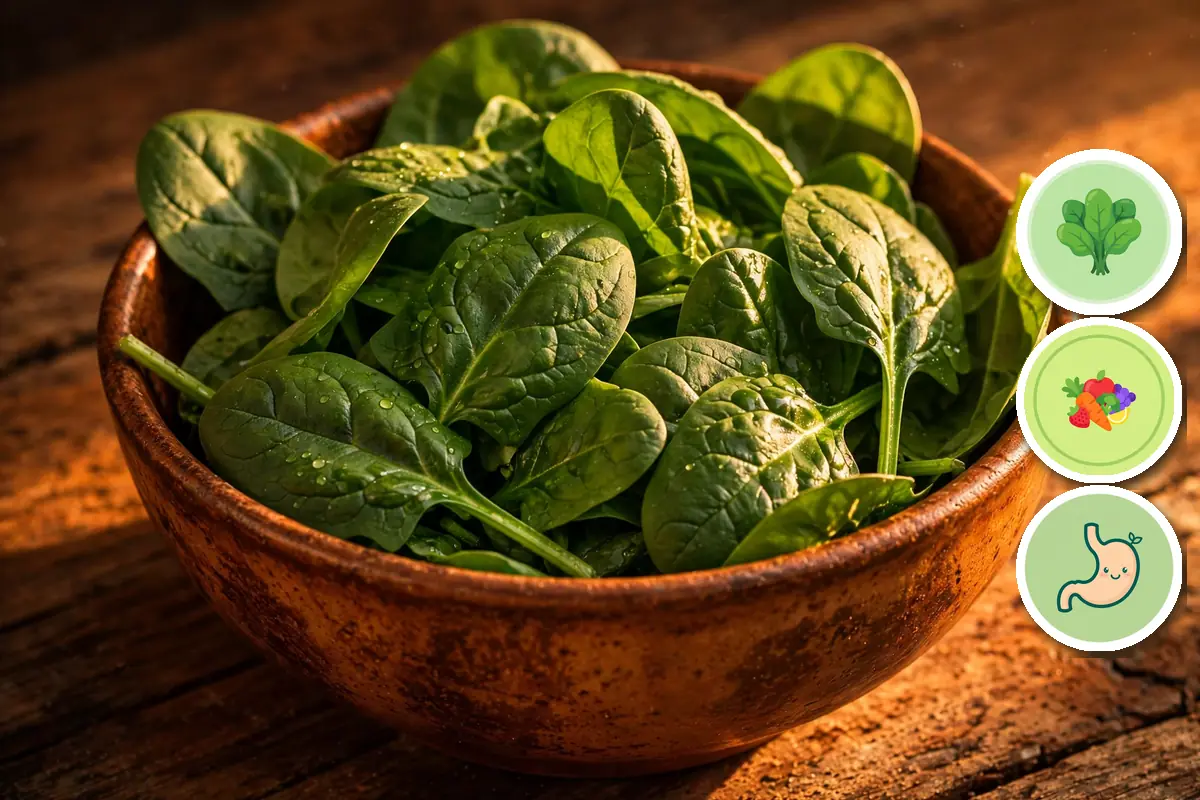
The catch is oxalic acid. Spinach is one of the highest-oxalate vegetables, and oxalates bind to calcium in the body, reducing how much calcium your dog can absorb. In very large quantities, or in dogs already prone to calcium oxalate bladder stones, this can increase stone risk. For a healthy dog, the small amount used as an occasional treat is not a concern, but spinach should never become a major daily staple.
Cooking makes a real difference here. Lightly steaming or boiling spinach reduces its oxalate content and breaks down the tough cell walls, making the nutrients easier for your dog to digest. Raw spinach is not dangerous in tiny amounts, but it is harder to digest and delivers the full oxalate load, so cooked and plain is always the better choice.
Nutritional Profile of Spinach
| Nutrient (per 100g raw) | Amount | Potential Benefit for Dogs |
|---|---|---|
| Vitamin K | 483 mcg | Supports blood clotting and bone health |
| Vitamin A (as beta-carotene) | 469 mcg RAE | Supports vision, skin, and immune function |
| Folate | 194 mcg | Supports cell growth and red blood cell formation |
| Vitamin C | 28 mg | Antioxidant; supports immune health |
| Iron | 2.7 mg | Supports oxygen transport in the blood |
| Magnesium | 79 mg | Supports muscle and nerve function |
| Potassium | 558 mg | Supports heart and muscle function |
| Fiber | 2.2 g | Supports healthy digestion |
| Lutein & zeaxanthin | 12 mg | Antioxidants that support eye health |
Calories in Spinach
Spinach is extremely low in calories, raw spinach contains roughly 23 calories per 100 grams. A small handful (about 30g, a typical treat portion for a medium dog) adds only around 7 calories, making spinach one of the best low-calorie treat options for dogs that need to watch their weight. Steaming does not meaningfully change the calorie count, so you can cook it for digestibility without worrying about extra calories.
Benefits of Feeding Spinach to Dogs
1. Packed with Vitamins A, C, and K
Few vegetables match spinach’s vitamin density. Vitamin A supports vision and skin health, vitamin C acts as an antioxidant for the immune system, and vitamin K plays a role in healthy blood clotting and bone metabolism.

2. Rich in Iron
Spinach is one of the better plant sources of iron, which dogs need to produce hemoglobin and carry oxygen in the blood. While meat sources are more bioavailable, spinach can contribute to overall iron intake in a varied diet.
3. Powerful Antioxidants
Spinach contains lutein, zeaxanthin, beta-carotene, and flavonoids, antioxidants that help neutralize free radicals. These compounds are associated with eye health and may help support the immune system as dogs age.
4. Supports Digestive Health
The fiber in spinach supports healthy digestion and regular bowel movements. Because spinach is so low in calories, it can add bulk and satisfaction to meals for dogs on weight-management diets.
5. Low-Calorie Treat Option
At just 23 calories per 100g, spinach is ideal for training treats or meal toppers when your dog needs fewer calories. You can offer a meaningful volume of food without the calorie load of commercial treats.
6. Contains Folate and Magnesium
Folate supports cell division and red blood cell production, while magnesium contributes to muscle and nerve function. These micronutrients round out spinach’s nutritional profile for dogs.
Risks of Feeding Spinach to Dogs
1. High Oxalate Content
Spinach is very high in oxalic acid, which binds calcium and can reduce calcium absorption. In large amounts over time, oxalates may contribute to the formation of calcium oxalate bladder stones in susceptible dogs. Cooking reduces oxalate levels, which is another reason to serve spinach cooked.
2. Not Suitable for Dogs with Kidney Issues
Dogs with kidney disease or a history of calcium oxalate bladder stones should avoid spinach entirely. If your dog has any urinary or kidney condition, skip this vegetable and consult your vet about safer green alternatives like green beans.
3. Digestive Upset in Large Amounts
Too much spinach at once can cause gas, bloating, or diarrhea, especially in dogs not used to leafy greens. Introduce it gradually, a teaspoon or two to start, and watch how your dog responds.
4. Pesticide Residue
Spinach frequently appears on lists of produce with higher pesticide residues. Buy organic when possible, and always wash fresh spinach thoroughly under running water before cooking it for your dog.
5. Seasoned or Creamed Spinach Is Unsafe
Human spinach dishes often contain garlic, onion, butter, cream, salt, or nutmeg, several of which are toxic or unhealthy for dogs. Only share spinach that you prepared plain, with no additives at all.
Can Dogs Eat Raw Spinach?
It is safer cooked. A few small raw leaves are unlikely to harm a healthy dog, but raw spinach is harder to digest and contains the full load of oxalates. Lightly steaming or boiling the leaves softens them, reduces oxalates, and makes the vitamins and minerals more available. If your dog steals a raw leaf from the kitchen, there is no need to panic, just make cooked the norm.
Can Dogs Eat Frozen Spinach?
Yes, as long as it is plain frozen spinach with no added sauces, butter, or seasoning. Frozen spinach is typically blanched before freezing, which already reduces oxalate content. Thaw it and warm it through before serving, or mix a small amount into your dog’s regular food.
Can Dogs Eat Spinach Stems?
The stems are safe but tougher and more fibrous than the leaves, which can make them harder to digest and a mild choking concern for small dogs. If you feed spinach, stick mostly to the leaves, chop everything finely, and discard thick woody stems.
Can Dogs Eat Baby Spinach?
Yes, baby spinach is simply young spinach leaves. It is more tender and milder than mature spinach, which actually makes it a good choice for dogs. The same rules apply: serve it cooked, plain, and in small amounts.
How Much Spinach Can a Dog Eat?
Spinach should be an occasional treat, not a daily vegetable in large volumes. The portions below assume lightly cooked, plain spinach, offered a few times per week at most.
| Dog Size | Weight | Safe Treat Amount |
|---|---|---|
| Extra small | Under 5 kg | 1–2 tsp chopped cooked spinach |
| Small | 5–10 kg | 1–2 tbsp chopped cooked spinach |
| Medium | 10–25 kg | 2–3 tbsp chopped cooked spinach |
| Large | 25–40 kg | About 1/4 cup chopped cooked spinach |
| Giant | Over 40 kg | About 1/3 cup chopped cooked spinach |
Can Puppies Eat Spinach?
Yes, puppies can have tiny amounts of plain cooked spinach. Puppies have very specific nutritional requirements for growth, so treats of any kind, including vegetables, should stay under 10% of their daily calories. A teaspoon of finely chopped steamed spinach mixed into puppy food is plenty. Avoid spinach entirely if your puppy has any urinary or kidney concerns, and never feed seasoned spinach dishes.
How to Safely Feed Spinach to Your Dog
Ways to Serve Spinach to Dogs
- Lightly steamed and chopped: Steam fresh or frozen leaves for 2–3 minutes until wilted, chop finely, and let cool before serving.
- Food topper: Mix a tablespoon of chopped cooked spinach into your dog’s regular kibble or wet food.
- Blended into treats: Puree cooked spinach and mix with plain pumpkin or peanut butter (xylitol-free), then freeze in molds for veggie treats.
- Mixed with eggs: Stir a little chopped cooked spinach into plain scrambled eggs (cooked in no oil) for a nutrient-dense topper.
Spinach vs. Other Leafy Greens for Dogs
| Green | Calories (per 100g) | Oxalate Level | Verdict for Dogs |
|---|---|---|---|
| Spinach | 23 | High | Safe in small amounts; cook it first |
| Kale | 35 | Moderate | Safe cooked in moderation; goitrogens in excess |
| Green beans | 31 | Low | Excellent low-calorie treat; very safe |
| Romaine lettuce | 17 | Very low | Safe but less nutritious; mostly water |
Frequently Asked Questions
Is spinach good for dogs?
In small amounts, yes. Spinach delivers vitamins A, C, and K, iron, and antioxidants for very few calories. The main caveat is its high oxalate content, so it should be an occasional treat rather than a dietary staple.
Can spinach cause kidney problems in dogs?
Very large amounts of spinach over time could theoretically contribute to calcium oxalate bladder stones in susceptible dogs because of its oxalate content. Normal treat-sized portions in a healthy dog are not a concern, but dogs with kidney disease or stone history should avoid spinach.
How should I cook spinach for my dog?
Steam or boil plain leaves for 2–3 minutes until wilted, then chop finely and let them cool. Use no oil, butter, salt, garlic, or onion. This method reduces oxalates and makes the spinach easier to digest.
Can dogs eat creamed spinach?
No. Creamed spinach contains butter, cream, and often garlic, onion, or nutmeg, ingredients that are too rich or outright toxic for dogs. Only plain, unseasoned spinach is safe.
What vegetables are safer than spinach for dogs?
Green beans, carrots, pumpkin, and zucchini are all very safe, low-oxalate vegetables that most dogs enjoy. They make excellent everyday alternatives if you want a regular veggie treat.
My dog ate a large amount of raw spinach, what should I do?
A single large serving is unlikely to cause serious harm in a healthy dog, but watch for digestive upset such as vomiting or diarrhea. Offer plenty of water, and call your vet if symptoms persist or if your dog has a history of bladder stones or kidney disease.