Can Dogs Eat Roast Beef?

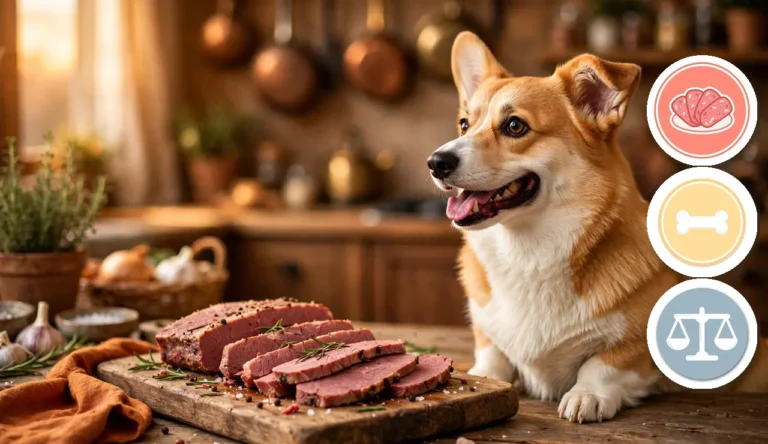
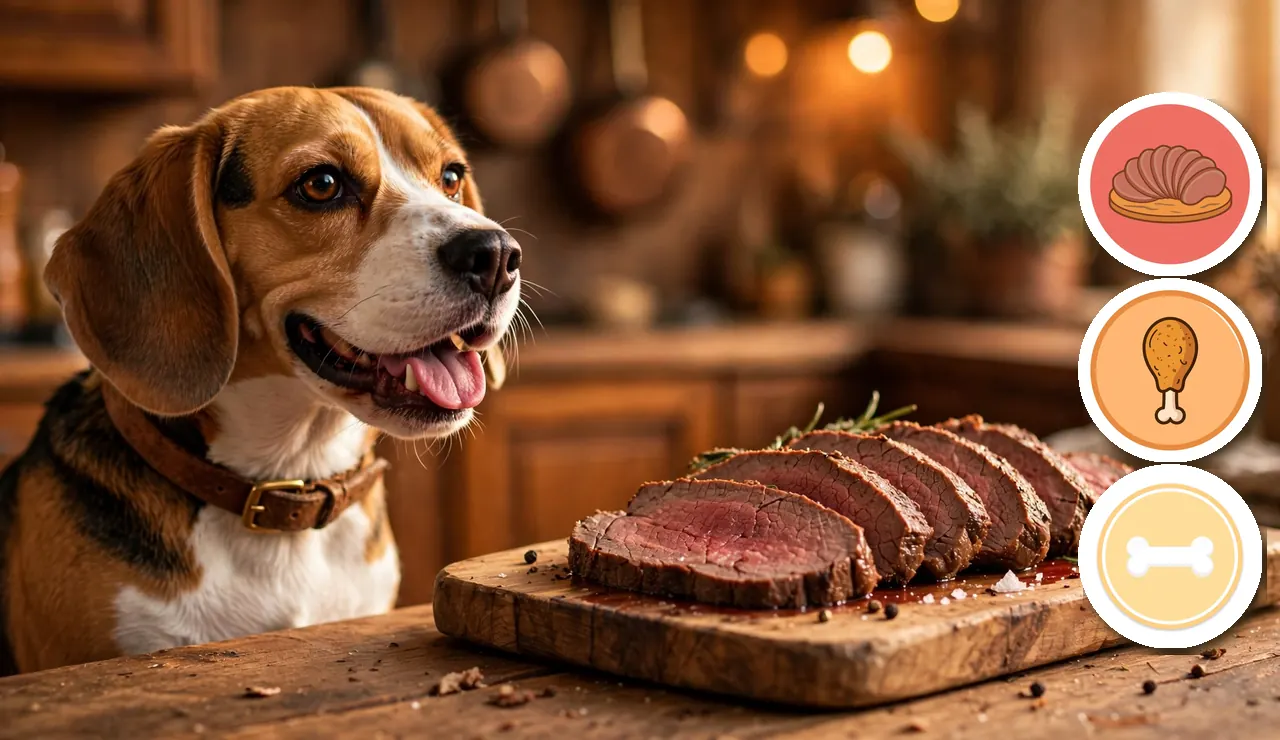
Quick Answer: Yes, dogs can eat roast beef as long as it is plain, cooked through, and served in moderation. Beef is a nutritious, protein-rich meat that suits most dogs well. The problems come from typical roast preparations, garlic and onion in rubs and marinades, heavy salt, rich gravy, and fatty trimmings, so always set aside a plain portion for your dog before seasoning the roast.
Key Takeaways
- Plain, cooked roast beef is safe for dogs and provides high-quality protein, iron, zinc, and B vitamins.
- Never feed roast beef seasoned with garlic, onion, or onion/garlic powder, all are toxic to dogs.
- Trim visible fat: fatty pieces and drippings can cause digestive upset or pancreatitis.
- Cook beef thoroughly; avoid serving rare or raw roast beef due to bacterial risk.
- Skip the gravy, it is too salty and fatty for dogs.
- Deli-style or pre-seasoned roast beef is too high in sodium and preservatives for regular feeding.
- A few small slices as an occasional treat or food topper is plenty.
Can Dogs Eat Roast Beef?
Yes, beef is one of the most common proteins in commercial dog food for good reason. It is rich in complete protein, iron, zinc, selenium, and B vitamins, and most dogs digest it easily. A home-cooked roast, carved plain, is essentially the same meat in a less processed form, so there is nothing inherently unsafe about sharing roast beef with your dog. If you are exploring other safe treats, learn whether dogs can eat shrimp. For more variety in safe snacks, check our guide on whether dogs can eat parmesan cheese. If you are exploring other safe treats, learn whether dogs can eat swiss cheese.
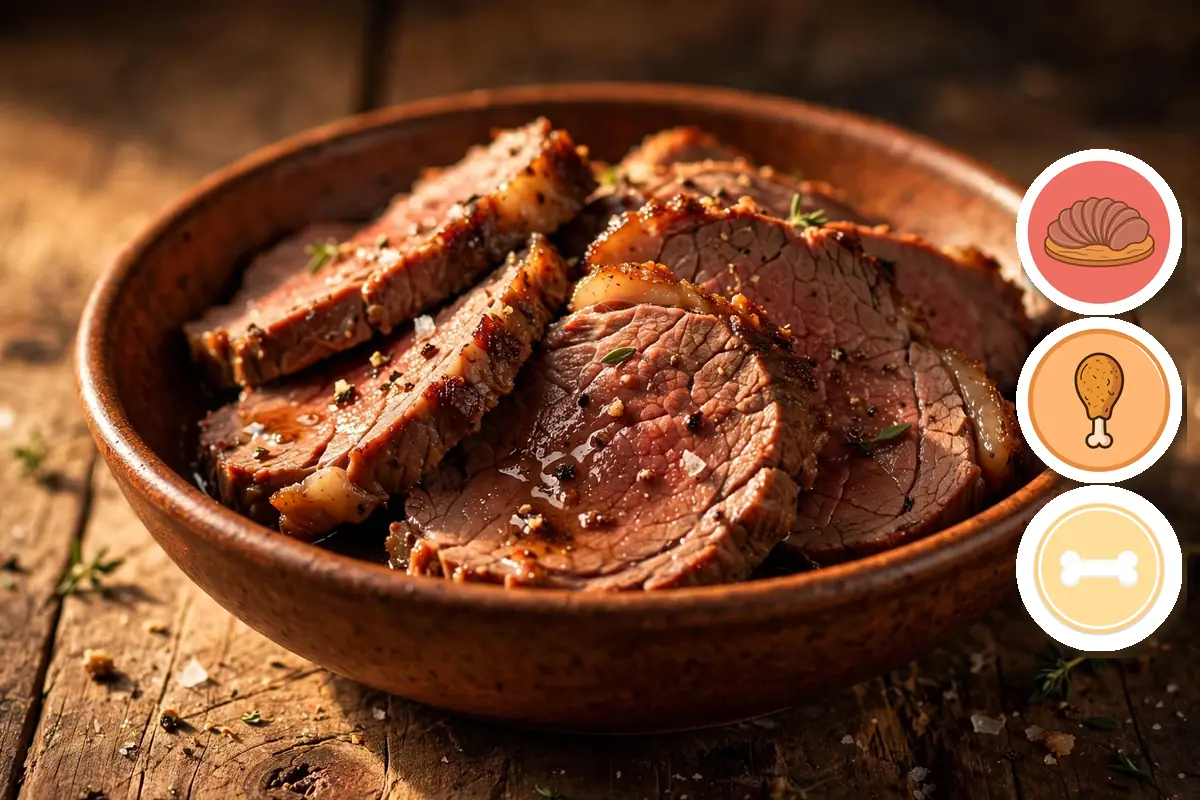
Where roast beef gets risky is in the seasoning. A classic Sunday roast is often rubbed with garlic, studded with garlic cloves, or basted alongside onions, and both garlic and onion are toxic to dogs, capable of damaging red blood cells and causing anemia. Onion and garlic powders are even more concentrated than the fresh vegetables. Heavy salt crusts, pepper-heavy rubs, and sugary glazes add further problems. The safest approach is simple: before you season the joint, cut off a plain piece for your dog and cook it separately, or roast it unseasoned alongside.
Fat is the other watch-out. Roasting produces delicious fatty edges, drippings, and crackling-style bits, all of which are far too rich for a dog’s digestive system. A sudden fatty meal can trigger vomiting, diarrhea, or in susceptible dogs, pancreatitis, a painful inflammation of the pancreas. Trim the meat lean, skip the drippings, and your dog can enjoy roast beef safely.
Nutritional Profile of Roast Beef
| Nutrient (per 100g roasted lean beef) | Amount | Potential Benefit for Dogs |
|---|---|---|
| Protein | 28g | Complete protein for muscle maintenance and repair |
| Iron | 3.5 mg | Supports oxygen transport and red blood cell health |
| Zinc | 6 mg | Supports skin, coat, and immune health |
| Vitamin B12 | 6 mcg | Supports nerve function and red blood cells |
| Niacin (B3) | 5 mg | Supports energy metabolism |
| Selenium | 25 mcg | Antioxidant; supports thyroid function |
| Phosphorus | 200 mg | Supports bones and teeth |
| Fat (lean cut) | 8–12g | Energy source, choose lean cuts to keep fat moderate |
Calories in Roast Beef
Lean roasted beef contains roughly 180–220 calories per 100 grams, depending on the cut. A fatty rib roast can climb well above 300 calories per 100g, which is why cut choice matters. As with any treat, roast beef should stay within 10% of your dog’s daily calorie intake, for most dogs, that means a few small slices, not a plateful.
Benefits of Feeding Roast Beef to Dogs
1. Excellent Complete Protein
Beef provides all essential amino acids in highly bioavailable form, supporting muscle maintenance, tissue repair, and a healthy immune system.
2. Rich in Iron
Beef is one of the best dietary sources of heme iron, which supports healthy red blood cells and oxygen transport, particularly valuable for active dogs.
3. Loaded with Zinc and B12
Zinc supports skin, coat, and immune health, while vitamin B12 supports nerve function and energy metabolism. Beef is exceptionally rich in both.
4. Highly Palatable
Most dogs find beef irresistible, making roast beef useful as a high-value training reward or a way to entice a picky eater.
5. Good for Homemade Diets
Lean roast beef works well as the protein base in vet-formulated homemade meals when balanced with appropriate carbohydrates, vegetables, and supplements.
6. Naturally Grain-Free Protein
For dogs that do best avoiding grains, plain beef is a straightforward single-ingredient protein option.
Risks of Feeding Roast Beef to Dogs
1. Garlic and Onion Seasoning
The biggest danger in roast beef. Garlic and onion, fresh, powdered, or cooked into the meat’s juices, are toxic to dogs and can cause oxidative damage to red blood cells, leading to anemia. Symptoms may take days to appear.
2. Excess Fat and Drippings
Fatty trimmings, roast drippings, and the fatty cap can cause vomiting, diarrhea, or pancreatitis in susceptible dogs. Always trim meat lean and discard drippings.
3. High Sodium
Salt-crusted roasts, brined beef, and especially deli roast beef contain far more sodium than dogs need. Excess salt can cause excessive thirst, and very large amounts can lead to sodium ion poisoning.
4. Cooked Bones
If your roast is bone-in (such as a rib roast), never give your dog the cooked bones, they splinter into sharp fragments that can injure the mouth, throat, or intestines.
5. Gravy Is Off-Limits
Beef gravy is concentrated fat, salt, and often onion. It can trigger anything from mild stomach upset to pancreatitis. Keep it off your dog’s plate entirely.
6. Rare or Raw Beef Risks
Serving roast beef rare or raw exposes your dog to bacteria like Salmonella and E. coli. Cook beef to a safe internal temperature throughout.
Can Dogs Eat Deli Roast Beef?
It is best to avoid it as a regular treat. Deli roast beef is high in sodium and often contains preservatives, flavorings, and sometimes garlic or onion powder. An occasional tiny piece is unlikely to harm a healthy dog, but it should never be a staple snack, plain home-roasted beef is far safer.
Can Dogs Eat Roast Beef with Gravy?
No, skip the gravy. Even homemade gravy is essentially seasoned fat and meat juices, too rich and salty for dogs. If you want to moisten your dog’s portion, use a splash of plain low-sodium bone broth with no onion or garlic instead.
Can Dogs Eat Leftover Roast Beef?
Yes, provided the leftovers were cooked plain or you can trim away seasoned outer portions. Cold leftover roast beef, diced small, makes a fine training treat. Avoid leftovers coated in gravy, heavy rubs, or sauces, and refrigerate promptly, do not feed beef left at room temperature for hours.
How Much Roast Beef Can a Dog Eat?
Roast beef should be an occasional treat or topper, not a meal replacement (unless part of a vet-designed diet). Stick to lean, plain, well-cooked meat.
| Dog Size | Weight | Safe Treat Amount |
|---|---|---|
| Extra small | Under 5 kg | 1–2 small cubes (about 1 tbsp) |
| Small | 5–10 kg | 2–3 small cubes (about 2 tbsp) |
| Medium | 10–25 kg | A few slices (about 1/4 cup diced) |
| Large | 25–40 kg | About 1/3 cup diced |
| Giant | Over 40 kg | About 1/2 cup diced |
Can Puppies Eat Roast Beef?
Yes, puppies can have small pieces of plain, well-cooked, lean roast beef. It is gentle and nutritious. However, puppies need precisely balanced nutrition for growth, so beef should only be a tiny occasional treat, their puppy food must remain the main diet. Make sure pieces are small and soft enough to chew safely.
Sunday Roast Safety Tips for Dog Owners
- Cut off a plain, unseasoned piece for your dog before rubbing or marinating the joint.
- Cook your dog’s portion to well-done, no pink centers.
- Keep onion-heavy sides (like onion gravy or stuffing) and Yorkshire pudding batter out of reach.
- Secure the trash: roast bones, fatty trimmings, and greasy foil are prime targets for counter-surfing dogs.
- Tell guests not to slip the dog fatty scraps or gravy-soaked bits under the table.
How to Safely Feed Roast Beef to Your Dog
Ways to Serve Roast Beef to Dogs
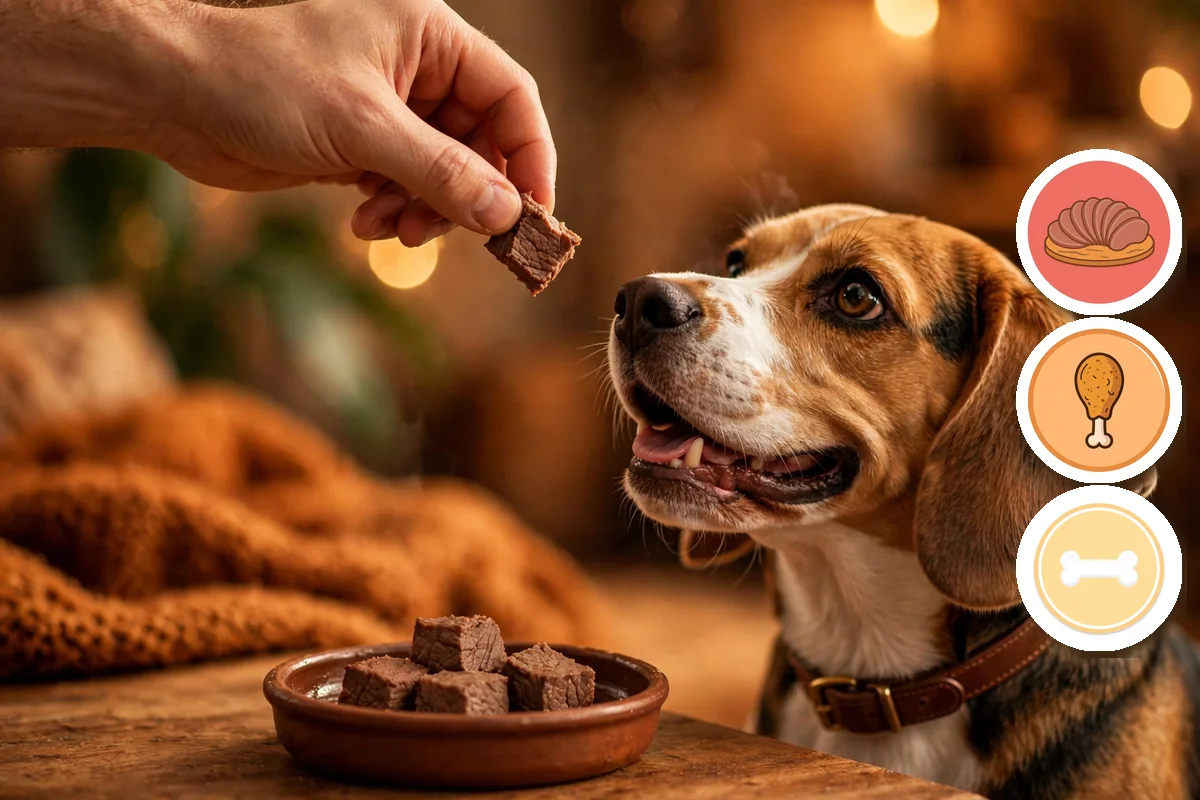
- Plain diced cubes: Roast a lean cut (like topside or silverside) unseasoned; dice into bite-size pieces.
- Food topper: Mix a tablespoon or two of diced roast beef into regular kibble.
- Training treats: Cut cold leftover roast beef into pea-size cubes and refrigerate for training sessions.
- Frozen enrichment: Mix diced beef with plain water or low-sodium broth and freeze in a Kong or mold.
Roast Beef vs. Other Meats for Dogs
| Meat | Protein (per 100g) | Iron | Verdict for Dogs |
|---|---|---|---|
| Beef (lean roast) | 28g | High | Excellent, serve plain and lean |
| Chicken breast | 31g | Low | Excellent lean choice; common allergen though |
| Turkey breast | 29g | Moderate | Excellent lean alternative |
| Pork loin | 27g | Moderate | Fine plain and cooked; fattier cuts need care |
| Lamb | 25g | Moderate | Good novel protein; can be fatty |
Frequently Asked Questions
Can dogs eat roast beef slices from the deli every day?
No, deli roast beef is too high in sodium and preservatives for daily feeding. Save it for a very occasional tiny taste, and choose plain home-cooked beef for regular treats.
Can dogs eat roast beef fat?
No. Fatty trimmings and the fat cap should be cut off and discarded. Too much fat can cause digestive upset or pancreatitis.
What if my dog ate seasoned roast beef with garlic?
A small amount may cause only mild stomach upset, but garlic toxicity is dose-dependent and symptoms can be delayed by several days. Call your vet for advice, especially if your dog ate a large amount or is small.
Can dogs eat cold roast beef?
Yes, cold, plain, cooked roast beef is perfectly fine. Just make sure it was refrigerated promptly and has not been sitting out for hours.
Is roast beef better than ground beef for dogs?
Nutritionally they are similar when the fat content is comparable. Roast beef from a lean cut is often leaner than standard ground beef; either is fine served plain and cooked.
Can dogs eat roast beef bones?
No. Cooked bones from a rib roast or any bone-in joint can splinter and cause choking, blockages, or perforations. Never give cooked bones of any kind.