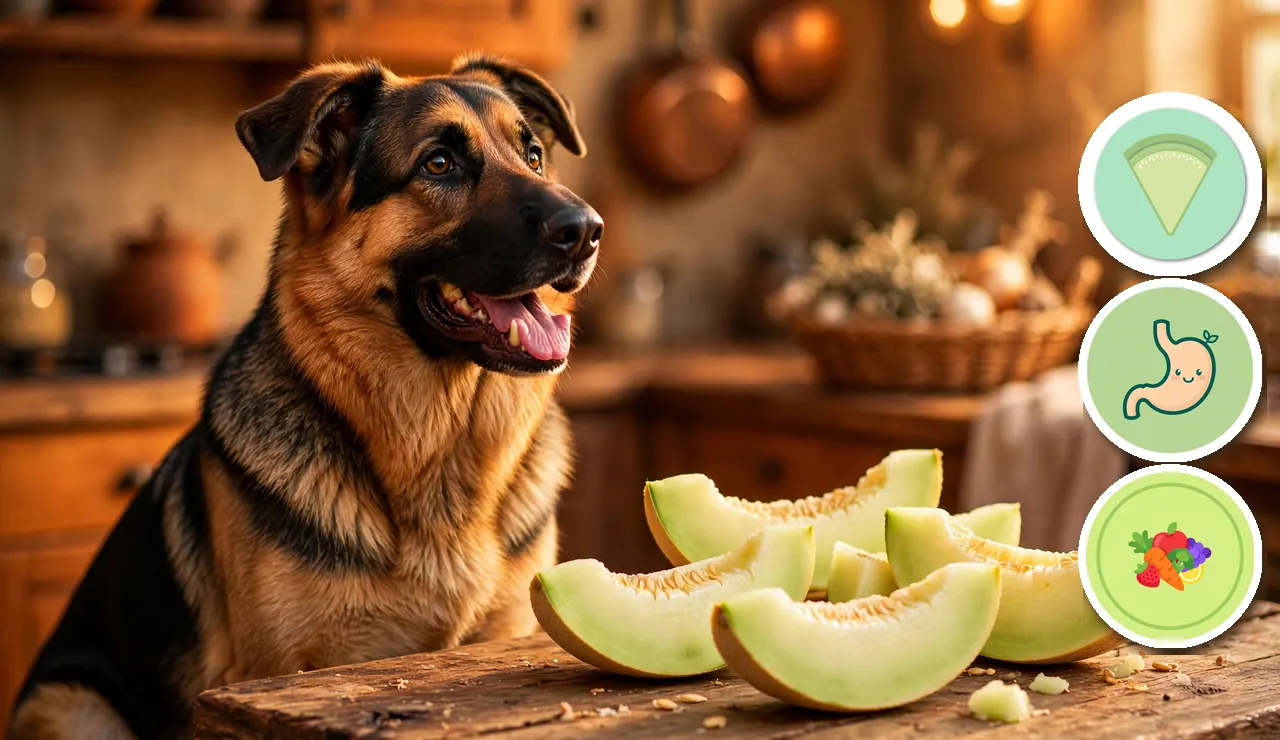
Can Dogs Eat Honeydew?

Quick Answer: Yes, dogs can eat honeydew melon. The sweet green flesh is safe, hydrating, and packed with vitamins, a genuinely healthy occasional treat. Just serve it in bite-size pieces with the rind and seeds removed, and keep portions modest because honeydew is high in natural sugar. As with all treats, it should make up no more than 10% of your dog’s daily calories. As you plan dog-friendly treats, find out whether bananas is safe for dogs. Many owners also wonder can dogs eat pineapple before sharing snacks.
Key Takeaways
- Honeydew flesh is safe and healthy for dogs, it is hydrating, low in fat, and rich in vitamins A and C.
- Always remove the rind: it is tough, hard to digest, and can cause intestinal blockage, especially in small dogs.
- Remove the seeds, they are a choking hazard and contain trace amounts of compounds dogs should not eat in quantity.
- Honeydew is about 90% water, making it an excellent cooling summer treat.
- The natural sugar content is high, so portions should stay small, especially for diabetic or overweight dogs.
- Cut melon into bite-size cubes to prevent choking, and introduce any new food gradually.
- Frozen honeydew cubes make a refreshing enrichment treat on hot days.
Can Dogs Eat Honeydew?
Yes, honeydew is one of the better fruits you can share with your dog. Unlike grapes or raisins, which are toxic, melons are firmly on the safe list. The pale green flesh is soft, easy to chew, and made up of roughly 90% water, so it doubles as a hydrating snack. It also delivers meaningful amounts of vitamin C, vitamin A (as beta-carotene), B vitamins, and potassium, with almost no fat and very few calories per bite.
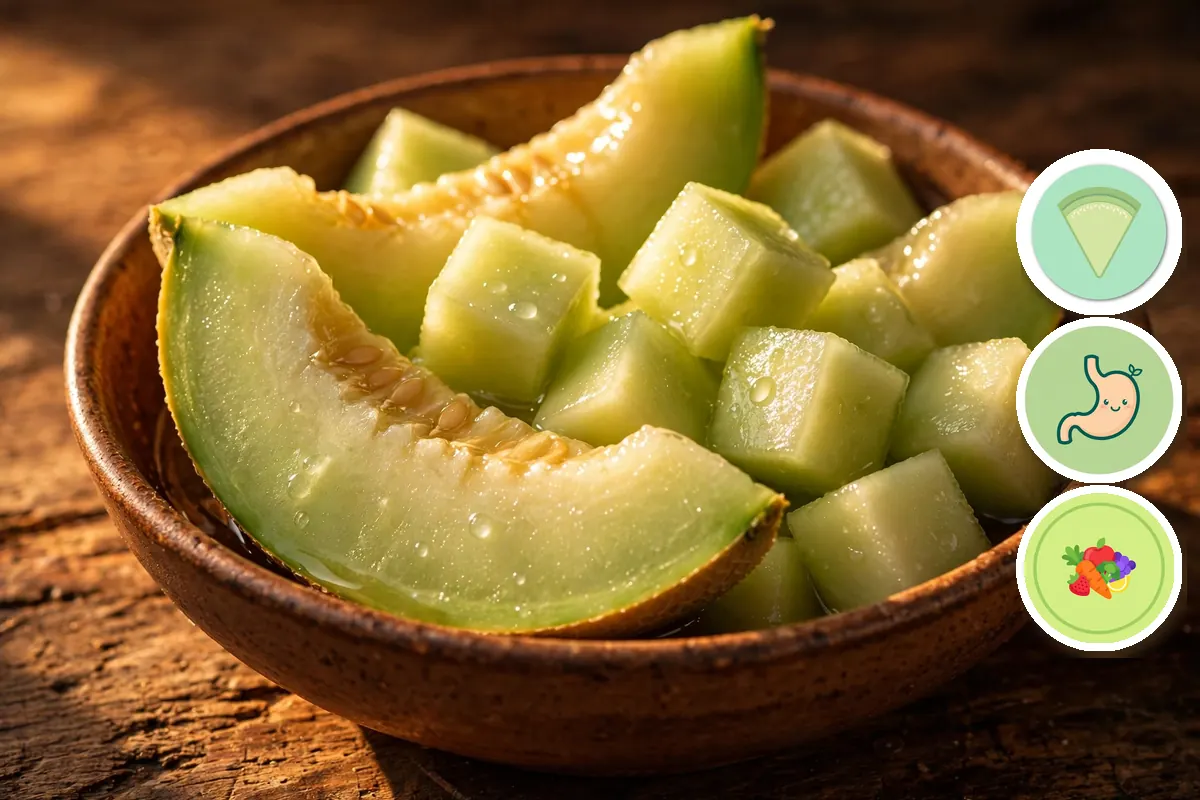
The safety caveats are all about preparation, not the fruit itself. The rind is the main concern: it is thick, fibrous, and difficult for dogs to digest. Large pieces of rind can cause choking or, worse, an intestinal blockage requiring surgery, a risk that is highest in small dogs but real for any size. The seeds clustered in the center should also be scooped out; while a swallowed seed or two is unlikely to cause harm, they are a choking hazard and contain small amounts of amygdalin-related compounds, so there is no reason to include them.
Sugar is the other consideration. Honeydew tastes like candy because it is roughly 8–9% sugar by weight. That is natural fruit sugar, not added sugar, but it still counts toward daily calories and can spike blood sugar. For most healthy dogs, a few cubes as an occasional treat is perfectly fine. For diabetic dogs or dogs managing their weight, check with your vet first and keep portions extra small, or choose a lower-sugar option like cucumber or watermelon rind-free flesh in strict moderation.
Nutritional Profile of Honeydew
| Nutrient (per 100g flesh) | Amount | Potential Benefit for Dogs |
|---|---|---|
| Water | 90g | Excellent hydration, especially in summer |
| Calories | 36 kcal | Low-calorie treat option |
| Vitamin C | 18 mg | Antioxidant; supports immune function |
| Vitamin A (beta-carotene) | 3 mcg RAE | Supports vision, skin, and immune health |
| Potassium | 227 mg | Supports muscle and nerve function |
| Folate (B9) | 21 mcg | Supports cell growth and metabolism |
| Vitamin B6 | 0.09 mg | Supports brain health and metabolism |
| Fiber | 0.8g | Small amount supports healthy digestion |
| Natural sugars | 8g | Energy, but the reason portions must stay small |
Calories in Honeydew
Honeydew contains only about 36 calories per 100 grams, roughly a generous handful of cubes. That makes it one of the lowest-calorie sweet treats you can offer, far lighter than commercial biscuits or cheese. Still, the 10% treat rule applies: for a 10 kg dog eating 400 calories daily, treats should total under 40 calories, which works out to about half a cup of honeydew cubes at most, and ideally less when other treats are given the same day.
Benefits of Feeding Honeydew to Dogs
1. Superb Hydration
At 90% water, honeydew is nearly as hydrating as watermelon. It is a great way to top up fluid intake for dogs that do not drink enough, reluctant drinkers, or any dog on a hot day, though it never replaces fresh water.
2. Rich in Vitamin C
Honeydew is one of the better fruit sources of vitamin C, an antioxidant that supports immune function and helps combat oxidative stress. Dogs synthesize their own vitamin C, but dietary top-ups during stress or illness may be beneficial, ask your vet.
3. Low in Fat, Gentle on Stomachs
With virtually no fat, honeydew is unlikely to trigger the digestive upset or pancreatitis concerns associated with rich treats, making it suitable for dogs on low-fat diets (in appropriate portions).
4. Good Source of Potassium
Potassium supports healthy muscle function, nerve signaling, and fluid balance, useful for active dogs, provided portions are sensible.
5. Low-Calorie Sweetness Dogs Love
Most dogs adore the sweet taste, so honeydew works brilliantly as a training reward or pill disguiser without the calorie load of commercial treats.
6. Supports Eye and Skin Health
The beta-carotene (a vitamin A precursor) and vitamin C in honeydew contribute to healthy vision, skin, and coat when fed as part of a balanced diet.
7. Easy to Prepare and Serve
No cooking required, just scoop out seeds, slice off the rind, and cube the flesh. It takes under two minutes to prepare a dog-safe serving.
Risks of Feeding Honeydew to Dogs
1. Rind Can Cause Blockages
The tough outer rind resists digestion and can lodge in the intestines, particularly in small dogs. Signs of blockage, vomiting, loss of appetite, abdominal pain, lethargy, no bowel movements, need emergency veterinary attention. Always cut the flesh completely away from the rind.
2. Seeds Are a Choking Hazard
Honeydew seeds are slippery and easily inhaled or swallowed whole. Scoop the entire seed cavity clean before cutting cubes for your dog.
3. High Natural Sugar
At 8g sugar per 100g, honeydew is one of the sweeter melons. Too much can cause diarrhea in sensitive dogs, contribute to weight gain, and is inappropriate in large amounts for diabetic dogs.
4. Pesticide Residue on Rind
Melon rinds can carry pesticide residues and bacteria from the field and from handling. Wash the whole melon thoroughly before cutting, and use a clean knife, this also prevents dragging surface contaminants into the flesh.
5. Overfeeding Causes Digestive Upset
Even safe fruits cause problems in excess. Too much honeydew at once, especially the fiber and sugar combined, commonly leads to loose stools or diarrhea. Introduce gradually with a few cubes first.
6. Spoiled Melon Risk
Cut melon spoils quickly at room temperature and can harbor bacterial growth. Refrigerate cut honeydew, discard leftovers after a few days, and never feed mushy, fermented-smelling, or moldy pieces.
Can Dogs Eat Honeydew Rind?
No, do not feed the rind. It is too tough for dogs to chew properly or digest, creating both a choking hazard and a genuine intestinal blockage risk. Even large dogs that gulp rind pieces can end up in trouble. Always slice the flesh cleanly away from the rind, and dispose of rinds where your dog cannot fish them out of the trash.
Can Dogs Eat Honeydew Seeds?
It is best to remove them. A seed or two swallowed accidentally is unlikely to poison a dog, but seeds are a choking hazard and contain trace cyanogenic compounds, there is simply no benefit to including them. Scooping the seed cavity takes seconds and removes the risk entirely.
Can Dogs Eat Cantaloupe Too?
Yes, cantaloupe follows the same rules as honeydew: flesh yes, rind and seeds no, portions modest. Cantaloupe is slightly higher in beta-carotene (it is orange, after all) and a touch higher in sugar. Watermelon (seedless, rind removed) is another excellent melon option and even more hydrating. All three make great summer treats prepared the same way.
How Much Honeydew Can a Dog Eat?
Honeydew should be an occasional treat, not a dietary staple. A few cubes a couple of times per week is plenty for most dogs.
| Dog Size | Weight | Safe Treat Amount |
|---|---|---|
| Extra small | Under 5 kg | 1–2 small cubes |
| Small | 5–10 kg | 2–4 cubes |
| Medium | 10–25 kg | A small handful (about 1/4 cup cubed) |
| Large | 25–40 kg | About 1/3 cup cubed |
| Giant | Over 40 kg | About 1/2 cup cubed |
Can Puppies Eat Honeydew?
Yes, puppies can have small pieces of honeydew flesh. Its softness makes it easy for young teeth, and the sweetness is highly motivating for training. Keep pieces tiny to prevent choking, remove every trace of rind and seeds, and start with just one or two cubes to make sure the puppy’s developing digestion handles it. As always, treats should not displace balanced puppy food.
How to Safely Feed Honeydew to Your Dog
Ways to Serve Honeydew to Dogs
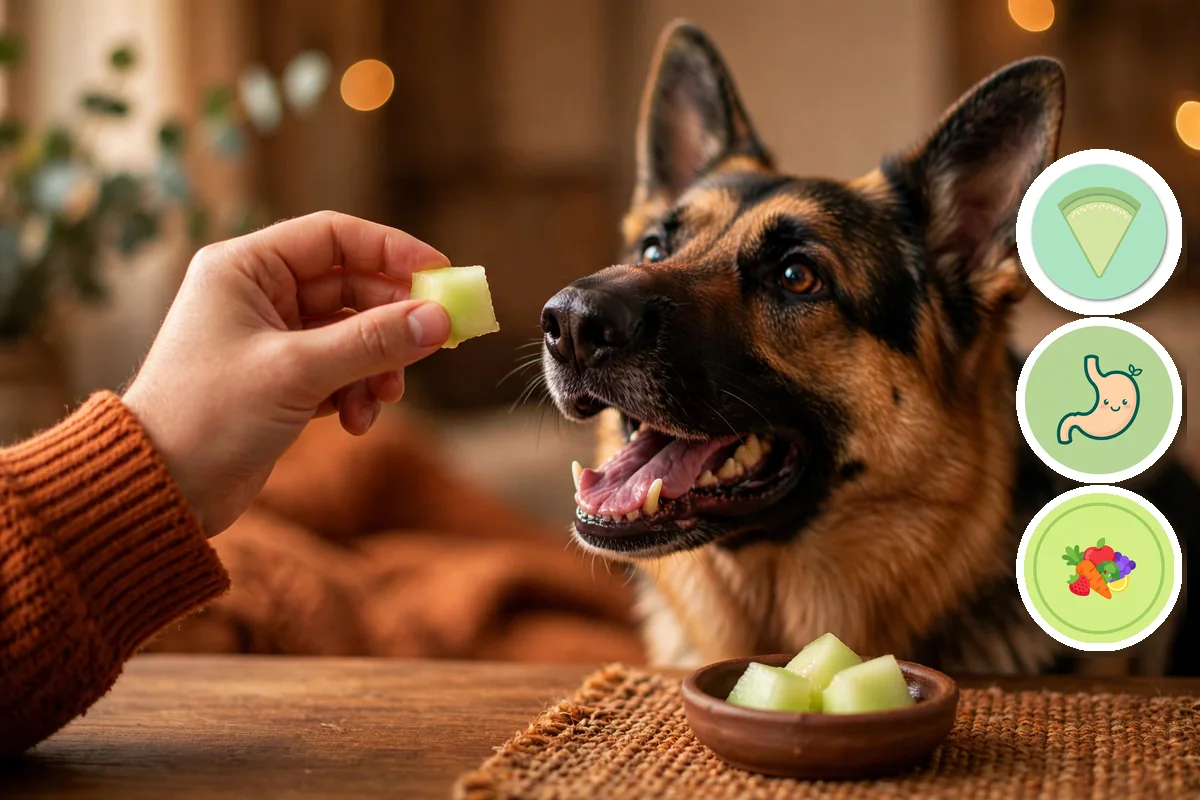
- Fresh cubes: Wash the melon, scoop out seeds, slice flesh away from rind, and cut into bite-size cubes appropriate for your dog’s size.
- Frozen melon cubes: Freeze cubes on a tray for a refreshing summer enrichment treat that takes longer to eat.
- Melon medley: Mix honeydew cubes with seedless watermelon and blueberries for a colorful fruit salad topper.
- Frozen Kong filling: Mash honeydew with a little plain yogurt (xylitol-free) and freeze inside a Kong.
- Training rewards: Use pea-sized cubes as low-calorie, high-motivation training treats.
Honeydew vs. Other Melons for Dogs
| Melon | Water Content | Sugar (per 100g) | Standout Nutrient | Verdict for Dogs |
|---|---|---|---|---|
| Honeydew | 90% | 8g | Vitamin C | Excellent, hydrating and gentle |
| Cantaloupe | 90% | 8g | Beta-carotene | Excellent, same prep rules |
| Watermelon (seedless) | 92% | 6g | Lycopene | Excellent, most hydrating |
Frequently Asked Questions
Can dogs eat honeydew every day?
A few small cubes daily is fine for most healthy dogs, provided total treats stay under 10% of daily calories. But variety is better, rotate honeydew with other dog-safe fruits and vegetables rather than serving the same treat every single day.
Is honeydew good for dogs with upset stomachs?
Its high water content and gentle fiber can be soothing, and many owners use melon during mild digestive recovery. However, for vomiting or persistent diarrhea, stick to vet-recommended bland foods (like plain boiled chicken and rice) and consult your vet, fruit sugar can worsen some digestive issues.
Can dogs eat unripe honeydew?
Unripe honeydew is safe but hard, bland, and tougher to digest, dogs are unlikely to enjoy it and it may cause mild stomach upset. Wait until the melon is ripe (slightly soft at the blossom end, sweet aroma) before sharing.
My dog ate honeydew rind, what should I do?
Do not panic, but monitor closely. A small piece may pass uneventfully in a large dog. Watch for vomiting, loss of appetite, abdominal pain, lethargy, or straining to defecate over the next 24–72 hours, these can signal a blockage and need prompt veterinary care. Call your vet for guidance, especially for small dogs or large pieces.
Can dogs eat honeydew with the skin on?
No. The skin (rind) should always be removed, it is indigestible, a choking hazard, and a blockage risk. Only the soft inner flesh is suitable for dogs.
Is honeydew safe for diabetic dogs?
Honeydew’s sugar content makes it a poor choice for diabetic dogs except in truly tiny amounts approved by your vet. Lower-sugar treats like green beans, cucumber, or small pieces of plain chicken are safer options for managing blood sugar.