
Can Dogs Eat Egg Shells?

Quick Answer: Yes, dogs can eat egg shells, but only when finely ground into a powder, since shells are a natural source of calcium. Raw whole shells are not safe, because they can carry salmonella, cut the mouth and gut, and choke a dog. Only add ground shells with your veterinarian’s guidance, since most dogs on a complete diet already get enough calcium.
Key Takeaways
- Finely ground egg shell powder is a natural calcium source for dogs.
- Raw whole egg shells are unsafe because of salmonella, sharp edges, and choking risk.
- Bake shells before grinding to kill bacteria, then grind them to a fine powder.
- One teaspoon of ground shell holds about 800 mg of calcium, so a little goes a long way.
- Too much calcium can harm dogs, especially puppies and large breeds.
- Most dogs on a complete commercial diet do not need extra calcium at all.
- Ask your veterinarian before adding egg shell powder to a homemade or raw diet.
Can Dogs Eat Egg Shells?
Yes, dogs can eat egg shells when they are prepared correctly. An egg shell is about 95 percent calcium carbonate, which makes ground shells one of the cheapest natural calcium supplements. Many owners who feed a homemade or raw diet use shell powder to balance calcium and phosphorus in the food. When shells are baked and ground to a fine powder, they are safe and easy to digest.
Whole shells are a different story. A raw egg shell can carry salmonella bacteria on its surface, and a broken shell has sharp edges that can cut the mouth, throat, or intestines. A large piece can also choke a dog or block the gut. That is why the shell must be cooked and ground before it ever reaches your dog’s bowl. Hard boiled eggs are a much simpler way to feed your dog egg, since the cooked egg itself is nutritious and the shell stays out of the bowl.
Calcium is not a case of more being better. Too much calcium can cause skeletal problems in growing puppies, especially large breeds, and can interfere with other minerals. Dogs eating a complete commercial food already get the calcium they need, so extra shell powder can do more harm than good.
Nutritional Profile of Egg Shells
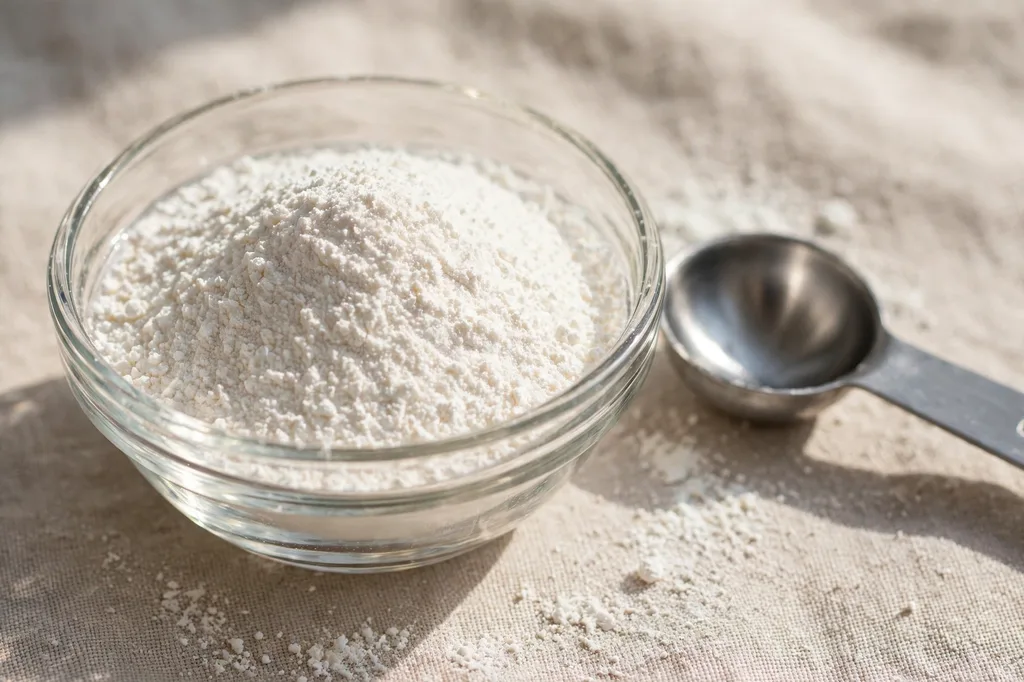
Egg shells are almost pure calcium carbonate, with small amounts of other minerals. The table below shows the approximate nutrients in 100 grams of ground egg shell powder.
| Nutrient per 100g | Amount | Benefit for Dogs |
|---|---|---|
| Calcium | 38,000 mg | Builds strong bones and teeth. |
| Calcium carbonate | 95 g | The main calcium compound in shells. |
| Magnesium | 400 mg | Supports muscles, nerves, and bones. |
| Phosphorus | 100 mg | Works with calcium for bone health. |
| Strontium | 250 mg | Trace mineral linked to bone strength. |
| Calories | 0 kcal | Adds no calories to the diet. |
| Protein | 0 g | Shells provide minerals, not protein. |
| Zinc | Trace | Supports skin and immune health. |
Calories in Egg Shells
Ground egg shells contain no calories at all, which makes them one of the few supplements that add nutrition without adding energy. A teaspoon of shell powder weighs about 5 grams and holds roughly 800 mg of calcium, yet adds zero calories to the meal. That is useful for dogs on a weight management diet that still need calcium, but it also means the dose is easy to get wrong. Because shell powder is so concentrated, measuring with a proper measuring spoon matters, and a kitchen scale is even better. A scale gives the most accurate dose, since spoonfuls of powder can vary in weight. Never guess the amount, since a small extra spoonful can double the calcium your dog receives.
Benefits of Feeding Egg Shells to Dogs
Ground egg shells offer a few clear benefits, mainly for dogs on homemade diets.
1. A Natural Source of Calcium
Egg shell powder is about 95 percent calcium carbonate, a form of calcium dogs absorb well, and a natural alternative to synthetic supplements.
2. Supports Strong Bones and Teeth
Calcium is the main mineral in bones and teeth, and the right amount of shell powder helps keep bones strong.
3. Balances Homemade and Raw Diets
Meat is high in phosphorus and low in calcium, so homemade diets need a calcium source. Ground egg shells are the standard way raw feeders fix that ratio.
4. Helps Maintain Healthy Joints
Calcium and trace minerals support bone density, which helps joints stay healthy as a dog ages. Shell powder is not a joint treatment, but correct calcium supports the skeleton.
5. Cheap and Easy to Prepare
Egg shells are free if you already buy eggs, and a single batch can last for weeks in a sealed jar.
6. Adds No Calories or Fat
Shell powder adds minerals without calories, fat, or sugar, which suits overweight dogs that need calcium.
Risks and Disadvantages
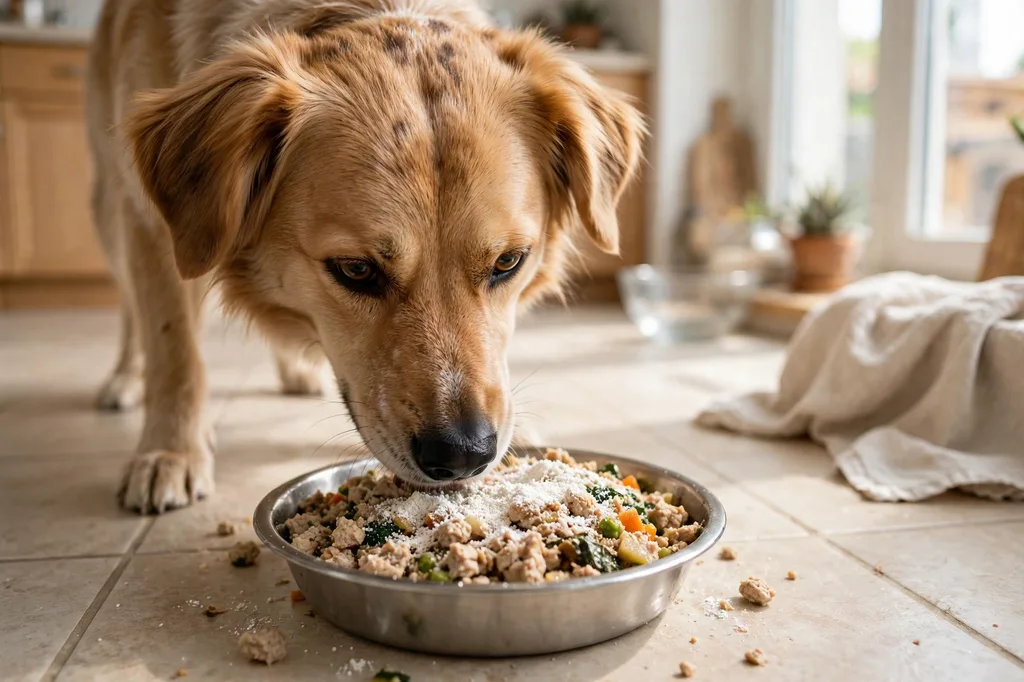
Egg shells are safe only when prepared and dosed correctly. The risks come from raw shells, sharp pieces, and too much calcium.
1. Salmonella from Raw Shells
Raw egg shells can carry salmonella, which can cause vomiting, diarrhea, and fever. Baking shells at 150°C for 10 minutes kills the bacteria. Never feed raw shells.
2. Sharp Edges Can Cut the Gut
A broken shell has sharp edges that can scratch or cut the mouth, throat, stomach, and intestines. Grinding shells to a fine powder removes this risk completely.
3. Choking and Blockage
Large pieces of shell can choke a dog or block the intestines, especially in small dogs and puppies. Only fine powder is safe, never crushed chunks or whole shells.
4. Too Much Calcium Harms Puppies
Excess calcium is most dangerous for growing puppies, especially large and giant breeds. It can cause skeletal deformities and joint problems that last for life. Never add shell powder to a puppy’s diet without veterinary advice.
5. Calcium Blocks Other Minerals
Too much calcium can block the absorption of zinc, iron, and magnesium, so excess shell powder may cause other deficiencies.
6. Not Needed on Complete Diets
Dogs eating a complete commercial food already get the right amount of calcium. Adding shell powder on top can push calcium too high and cause constipation, urinary stones, or skeletal problems.
Can Dogs Eat Raw Egg Shells?
No, dogs should not eat raw egg shells. Raw shells can carry salmonella, and their sharp edges can cut the mouth and gut. Always bake shells at 150°C for about 10 minutes to kill bacteria, then grind them to a fine powder in a coffee grinder. If the powder still feels gritty, grind it again.
How Do You Prepare Egg Shells for Dogs?
Rinse empty shells and let them dry, then spread them on a baking tray and bake at 150°C for 10 minutes. Let them cool, then grind in a clean coffee grinder until they form a fine powder with no visible pieces. Store the powder in a sealed jar and use it within a month. A half teaspoon per 500 grams of meat is a common starting ratio, but ask your veterinarian for the right dose.
Can Dogs Eat Egg Shells for Calcium?
Yes, ground egg shells are a good calcium source, widely used by owners who feed homemade or raw diets. One teaspoon of powder holds about 800 mg of calcium, and dogs absorb calcium from shell powder well, as well as they absorb it from commercial calcium carbonate. Cheese also provides calcium, but it adds fat and salt that shell powder does not. The key is dose: too little leaves the diet unbalanced, and too much can harm bones. Your veterinarian can calculate the right amount.
How Much Egg Shell Can a Dog Eat?
Egg shell powder is dosed by weight, not by the spoonful, and the right amount depends on your dog’s size and diet. The table below shows rough daily amounts for dogs on a homemade diet, but these are only a guide. Never add shell powder to a complete commercial diet without veterinary advice, since that food already contains enough calcium.
| Dog Size | Weight | Ground Shell Powder per Day |
|---|---|---|
| Extra small | Under 10 lbs | 1/4 teaspoon |
| Small | 10 to 25 lbs | 1/2 teaspoon |
| Medium | 25 to 50 lbs | 3/4 teaspoon |
| Large | 50 to 90 lbs | 1 teaspoon |
| Giant | Over 90 lbs | 1 1/4 teaspoons |
Can Puppies Eat Egg Shells?
Puppies should only eat egg shell powder if a veterinarian recommends it. Growing puppies need a precise calcium balance, and too much can cause skeletal deformities, especially in large breeds. Puppies on a complete puppy food already get the right amount.
How to Safely Feed Egg Shells to Your Dog
Safe feeding starts with correct preparation. Rinse, bake, and grind the shells to a fine powder, then measure the dose and mix it into your dog’s food. Start with a small amount and watch for constipation or stomach upset, which can signal too much calcium. Never feed whole shells or raw shells, and call your veterinarian if your dog develops vomiting or loss of appetite.
Ways to Serve
- Mixed into homemade food: Stir the measured powder into a homemade or raw meal.
- Sprinkled on wet food: Mix a measured dose into wet food so it is eaten completely.
- In a broth: Stir the powder into warm, unsalted bone broth before serving.
- Blended into a topper: Mix the powder into plain yogurt or pumpkin puree as a topper.
- As a vet guided supplement: Use only the dose your veterinarian calculated for your dog.
Egg Shells vs. Other Calcium Sources for Dogs
Egg shell powder is one of several calcium sources for dogs, and each has trade offs. Broccoli also contains calcium, along with fiber and vitamins, but far less per serving. The table below compares the main options.
| Calcium Source | Calcium per Serving | Main Concern | Best For |
|---|---|---|---|
| Egg shell powder | 800 mg per teaspoon | Easy to overdose | Homemade and raw diets |
| Bone meal | 600 mg per teaspoon | Varies by brand | Homemade diets |
| Cheese | 200 mg per ounce | High fat and salt | Occasional treat |
| Yogurt | 110 mg per 100 g | Some dogs are lactose sensitive | Small topper |
| Broccoli | 47 mg per 100 g | Gas in large amounts | Everyday vegetable |
| Commercial food | Balanced | None when fed correctly | Most dogs |
Frequently Asked Questions
Are egg shells safe for dogs?
Yes, egg shells are safe when baked and ground to a fine powder. Raw whole shells are not safe, because they can carry salmonella, cut the gut, and choke a dog. Only feed fine powder.
How much egg shell powder should I give my dog?
About half a teaspoon per 500 grams of meat is a common starting point for homemade diets, but the right dose depends on your dog’s weight and diet. Ask your veterinarian to calculate it.
Can dogs eat egg shells every day?
Yes, dogs on a homemade diet can eat a measured dose every day, since calcium is needed daily. Dogs on a complete commercial diet should not get extra shell powder.
Do egg shells help a dog’s teeth?
Egg shells do not clean teeth, since the powder is swallowed with food. The calcium supports bone and tooth strength, but it does not replace brushing or dental chews.
Can dogs eat egg shells with salmonella?
No, raw shells can carry salmonella, which causes vomiting and diarrhea. Baking shells at 150°C for 10 minutes kills the bacteria and makes the shells safe to grind.
What happens if a dog eats a whole egg shell?
A single whole shell may pass through, but it can also cut the mouth or gut or block the intestines. Watch for vomiting, pain, or loss of appetite, and call your veterinarian if symptoms appear.
Are egg shells good for dogs with arthritis?
Egg shells are not an arthritis treatment. The calcium supports bone health, but it does not reduce joint pain. Ask your veterinarian about proven joint support.
