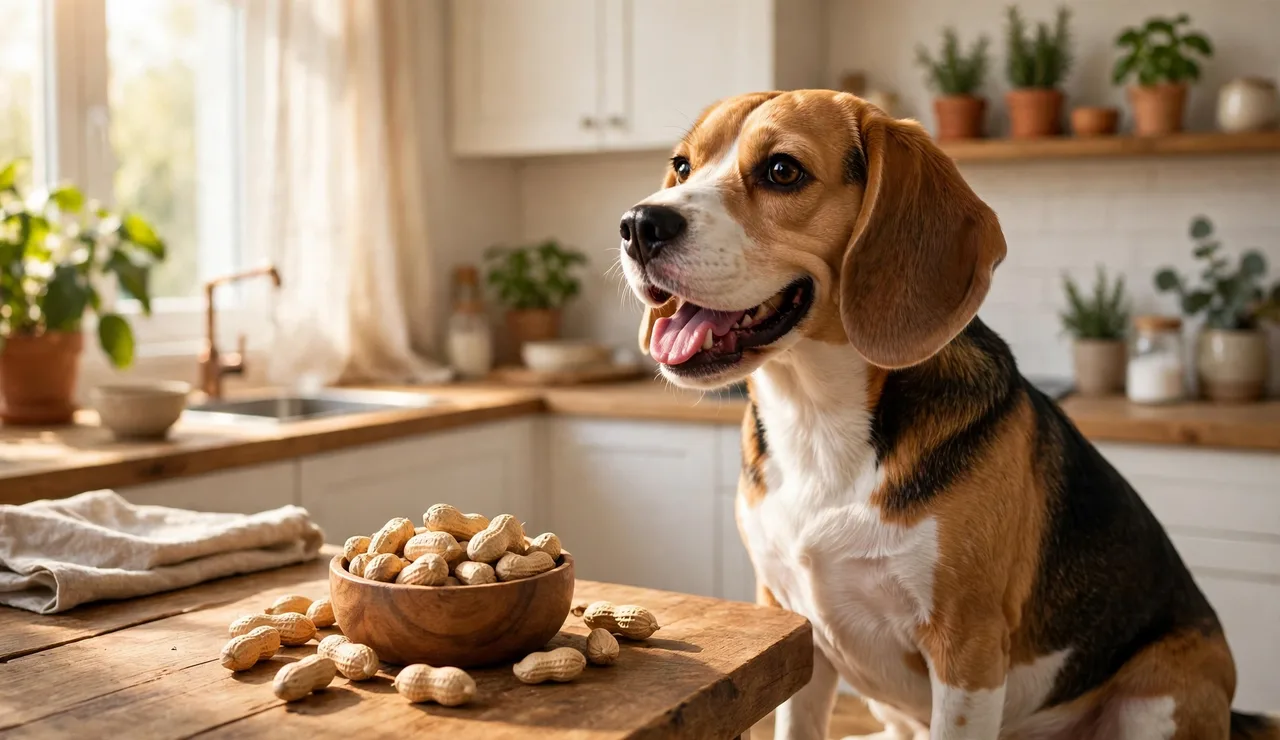
Can Dogs Eat Nuts?

Quick Answer: It depends on the nut. Some nuts are safe for dogs in tiny amounts, such as plain peanuts and cashews, but macadamia nuts are toxic and walnuts are risky, so nuts are best treated as an occasional small treat, never a daily snack. Always serve nuts plain, unsalted, and unseasoned, and keep portions very small because nuts are high in fat and calories.
Key Takeaways
- Macadamia nuts are toxic to dogs and must never be fed, even in small amounts.
- Plain peanuts and cashews are safe in tiny amounts, but they are high in fat and calories.
- Walnuts are risky because they can carry mold that produces toxins, and black walnuts are toxic.
- Almonds are not toxic but are hard to digest and can choke small dogs or block the gut.
- Never feed salted, seasoned, coated, or chocolate covered nuts to your dog.
- Nuts are a choking hazard, so always break them into small pieces and supervise your dog.
- If your dog eats macadamia nuts, call your veterinarian right away, even if your dog seems fine.
Can Dogs Eat Nuts?
Dogs can eat some nuts, but nuts are one of the trickiest treats to get right. A few plain peanuts are fine for most dogs, while a single macadamia nut can make a dog seriously ill. The difference between safe and dangerous depends on the type of nut, how it was prepared, and how much your dog eats. Treat nuts as a rare, tiny treat, and learn which kinds are safe before offering any.
Plain, unsalted peanuts are the most dog friendly nut, and plain cashews are also safe in small amounts. Peanuts are a useful starting point if you want to offer your dog a nut treat, since they are easy to serve plain. Almonds, pistachios, hazelnuts, and pecans are not toxic in the same way, but they are high in fat, hard to digest, and easy to choke on, so most veterinarians recommend skipping them.
Macadamia nuts are the clear danger. They are toxic to dogs and can cause weakness, vomiting, tremors, and fever, even in small amounts. Walnuts carry a different risk, since they can grow mold that produces toxins, and black walnuts are toxic. When in doubt about a nut, leave it out of your dog’s bowl entirely.
Nutritional Profile of Nuts
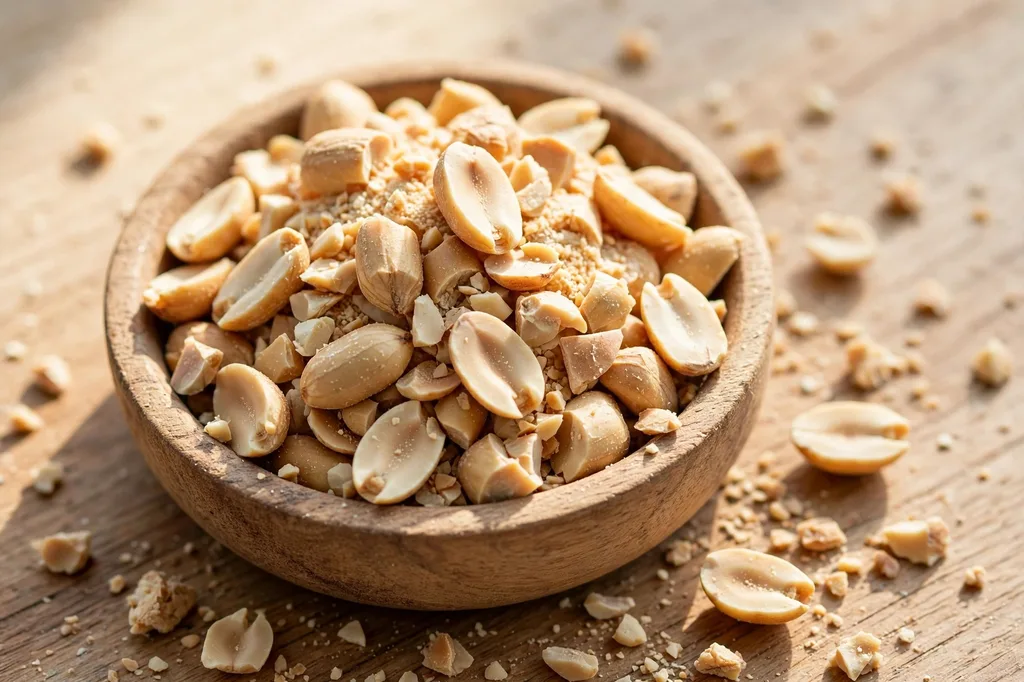
Nuts are energy dense foods, rich in healthy fats, protein, and minerals. The table below shows the nutrients in 100 grams of plain peanuts, the most common dog safe nut.
| Nutrient per 100g | Amount | Benefit for Dogs |
|---|---|---|
| Calories | 567 kcal | Very high in calories, so portions must stay tiny. |
| Protein | 25.8 g | Supports muscle growth and repair. |
| Fat | 49.2 g | Provides energy but risks weight gain. |
| Vitamin E | 8.3 mg | Supports healthy skin, coat, and immune function. |
| Niacin | 12.1 mg | Supports energy metabolism. |
| Magnesium | 168 mg | Supports healthy muscles, nerves, and bones. |
| Dietary fiber | 8.5 g | Supports digestion and regular bowel movements. |
| Phosphorus | 376 mg | Supports strong bones and teeth. |
Calories in Nuts
Nuts are among the most calorie dense treats you can give a dog. Just 100 grams of peanuts contains about 567 calories, and a single peanut holds roughly 6 calories. That may sound small, but a small dog may need only 200 to 300 calories in an entire day, so a handful of nuts can use up the whole treat allowance. Treats should make up no more than 10 percent of daily calories, so offer no more than two or three peanut halves at a time, and only on some days. For a lighter reward, a piece of plain air popped popcorn is a lower calorie option.
Benefits of Feeding Nuts to Dogs
Nuts offer a few real benefits when the type is safe and the portion is tiny, as a rare treat rather than a regular food.
1. A Good Source of Protein
Peanuts and cashews are rich in plant protein, which supports muscle growth and repair, and adds to the nutritional value of the treat.
2. Healthy Fats for Skin and Coat
Nuts contain monounsaturated fats that can support healthy skin and a shiny coat, in small amounts.
3. Vitamin E for Immune Support
Peanuts and almonds are good sources of vitamin E, an antioxidant that supports the immune system and healthy skin.
4. Minerals That Support Muscles and Bones
Nuts supply magnesium, phosphorus, and potassium, minerals that support healthy muscles, nerves, and bones.
5. Fiber That Helps Digestion
Peanuts contain about 8.5 grams of fiber per 100 grams, which supports healthy digestion.
6. A High Value Training Reward
A tiny piece of plain peanut is a high value reward that many dogs love, which makes it useful for training. Because nuts are so calorie dense, they work best as a rare reward, not an everyday biscuit.
Risks and Disadvantages
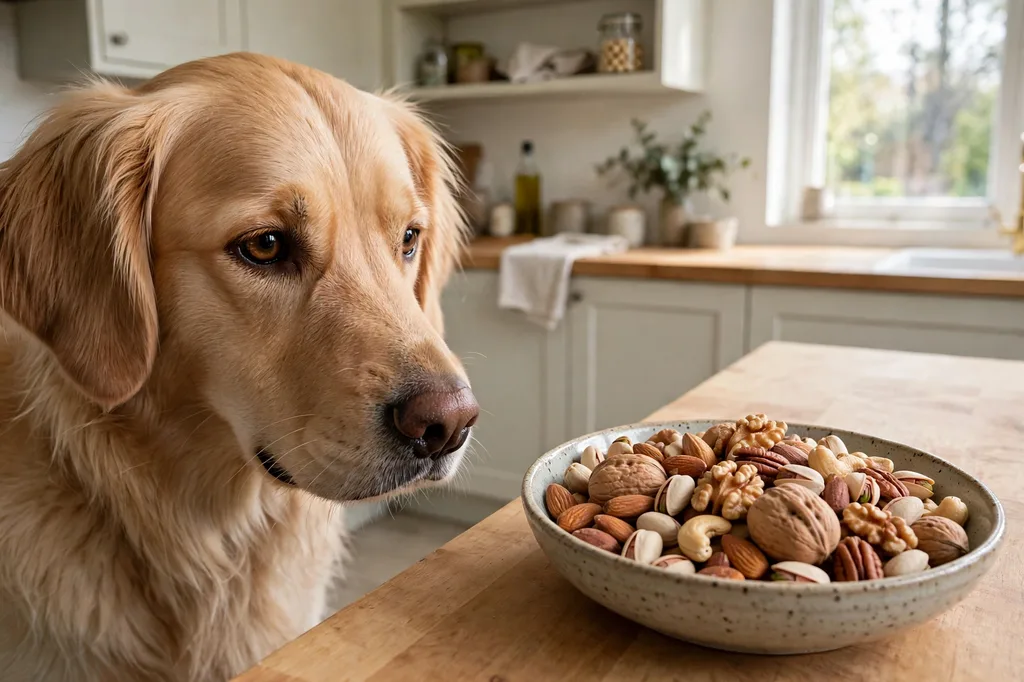
Nuts carry more risks than most dog treats, and the risks vary by type.
1. Macadamia Nuts Are Toxic
Macadamia nuts are toxic to dogs, and even a few nuts can cause weakness, vomiting, tremors, and fever. Symptoms usually appear within 12 hours and can last up to 48 hours. The toxic compound is still unknown, and there is no safe amount. If your dog eats macadamia nuts, call your veterinarian right away.
2. Walnuts Can Carry Mold Toxins
English walnuts are not acutely toxic, but they can grow mold that produces toxins, which can cause tremors and seizures. Black walnuts are toxic to dogs. Never let your dog eat walnuts off the ground.
3. High Fat and Pancreatitis Risk
Nuts are very high in fat, and a fatty treat can trigger pancreatitis, a painful inflammation of the pancreas. Dogs that have had pancreatitis before should avoid nuts entirely. Signs include vomiting, abdominal pain, and loss of appetite.
4. Choking and Intestinal Blockage
Whole nuts are hard and round, which makes them a choking hazard, especially for small dogs. A swallowed nut can also block the intestines. Always break nuts into small pieces and supervise your dog.
5. Salt, Seasoning, and Coatings
Most nuts sold for people are salted, roasted in oil, honey coated, or seasoned with garlic, onion, or chili powder. Salt adds sodium your dog does not need, and onion and garlic are toxic. Offer only plain, raw or dry roasted, unsalted nuts.
6. Allergies and Stomach Upset
Some dogs are allergic or sensitive to nuts, including peanuts. A first serving may cause itching, a swollen face, vomiting, or diarrhea. Start with a tiny piece and watch your dog for several hours before offering more.
Can Dogs Eat Macadamia Nuts?
No, dogs must never eat macadamia nuts. As few as 2.4 grams per kilogram of body weight can cause symptoms, so a 10 kilogram dog could become ill from about six nuts. Symptoms include weakness in the back legs, vomiting, tremors, and fever, usually within 12 hours. Keep macadamia nuts, cookies, and trail mix well out of reach, and call your veterinarian at once if your dog eats any.
Can Dogs Eat Walnuts?
Walnuts are best avoided. English walnuts are not classed as acutely toxic, but they are high in fat, hard to digest, and prone to mold that can produce toxins. Black walnuts are toxic to dogs and should never be fed. With safer options such as plain peanuts available, there is no good reason to offer walnuts.
Can Dogs Eat Peanuts?
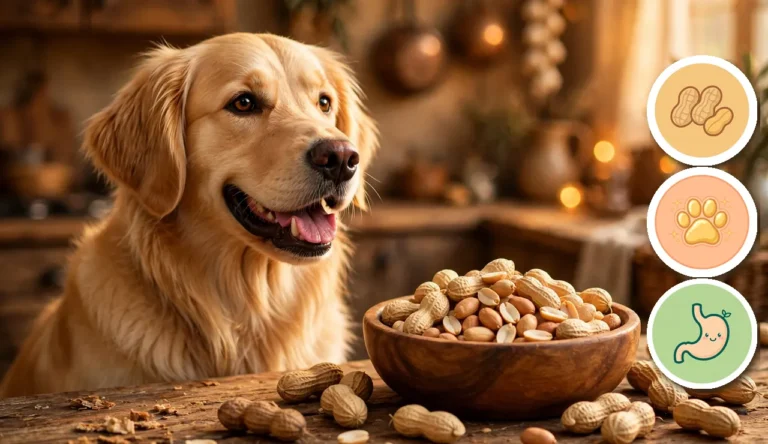
Yes, plain peanuts are the safest nut for dogs, in tiny amounts. Raw or dry roasted, unsalted, shelled peanuts are fine for most healthy dogs. Avoid salted, honey roasted, or flavored peanuts, and never give peanut shells, which can cause a blockage. Peanut butter is safe when it contains only peanuts, but check the label, since some brands use xylitol, which is highly toxic to dogs.
How Many Nuts Can a Dog Eat?
Nuts are a rare treat, not a daily snack. Offer two or three peanut halves for a small dog and up to a small palmful of pieces for a large dog, no more than once or twice a week. Other nuts should be rarer still, and macadamia nuts never. Always break nuts into small pieces.
| Dog Size | Weight | Plain Peanuts or Cashews per Serving |
|---|---|---|
| Extra small | Under 10 lbs | 1 peanut half |
| Small | 10 to 25 lbs | 2 to 3 peanut halves |
| Medium | 25 to 50 lbs | 3 to 4 peanuts, broken in pieces |
| Large | 50 to 90 lbs | 5 to 6 peanuts, broken in pieces |
| Giant | Over 90 lbs | Up to 8 peanuts, broken in pieces |
Can Puppies Eat Nuts?
Puppies should not eat nuts. Their digestive systems are sensitive, and whole nuts are a serious choking hazard for a small puppy. Stick to a complete puppy diet and puppy safe treats, and wait until your dog is an adult before offering even a tiny piece of plain peanut.
How to Safely Feed Nuts to Your Dog
If you offer nuts at all, preparation matters. Choose plain, shelled, unsalted peanuts or cashews, and check the label for added salt, oil, sugar, or xylitol. Break each nut into small pieces, offer only a few, and watch your dog while eating. Store all nuts, especially macadamia nuts, in sealed containers your dog cannot reach.
Ways to Serve
- Plain and broken: Offer a few shelled, unsalted peanut halves broken into small pieces.
- Mixed into meals: Stir a couple of peanut pieces into kibble for extra flavor.
- As a training reward: Use one tiny peanut piece as a high value reward for a hard task.
- In a puzzle toy: Hide a few peanut pieces in a puzzle feeder for enrichment.
- As plain peanut butter: Spread a thin smear of xylitol free peanut butter on a lick mat.
Nuts vs. Other Treats for Dogs
Nuts are one of the riskiest treat choices because safety varies so much by type. Seeds such as pumpkin seeds are a simpler, safer crunchy treat for most dogs. The table below compares common nuts.
| Nut | Safe for Dogs | Main Concern | Serving Guidance |
|---|---|---|---|
| Peanuts | Yes, plain only | High fat and calories | A few halves, once or twice a week |
| Cashews | Yes, plain only | High fat and calories | One or two small pieces, rarely |
| Almonds | Risky | Hard to digest, choking hazard | Best avoided |
| Walnuts | Risky | Mold toxins, black walnut toxicity | Best avoided |
| Macadamia | No | Toxic, causes weakness and tremors | Never feed |
| Pistachios | Risky | High fat, usually salted, choking risk | Best avoided |
Frequently Asked Questions
What nuts are toxic to dogs?
Macadamia nuts are toxic to dogs and must never be fed. Black walnuts are also toxic. Other nuts are not classed as toxic, but many are risky because of fat, mold, or choking hazards.
Can dogs eat peanut butter?
Yes, dogs can eat peanut butter if it contains only peanuts and has no xylitol, which is highly toxic to dogs. Choose unsweetened, unsalted peanut butter and offer only a thin smear.
How many macadamia nuts are dangerous for a dog?
As few as six macadamia nuts can make a 10 kilogram dog ill, and smaller dogs need even fewer. Symptoms include weakness, vomiting, tremors, and fever. Call your veterinarian at once.
Can dogs eat salted nuts?
No, salted nuts are not safe for dogs. The extra salt adds sodium your dog does not need and can cause thirst, vomiting, and diarrhea. Always choose plain, unsalted nuts, and only the safe kinds in tiny amounts.
Are cashews safe for dogs?
Yes, plain cashews are safe for dogs in tiny amounts. They must be unsalted and unseasoned, since they are high in fat. Offer one or two pieces at most, and only rarely.
Can dogs eat almonds?
Almonds are not toxic, but they are not recommended. They are hard to digest, high in fat, and a choking hazard, especially for small dogs.
What should I do if my dog eats a macadamia nut?
Call your veterinarian right away, even if your dog seems fine. Describe how many nuts your dog ate and your dog’s weight.