

Can Dogs Eat Melon?

Quick Answer: Yes, dogs can eat melon in small amounts, as long as you serve only the flesh and remove all seeds and the rind first. Offer a few small cubes at a time and keep treats under 10 percent of daily calories.
Key Takeaways
- Melon flesh is safe for most dogs in small amounts, served fresh and plain.
- Always remove the seeds and the rind, since both can cause stomach upset or a blockage.
- Melon is hydrating and low in calories, with vitamin A, vitamin C, and potassium.
- Melon is naturally sweet, so dogs with diabetes should only eat it if a vet approves the portion.
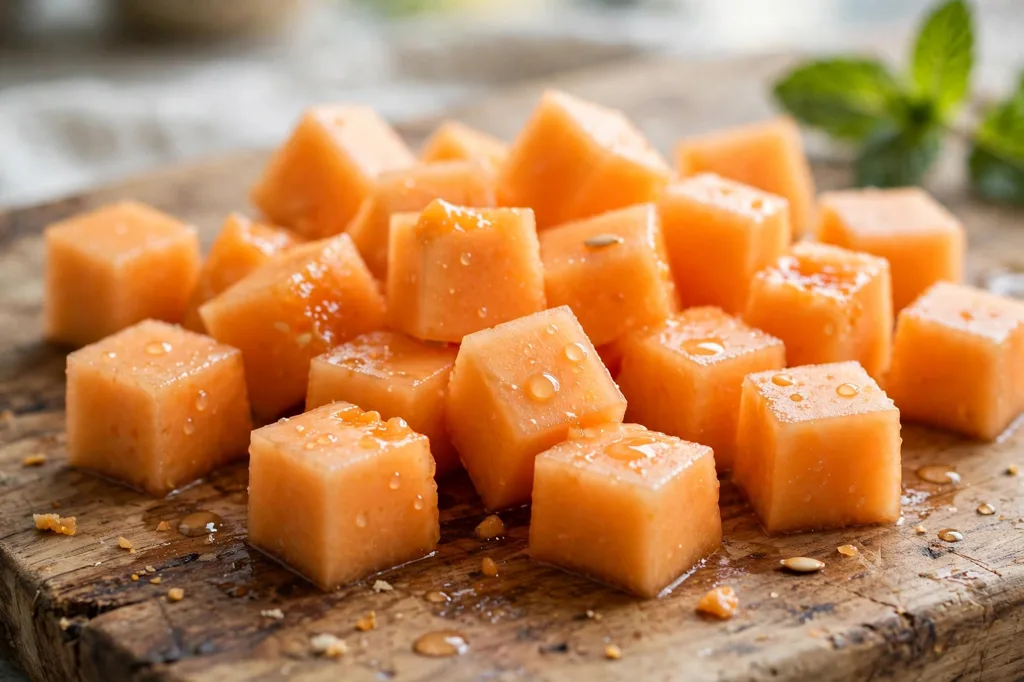
- Cut melon into small cubes so your dog can chew it safely and easily.
- Start with a few cubes and watch for soft stools before offering melon again.
- Serve melon fresh and plain, never candied, pickled, or covered in sugar or syrup.
Can Dogs Eat Melon?
Melon is one of the most refreshing fruits you can share with your dog on a warm day. When the seeds and rind are removed, the flesh itself is a safe, gentle treat that suits puppies, adults, and seniors alike. Many dogs love the sweet smell and juicy texture, and a few cubes make a healthy change from packaged treats.
The parts to avoid are the rind and the seeds. The rind is thick, fibrous, and hard to digest, and a dog that swallows a large piece can develop stomach pain, vomiting, or even an intestinal blockage. Seeds can also upset the stomach and may cause a blockage in small dogs if swallowed in large numbers. Scoop the flesh away from the rind, pick out the seeds, and cut the flesh into cubes that suit your dog’s size. Like watermelon for dogs, melon should always be served seedless and rind-free.
Melon is a treat, not a meal, and the sugar content is the reason to keep portions small. Offer melon a few times a week at most, and balance it with your dog’s normal diet. If your dog has diabetes, kidney disease, or a sensitive stomach, ask your vet before adding melon to the menu.
Nutritional Profile of Melon
| Nutrient (per 100g) | Amount | Potential Benefit for Dogs |
|---|---|---|
| Calories | 34 kcal | Low in calories, so a few cubes add little energy |
| Water | 90 g | Helps keep your dog hydrated in warm weather |
| Vitamin A | 169 mcg | Supports vision, skin, and immune health |
| Vitamin C | 36.7 mg | Antioxidant that supports the immune system |
| Potassium | 267 mg | Supports muscles, nerves, and fluid balance |
| Fiber | 0.9 g | A small amount that can support digestion |
| Folate | 21 mcg | Supports cell growth and healthy blood |
| Vitamin B6 | 0.07 mg | Supports metabolism and red blood cell health |
Calories in Melon
Melon is a low-calorie fruit, with about 34 calories per 100 grams of flesh. That makes melon a smart swap for calorie-dense treats such as biscuits or cheese, especially in summer when dogs need extra hydration. Just remember that treats, even healthy ones, should stay under 10 percent of your dog’s daily calories, and the natural sugar in melon is the reason not to overdo it.
Benefits of Feeding Melon to Dogs
1. Hydrating and Refreshing
Melon flesh is about 90 percent water, which helps keep your dog hydrated on hot days. A few cool cubes can be a welcome snack after a walk or play session, and the water content also makes melon gentle on the stomach. Melon is not a replacement for fresh drinking water, but it is a tasty way to add a little extra fluid.
2. Rich in Vitamin A for Eyes and Skin
Melon is a good source of vitamin A, which supports healthy vision, skin, and the immune system. The orange flesh of cantaloupe is rich in beta-carotene, which the body turns into vitamin A. A few cubes give your dog a useful share of this vitamin without adding fat or many calories.
3. Vitamin C for Immune Support
Melon provides vitamin C, an antioxidant that supports the immune system and helps protect cells from everyday damage. Dogs make some vitamin C themselves, but extra from food can still help, especially for older dogs. Melon is an easy and tasty way to add this vitamin in a natural form.
4. Low in Calories, Good for Weight Control
At only 34 calories per 100 grams, melon is a low-calorie treat that suits dogs watching their weight. It fills your dog up with water and fiber rather than fat, so it can replace higher-calorie treats without leaving your dog feeling short-changed. For a similar low-calorie crunch, cucumbers for dogs are another cool, hydrating option.
5. Potassium for Muscles and Nerves
With about 267 mg of potassium per 100 grams, melon supports normal muscle function, nerve signals, and fluid balance. Potassium works with sodium to keep your dog’s body hydrated and the heart beating steadily. Most complete dog foods already supply enough potassium, but melon adds a little extra in a natural form.
6. Gentle Fiber for Digestion
Melon contains a small amount of fiber, which supports healthy digestion and regular bowel movements. The fiber is gentle, so it rarely causes gas the way beans or cabbage can. Dogs with sensitive stomachs often tolerate melon flesh well, and a few cubes can add a little variety to a bland diet.
Risks of Feeding Melon to Dogs

1. Rind Can Cause a Blockage
The rind is the biggest danger with melon. It is tough, fibrous, and hard to digest, and a dog that swallows a piece can develop vomiting, stomach pain, or an intestinal blockage that needs veterinary care. Always cut the flesh away from the rind and throw the rind away where your dog cannot reach it.
2. Seeds Can Upset the Stomach
Melon seeds are not highly toxic, but they can cause stomach upset, and a large number of swallowed seeds may contribute to a blockage, especially in small dogs. If your dog eats a few seeds by accident, watch for vomiting or a loss of appetite and call your vet if you are worried.
3. Too Much Sugar
Melon is naturally sweet, and a large portion adds a lot of sugar at once. Too much sugar can cause stomach upset, contribute to weight gain, and make blood sugar harder to control in diabetic dogs. Keep servings to a few cubes and offer melon only a few times a week.
4. Upset Stomach From Too Much at Once
Melon is safe, but a large amount at once can cause gas, soft stools, or diarrhea, especially if your dog is not used to fruit. Introduce it slowly, starting with two or three small cubes, and watch your dog’s stools for a day. If the stools stay loose, cut back or pause and try again with a smaller amount.
5. Allergies Are Rare but Possible
True melon allergy in dogs is uncommon, but any new food can trigger a reaction in a sensitive dog. Watch for itching, ear redness, or stomach upset after the first serving. If you notice these signs, stop feeding melon and talk to your vet.
Can Dogs Eat Cantaloupe?
Yes, dogs can eat cantaloupe, and it is the most common melon offered to dogs. Serve only the orange flesh, with the seeds and the thick rind completely removed, and cut the flesh into small cubes. Cantaloupe is rich in vitamin A and vitamin C, which is why it is such a popular choice. The same rules apply to honeydew and other melons.
Can Dogs Eat Honeydew Melon?
Yes, dogs can eat honeydew melon in small amounts. Honeydew is sweeter than cantaloupe and a little higher in sugar, so keep portions even smaller. Remove the seeds and rind, cut the pale green flesh into cubes, and offer only a few at a time. Honeydew is a good source of vitamin C and potassium, but it is a treat, not an everyday food.
Can Dogs Eat Melon Rind?
No, dogs should not eat melon rind. The rind is thick and fibrous, and it can cause stomach pain, vomiting, diarrhea, or a dangerous intestinal blockage. If your dog eats rind, watch closely for vomiting or straining and contact your vet if symptoms appear.
How Much Melon Can a Dog Eat?
Treats should stay under 10 percent of your dog’s daily calories. The amounts below are daily maximums for plain melon flesh, with seeds and rind removed, not a target to reach every day.
| Dog Size | Weight | Safe Treat Amount |
|---|---|---|
| Extra small | Under 10 lbs | 2-3 small cubes |
| Small | 10-25 lbs | 3-4 cubes, about 1/4 cup |
| Medium | 25-60 lbs | 1/2 cup cubed |
| Large | 60-90 lbs | 3/4 cup cubed |
| Giant | Over 90 lbs | 1 cup cubed |
Can Puppies Eat Melon?
Yes, puppies can eat melon in small amounts once they are weaned and eating solid food, usually from around 8 weeks old. Puppies have small stomachs and sensitive digestion, so keep the portion tiny. Their main food should still be a complete puppy diet, with melon only as an occasional treat.
How to Safely Feed Melon to Your Dog
Keep it fresh, plain, and seedless. Melon needs nothing added to be appealing to most dogs, and plain preparation keeps it safe.
Ways to Serve Melon to Dogs
- Fresh cubes: Cut seedless flesh into bite-size cubes and offer them by hand or in a bowl.
- Frozen melon bites: Freeze cubes for a cool, refreshing snack on hot days.
- Melon topper: Mix a few cubes into your dog’s kibble for extra flavor and hydration.
- Mashed melon: Mash a little flesh and stir it through plain food for picky eaters or older dogs.
- Melon and berry mix: Combine melon cubes with a few blueberries for dogs for a colorful fruit treat in small amounts.
Melon vs. Other Fruits for Dogs
| Fruit | Calories per 100g | Best For |
|---|---|---|
| Melon | 34 kcal | Hydration and a low-calorie sweet treat |
| Watermelon | 30 kcal | Hydration on hot days |
| Blueberries | 57 kcal | Antioxidants in a small package |
| Banana | 89 kcal | Quick energy and potassium |
| Mango | 60 kcal | Vitamin A and a sweet reward |
Frequently Asked Questions
Is melon safe for dogs to eat every day?
Yes, plain melon flesh is safe to offer daily in small amounts, as long as treats stay under 10 percent of daily calories. A few cubes a day is fine for most dogs. Variety is still better than the same treat every day, so rotate melon with other safe fruits and vegetables.
Can dogs eat melon seeds?
No, it is better not to feed melon seeds to dogs. Seeds can cause stomach upset and may contribute to a blockage if a dog swallows many of them. Always scoop out the seeds before serving, and choose seedless melon when you can.
Can dogs with diabetes eat melon?
Dogs with diabetes can eat a very small amount of melon only if their vet approves it. Melon contains natural sugar that can raise blood sugar, so the portion must be tiny and counted carefully. Ask your vet before offering melon to a diabetic dog.
What should I do if my dog eats melon rind?
Watch your dog closely for vomiting, stomach pain, loss of appetite, or straining to pass stools over the next day or two. A small piece may pass without trouble, but a large piece can cause a blockage. Call your vet promptly if any symptoms appear.
Can dogs eat dried melon?
No, dried melon is not a good choice for dogs. Drying concentrates the sugar, so a small piece contains far more sugar than the same amount of fresh melon, and dried fruit often contains added sugar or preservatives. Fresh melon flesh is the safe option.
Can dogs eat melon skin?
No, melon skin is the same as the rind, and dogs should not eat it. The skin is tough and fibrous, and it can cause stomach upset or a blockage. Always peel melon and serve only the soft flesh inside.