Can Dogs Eat Raw Carrots?

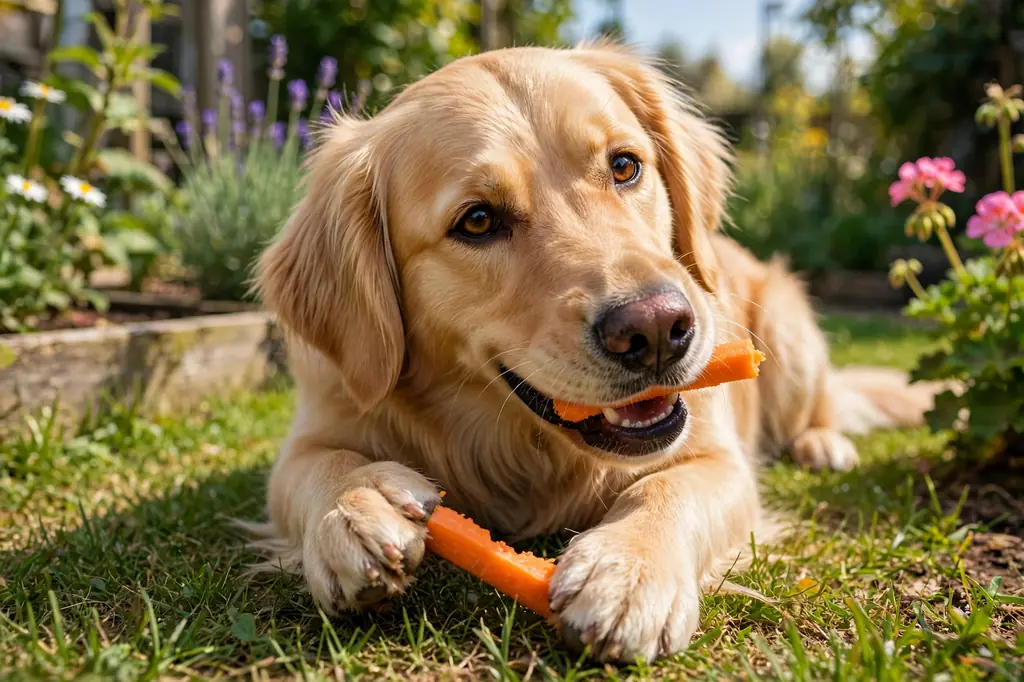
Quick Answer: Yes, dogs can eat raw carrots, and they are one of the healthiest treats you can offer. Raw carrots are safe, low in calories, rich in vitamin A and fiber, and their crunch helps clean teeth and massage gums. The only real risk is choking, so cut carrots into safe pieces for your dog’s size, and supervise the first few times. Most dogs love the sweet taste and the satisfying crunch, and raw carrots make a great everyday snack.
Key Takeaways
- Raw carrots are safe for most dogs and are a healthy low calorie treat.
- The crunch of raw carrots helps clean teeth and supports gum health.
- Cut carrots to a safe size to prevent choking, especially for small dogs and puppies.
- Carrots are rich in vitamin A, fiber, and potassium for overall health.
- Frozen carrots make a soothing chew for teething puppies.
- Keep carrots within the 10 percent treat rule and wash them before serving.
Can Dogs Eat Raw Carrots?
Yes, raw carrots are safe for dogs, and they are one of the few treats that vets regularly recommend. A raw carrot is naturally sweet, crunchy, and full of nutrients, and it gives your dog something satisfying to chew without adding many calories. Unlike many shop-bought treats, carrots have no added sugar, salt, or artificial ingredients, so you always know exactly what your dog is eating.
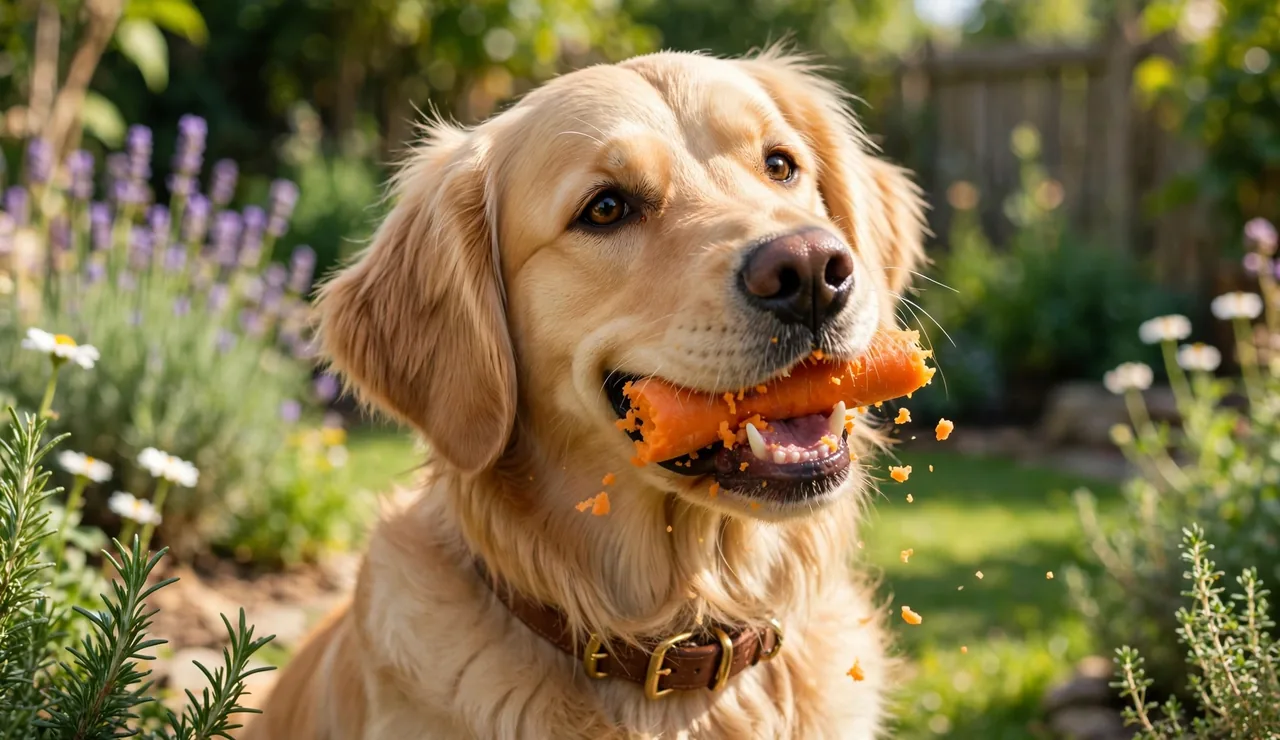
The crunch is more than just fun. Chewing a raw carrot helps scrape plaque from the surface of the teeth and massages the gums, which supports dental health between brushings. Many owners use carrots as a daily dental chew, especially for dogs that enjoy chewing. Crunchy vegetables like celery offer a similar dental benefit, but carrots are sweeter and most dogs prefer them.
Raw carrots are also very easy to serve. Wash them, peel them if you like, and cut them into sticks or coins that suit your dog’s size. Whole baby carrots are fine for large dogs, but small dogs and puppies should get thinner sticks or grated carrot. Always watch your dog while they eat a hard chew, and take away any piece that becomes small enough to swallow whole.
Nutritional Profile of Raw Carrots
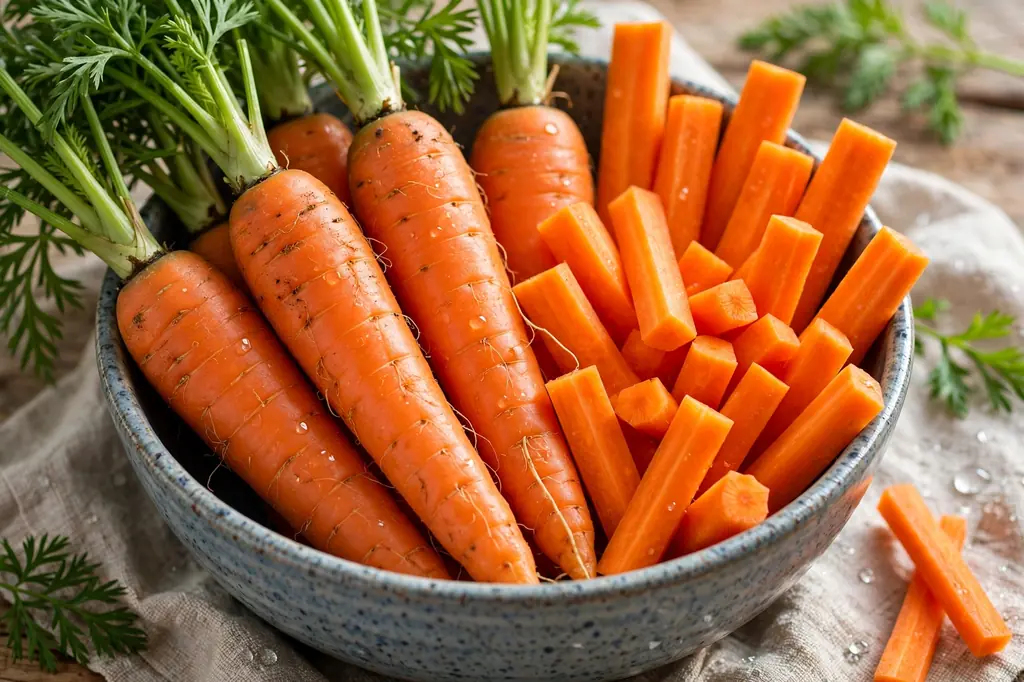
The values below are for raw carrots per 100 grams. They are low in calories and fat, yet they pack a good amount of vitamin A, fiber, and potassium.
| Nutrient per 100g | Amount | Benefit for Dogs |
|---|---|---|
| Vitamin A | 835 mcg | Supports vision, skin health, and immune function |
| Fiber | 2.8 g | Supports digestion and healthy stools |
| Vitamin C | 5.9 mg | Supports the immune system and tissue health |
| Potassium | 320 mg | Supports muscle function and healthy blood pressure |
| Vitamin K | 13.2 mcg | Supports blood clotting and bone health |
| Folate | 19 mcg | Supports cell growth and red blood cell health |
| Calcium | 33 mg | Supports strong bones and teeth |
Calories in Raw Carrots
Raw carrots are very low in calories, with about 41 calories per 100 grams, which makes them one of the best treats for dogs that need to lose weight or stay lean. A medium carrot has only about 25 calories, so you can offer one or two a day without worrying about the calorie count. The natural sweetness comes from sugars in the carrot itself, but the amount is small and the fiber slows digestion. For dogs on a weight plan, carrots are a far better choice than biscuits or fatty treats.
Benefits of Feeding Raw Carrots to Dogs
1. Supports Dental Health
Chewing raw carrots helps scrape away plaque and food from the teeth, which supports cleaner teeth and fresher breath. The chewing action also massages the gums and encourages saliva, which washes the mouth naturally.
2. Great for Weight Control
Carrots are low in calories and high in fiber and water, so they fill a dog up without adding weight. Many vets suggest swapping high calorie treats for carrot sticks when a dog needs to slim down.
3. Supports Vision Health
Carrots are famous for vitamin A and beta-carotene, which support healthy eyesight and night vision. Dogs that get enough vitamin A in their diet tend to have healthier eyes and skin. A daily carrot is an easy way to add this nutrient naturally.
4. Boosts the Immune System
Vitamin C and other antioxidants in carrots help support the immune system and protect cells from damage. A strong immune system helps your dog stay healthy and recover quickly from minor illnesses. Carrots are a simple whole food way to add these nutrients.
5. Supports Healthy Digestion
The fiber in carrots helps keep digestion regular and supports healthy stools. Fiber feeds the good bacteria in the gut and helps food move smoothly through the digestive tract. Dogs that eat carrots regularly often have firmer, more regular stools.
6. Soothes Teething Puppies
Frozen carrot sticks are a classic trick for teething puppies, since the cold numbs sore gums and the crunch gives them something safe to chew. Always supervise a puppy with a frozen carrot and choose a size that cannot be swallowed whole. This simple trick can save your furniture and your puppy’s comfort.
Risks and Disadvantages of Raw Carrots for Dogs
1. Choking Risk
Hard pieces of raw carrot can be a choking hazard, especially for small dogs, puppies, and dogs that gulp their food. Cut carrots into thin sticks or small coins, and supervise your dog while they chew. If your dog tends to swallow food without chewing, grate the carrot instead.
2. Too Many Carrots Cause Stomach Upset
Carrots are healthy, but too many at once can cause gas, bloating, or loose stools because of the fiber and natural sugars. Introduce carrots slowly and keep the amount within the 10 percent treat rule. A couple of carrots a day is plenty for most dogs.
3. Vitamin A Overload Is Rare but Possible
Carrots are very rich in vitamin A, and eating huge amounts every day over a long time could in theory lead to too much vitamin A. In practice this is very unlikely with normal treat portions. Stick to sensible amounts and your dog will be fine.
4. Pesticides on Unwashed Carrots
Carrots grow in the ground, so they can carry soil and pesticide residue if they are not washed. Always wash carrots well under running water, and peel them if you are unsure. Organic carrots are a good choice if you want to reduce pesticide exposure.
5. Not Suitable for Dogs With Certain Conditions
Dogs with diabetes should eat carrots in moderation because of their natural sugars, and dogs with kidney issues may need to limit potassium-rich foods. If your dog has a health condition, ask your vet how many carrots are safe before making them a daily treat.
Can Dogs Eat Raw Carrot Tops?
Carrot tops, the green leaves, are safe for dogs in small amounts, but most dogs find them bitter and uninteresting. The leaves are not toxic, and they contain some vitamins, but they are not a food worth pushing. If your dog nibbles a few leaves, there is no need to worry. Wash them well first, since they can carry soil and spray residue.
Are Raw Carrots Better Than Cooked Carrots?
Raw carrots are better for dental health because the crunch cleans teeth, while cooked carrots are softer and easier to digest. Cooking also makes the beta-carotene in carrots easier for the body to absorb. Both forms are safe and healthy, so you can offer raw carrots most days and cooked carrots when your dog needs something gentler. Broccoli for dogs follows the same pattern, with raw being crunchier and cooked being easier on the stomach.
Can Dogs Eat Baby Carrots?
Yes, dogs can eat baby carrots, and they are a convenient ready-made treat. Baby carrots are just small carrots, so they carry the same nutrients and the same safety rules. For small dogs, cut baby carrots in half lengthwise so they cannot be swallowed whole. Wash them well and serve them plain, with no dip or seasoning. Serve them with cucumber slices for a crunchy snack.
How Much Raw Carrots Can a Dog Eat?
Carrots are a treat, so keep them within 10 percent of your dog’s daily calories. The amounts below are a guide for raw carrots, and you can offer a little less if your dog also gets other treats during the day.
| Dog Size | Weight | Suggested Amount |
|---|---|---|
| Extra small | Under 5 kg | 1 to 2 baby carrots |
| Small | 5 to 10 kg | 1 medium carrot |
| Medium | 11 to 25 kg | 1 to 2 medium carrots |
| Large | 26 to 45 kg | 2 to 3 medium carrots |
| Giant | Over 45 kg | 3 to 4 medium carrots |
Can Puppies Eat Raw Carrots?
Yes, puppies can eat raw carrots once they are weaned and eating solid food, usually from about eight weeks of age. Carrots are a great first treat for puppies because they are gentle, nutritious, and fun to chew. Cut them into thin sticks or grate them for very young puppies, and always supervise. Frozen carrot sticks are especially good for teething puppies, since the cold soothes sore gums. Start with a small piece and watch for any stomach upset.
How to Safely Feed Raw Carrots to Your Dog
Serving raw carrots is simple. Wash them well, cut them to a safe size for your dog, and offer them plain with no seasoning, dip, or dressing. You can use them as training treats, dental chews, or a crunchy addition to meals.
Ways to Serve Raw Carrots
- Cut carrots into sticks or coins that suit your dog’s size and chewing style.
- Offer a whole baby carrot as a quick low calorie training reward.
- Freeze carrot sticks for a cool chew that soothes teething puppies.
- Grate raw carrot over kibble to add fiber, moisture, and flavor.
- Mix carrot sticks with cucumber slices for a crunchy veggie snack bowl.
Raw Carrots vs Other Vegetables
Carrots are one of the safest and most useful vegetables for dogs, and they compare well with other crunchy choices. Here is how they stack up against a few common vegetables.
| Food | Safe for Dogs? | Notes |
|---|---|---|
| Raw carrots | Yes | Crunchy, great for teeth, low calorie |
| Celery | Yes | Crunchy, very low calorie, good for breath |
| Cucumbers | Yes | Hydrating, very low calorie, gentle |
| Broccoli | Yes, in moderation | Nutritious but can cause gas in large amounts |
Frequently Asked Questions
Can dogs eat raw carrots every day?
Yes, most dogs can eat raw carrots every day in sensible amounts. One or two medium carrots a day is a healthy habit for a medium or large dog. Keep the total within 10 percent of daily calories and watch for gas or loose stools.
Do raw carrots clean dogs’ teeth?
Yes, chewing raw carrots helps scrape plaque from teeth and massage the gums, which supports dental health. They are a useful daily habit, but they do not replace brushing or vet dental checks.
Can raw carrots cause diarrhea in dogs?
Raw carrots can cause loose stools if a dog eats too many at once, since the fiber and natural sugars can upset a sensitive stomach. Introduce them slowly and keep portions small to avoid this problem.
Are carrots good for dogs with diabetes?
Carrots can be given to diabetic dogs in small amounts, but their natural sugars mean portions should be limited. Ask your vet for a safe daily amount for your dog before making carrots a regular treat.
Can dogs eat carrot peel?
Yes, dogs can eat carrot peel as long as the carrot is washed well. Peeling is optional, and many owners peel carrots to remove soil and residue. The peel itself is safe and contains fiber.
What age can puppies eat raw carrots?
Puppies can eat raw carrots from about eight weeks of age, once they are eating solid food. Cut carrots into thin sticks or grate them, supervise your puppy, and try frozen sticks for teething relief.