
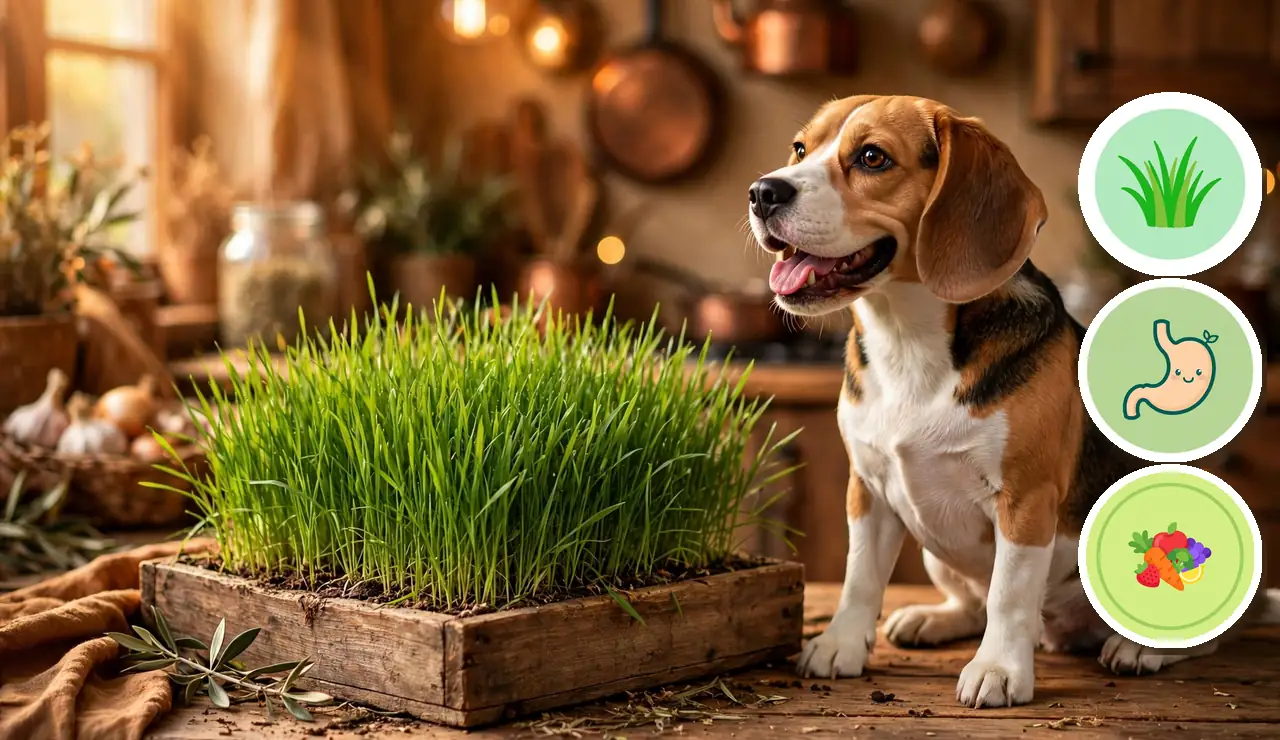
Can Dogs Eat Grass?

Quick Answer: Yes, eating grass is normal behavior for most dogs, and plain, untreated grass is not toxic. Dogs may graze on grass out of instinct, boredom, or a desire for fiber. However, grass treated with pesticides, herbicides, or fertilizers is dangerous, and sudden excessive grass-eating with vomiting can signal a health problem worth discussing with your vet. Curious about other foods? See if cucumbers is safe for dogs. For more variety in safe snacks, check our guide on whether dogs can eat broccoli. For more variety in safe snacks, check our guide on whether dogs can eat celery.
Key Takeaways
- Eating grass is normal, common dog behavior, most dogs do it and most are fine.
- Plain, untreated grass is not toxic to dogs.
- Dogs may eat grass for fiber, out of boredom, or as an inherited instinct from wild ancestors.
- Grass treated with pesticides, herbicides, or fertilizers can poison your dog, know what is on your lawn.
- Foxtails and grass awns can lodge in ears, noses, paws, and eyes, causing serious injury.
- Sudden, frantic, excessive grass-eating, especially with repeated vomiting, warrants a vet visit.
- Make sure your dog’s diet is complete and balanced before blaming grass-eating on a deficiency.
Can Dogs Eat Grass?
Yes. If your dog grazes on the lawn like a tiny cow, you are witnessing one of the most common, and most puzzling, dog behaviors. Studies suggest the majority of dogs eat grass at some point, and most do so without any subsequent vomiting or illness. Plain grass itself is not toxic to dogs.

Why do they do it? No one knows for certain, but the leading theories include simple instinct (wild canids eat plant matter, including the stomach contents of herbivore prey), a desire for fiber, boredom, or enjoyment of the taste and texture. Contrary to popular belief, most grass-eating dogs do not appear nauseous beforehand, research has found that only a minority of dogs vomit after eating grass, and most do not seem sick before grazing.
That said, grass-eating is not always harmless. The grass itself may be fine, but what is on the grass often is not. Lawn chemicals are the biggest danger, followed by sharp grass seed heads like foxtails. And a sudden change, a dog that never ate grass suddenly eating it frantically and vomiting repeatedly, can be a sign of gastrointestinal distress, intestinal parasites, or other issues that deserve veterinary attention.
Nutritional Profile of Grass
| Component | Present in Grass | Potential Benefit for Dogs |
|---|---|---|
| Fiber (cellulose) | Yes, mostly indigestible | May add roughage; dogs digest it poorly |
| Chlorophyll | Yes | Antioxidant properties; minimal practical effect |
| Water | High | Minor hydration contribution |
| Protein | Trace | Negligible for dogs |
| Vitamins/minerals | Trace | Not a meaningful source for dogs |
Bottom line: grass is not a food for dogs in any nutritional sense. Dogs lack the digestive system to extract meaningful nutrition from it. Any benefit is limited to roughage and behavioral satisfaction.
Calories in Grass
Grass contains essentially zero usable calories for dogs. Dogs cannot digest cellulose efficiently, so grass passes through largely intact. This is one reason grass sometimes appears in vomit or stool looking much as it did going in. Grass-eating will not contribute to weight gain, or to nutrition.
Benefits of Dogs Eating Grass
1. Completely Natural Behavior
Grass-eating is observed in wild canids including wolves, suggesting it is a deeply ingrained, normal behavior, not a sign that something is “wrong” with your dog.
2. May Provide Fiber
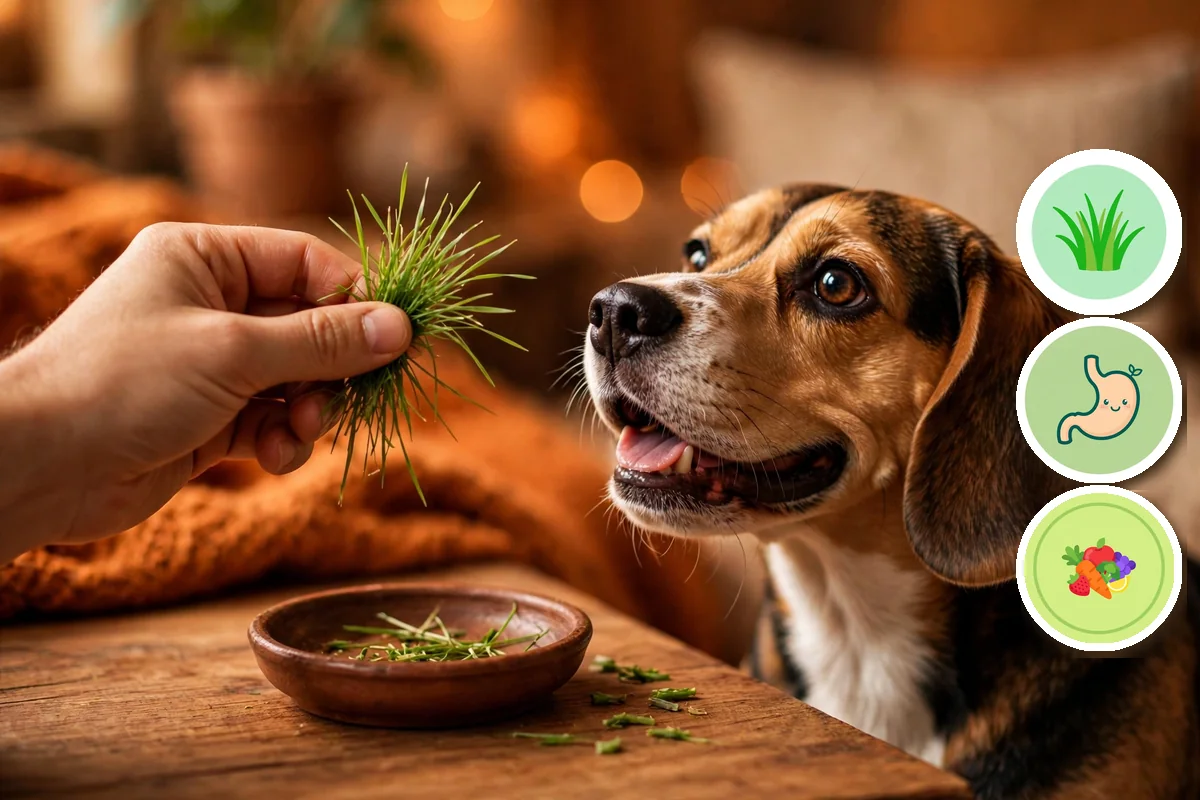
Some experts believe dogs seek out the roughage in grass to aid digestion or help move things through the intestinal tract.
3. May Help with Mild Nausea
Anecdotally, some dogs eat grass and then vomit, which may relieve mild stomach discomfort. However, most grass-eating does not lead to vomiting.
4. Mental Enrichment
Grazing, sniffing, and exploring the yard provides mental stimulation. For bored dogs, grass-eating may simply be something interesting to do.
5. May Aid in Expelling Parasites
One theory suggests wild canids eat rough plant matter to help scour intestinal parasites from the digestive tract, a possible evolutionary leftover.
6. Harmless When the Lawn Is Clean
On an untreated, chemical-free lawn, occasional grass nibbling is a harmless quirk you generally do not need to stop.
Risks of Dogs Eating Grass
1. Pesticides and Herbicides
This is the number one danger. Lawn treatments for weeds and insects contain chemicals that can cause vomiting, diarrhea, drooling, lethargy, or worse. Never let your dog graze on recently treated grass, and know what your lawn care service applies.
2. Fertilizers
Many fertilizers contain nitrogen, phosphorus, potassium, and sometimes iron or pesticides. Ingesting fertilizer-treated grass or granules can cause serious gastrointestinal and systemic toxicity.
3. Foxtails and Grass Awns
Barbed grass seed heads (foxtails) can burrow into ears, noses, paws, eyes, and skin, migrating inward and causing painful abscesses that often require surgical removal. Check your dog after walks in dry, grassy areas.
4. Parasites
Grass in areas frequented by other animals can harbor intestinal parasite eggs (roundworms, hookworms) or Giardia. Regular deworming and prompt stool cleanup reduce this risk.
5. Excessive Eating May Signal Illness
A sudden onset of frantic grass-eating, especially combined with repeated vomiting, diarrhea, lethargy, or appetite loss, can indicate gastrointestinal upset, pancreatitis, intestinal blockage, or other conditions needing veterinary care.
6. Treated Public Spaces
Parks, sports fields, and neighbors’ lawns are frequently treated with chemicals. You cannot assume public grass is safe, supervise grazing and consider it carefully.
Why Does My Dog Eat Grass and Vomit?
Some dogs eat grass and then vomit, leading owners to assume the dog was trying to make itself sick. Research suggests this sequence is less common than believed, most grass-eating episodes do not end in vomiting. When vomiting does follow, the long grass blades may simply tickle the throat and stomach lining, triggering the gag reflex. Occasional vomit-after-grass in an otherwise healthy, happy dog is usually not an emergency, but frequent episodes warrant a vet check.
Why Does My Dog Frantically Eat Grass?
Frantic, urgent grass-eating, gulping large mouthfuls rapidly, is different from casual grazing and more often associated with nausea or stomach discomfort. If your dog suddenly starts eating grass frantically, especially with drooling, lip-licking, repeated swallowing, or vomiting, monitor closely and call your vet if it persists or other symptoms appear.
Should I Stop My Dog from Eating Grass?
For casual grazing on your own untreated lawn, most vets say there is no need to intervene, it is normal behavior. Redirect with a toy or treat if it bothers you. You should prevent grass-eating when the grass may be treated with chemicals, in unfamiliar public areas, or when your dog is eating it obsessively or frantically. If the behavior suddenly increases, look for an underlying cause rather than just suppressing the symptom.
How to Keep Grass-Eating Safe
| Situation | Safe? | What to Do |
|---|---|---|
| Your own untreated lawn | Yes | Casual grazing is fine |
| Recently fertilized lawn | No | Keep dog off until watered in and per product label |
| Lawn with herbicide/pesticide | No | Keep off for the full period stated on the product |
| Public parks and fields | Caution | Supervise; assume treatment unless confirmed otherwise |
| Dry grassy trails (foxtail season) | Caution | Check ears, paws, nose, and eyes after every walk |
Can Puppies Eat Grass?
Yes, puppies often mouth and chew grass out of curiosity, it is part of how they explore the world. The same rules apply: make sure the grass is untreated and supervise them. Puppies are more vulnerable to parasites and chemicals due to their small size, so be extra cautious about where they graze, and keep up with their deworming schedule.
How to Reduce Excessive Grass-Eating
Ways to Address It
- Check the diet: Ensure your dog eats a complete, balanced, high-quality food, discuss fiber content with your vet if grass-eating is constant.
- Add safe fiber: Plain canned pumpkin or steamed green beans can satisfy a fiber craving more safely than lawn grass.
- Beat boredom: Increase exercise, training, and puzzle toys, many chronic grazers are simply under-stimulated.
- Grow safe grass indoors: Wheatgrass or pet grass kits give your dog a clean, chemical-free grazing option.
- Train a “leave it” cue: Useful for steering your dog away from suspicious or treated grass on walks.
Grass vs. Safe Green Alternatives for Dogs
| Option | Safety | Nutritional Value | Verdict |
|---|---|---|---|
| Lawn grass (untreated) | Safe | Negligible | Fine as a behavioral quirk |
| Wheatgrass / pet grass | Safe | Some vitamins | Best controlled option |
| Plain pumpkin | Safe | High fiber | Excellent fiber supplement |
| Green beans | Safe | Fiber, vitamins | Great low-calorie treat |
| Treated lawn grass | Dangerous | , | Prevent access |
Frequently Asked Questions
Does eating grass mean my dog is sick?
Usually not. Most dogs that eat grass are healthy and do it out of instinct, boredom, or enjoyment. Only sudden, frantic, or excessive grass-eating, especially with vomiting or other symptoms, suggests a possible health issue.
Does eating grass mean my dog has worms?
Not necessarily, but intestinal parasites can cause stomach discomfort that leads to grass-eating. If the behavior is new and intense, a fecal test at your vet is a sensible check.
Can grass cause a blockage in dogs?
Large amounts of long grass can occasionally contribute to gastrointestinal irritation or, rarely, form a mass. This is uncommon, but another reason to discourage obsessive grass consumption.
Is it safe for my dog to eat grass at the dog park?
Use caution. Dog parks are often treated with herbicides or pesticides, and heavy dog traffic increases parasite exposure. Supervise and redirect if your dog grazes heavily there.
What are foxtails and why are they dangerous?
Foxtails are barbed grass seed heads common in dry areas. Their barbs point one way, so they burrow into skin, ears, and noses and keep migrating inward, causing painful infections. Inspect your dog after walks in dry grass.
My dog ate fertilized grass, what should I do?
Contact your vet or an animal poison control line promptly, and bring the fertilizer product name if possible. Watch for vomiting, diarrhea, drooling, or lethargy. Do not wait for symptoms with chemical exposures.