Can Dogs Eat Beans?

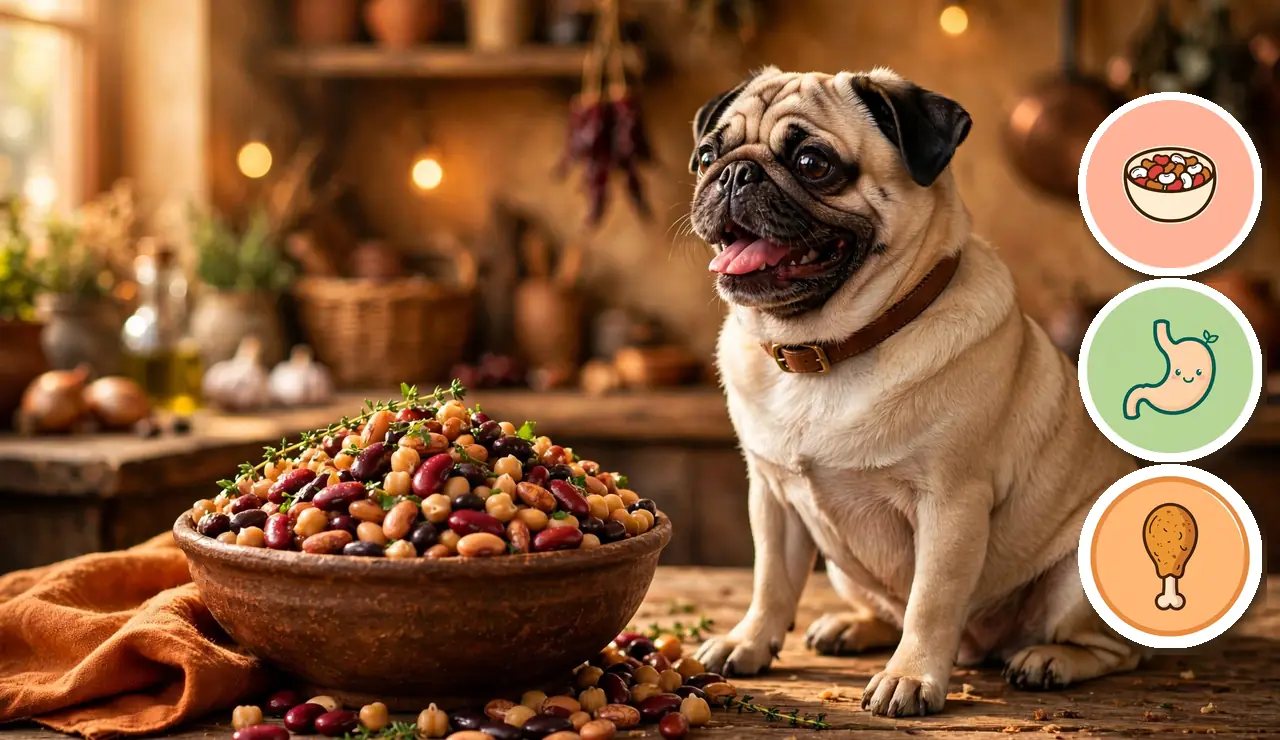
Quick Answer: Yes, most dogs can eat beans, and many varieties, including green beans, black beans, pinto beans, and chickpeas, are considered a healthy, occasional addition when served plain and fully cooked. The most important rule across nearly every bean type is that they must be thoroughly cooked. Raw or undercooked kidney beans and lima beans contain natural toxins that can cause serious illness, and cooking is what neutralizes them. Canned beans, seasoned beans, and dishes like refried or baked beans introduce their own separate concerns, mainly sodium, added fat, and sometimes toxic ingredients like onion or garlic.
Key Takeaways
- Most beans are safe for dogs when they are plain and fully cooked, including green beans, black beans, pinto beans, chickpeas, and lima beans.
- Raw or undercooked kidney beans and lima beans contain natural toxins that are destroyed by thorough cooking.
- Beans should always be served plain, with no salt, oil, garlic, onion, or other seasoning.
- Canned beans often contain added sodium and should be rinsed thoroughly or avoided in favor of fresh or dried, home-cooked beans.
- Beans are high in fiber, and overfeeding can cause gas, bloating, or loose stool in most dogs.
- Beans should be treated as an occasional treat or food topper rather than a replacement for a dog’s regular protein source.
Can Dogs Eat Beans?
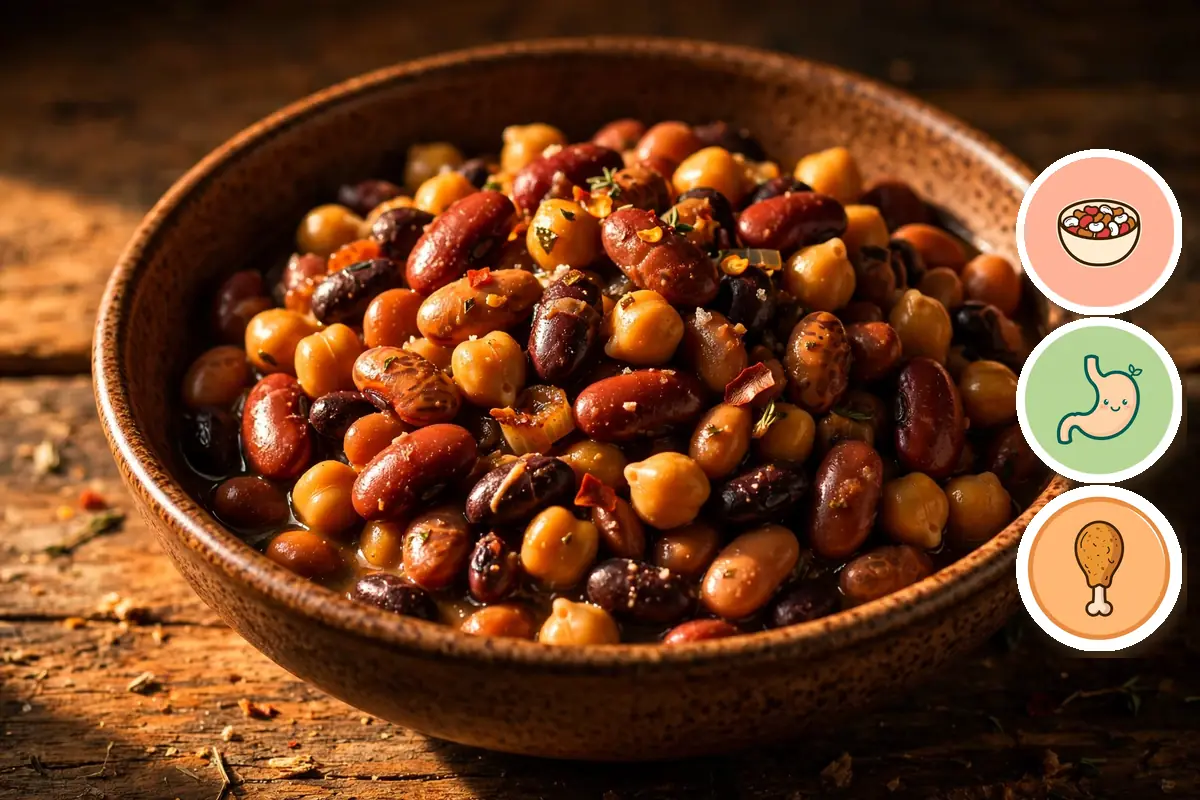
Yes, most beans are safe for dogs and can be a nutritious occasional addition to their diet when prepared correctly. Beans are legumes, and many common varieties provide a meaningful amount of protein, fiber, antioxidants, and vitamins. Some beans, including green beans and chickpeas, are frequently recommended by veterinarians as a low-calorie, healthy treat option, and beans in general appear as an ingredient in a number of commercial dog foods. For more variety in safe snacks, check our guide on whether dogs can eat broccoli. Curious about other foods? See if celery is safe for dogs.
That said, “beans” covers a wide range of different legumes, and not every rule applies equally across all of them. The single most important guideline that applies broadly is that beans should always be fully cooked and served plain. A small number of bean varieties, most notably kidney beans and lima beans, carry a genuine toxin in their raw or undercooked state, which makes proper preparation more important with beans than with many other vegetables.
Which Beans Are Generally Safe for Dogs?
The following table summarizes the more common bean varieties and their general safety profile when properly prepared.
| Bean Type | Safety Notes |
|---|---|
| Green beans | Very safe, low calorie, commonly recommended as a treat |
| Black beans | Safe when plain and cooked |
| Pinto beans | Safe when plain and cooked, though can cause gas |
| Garbanzo beans (chickpeas) | Safe when plain and cooked |
| Lima beans (butter beans) | Safe when thoroughly cooked; raw beans contain a toxin |
| Kidney beans | Safe when thoroughly cooked; raw or undercooked beans contain a toxin |
| Cannellini beans | Generally safe when plain and cooked |
| Navy and Great Northern beans | Generally safe but can be harder on digestion if fed often |
| Edamame (soybeans) | Safe when plain, cooked, and removed from the pod |
| Lentils | Safe when plain and cooked |
Dedicated guides are available for many of these individual bean types, covering serving size and preparation in more detail, since each variety has its own specific considerations worth understanding.
Why Must Beans Be Cooked? The Raw Bean Toxin Explained
This is the single most important safety principle when it comes to feeding beans to a dog. Certain raw or undercooked beans, most notably kidney beans, contain a natural compound called phytohaemagglutinin, sometimes abbreviated as PHA. This compound can cause significant gastrointestinal distress, including vomiting, diarrhea, abdominal pain, and lethargy, and even a relatively small amount of raw or undercooked kidney bean can be enough to cause a reaction.
Lima beans present a related but chemically different concern. Raw lima beans contain a compound called linamarin, which can release cyanide when the bean is crushed or chewed. Thoroughly cooking lima beans neutralizes this compound, which is why lima beans, like kidney beans, should never be given to a dog raw or undercooked.
Cooking beans until they are fully soft, whether by boiling dried beans for an extended period or using properly cooked canned beans, is what deactivates these natural toxins. This is why “plain and thoroughly cooked” is such a consistent refrain across nearly every discussion of beans and dogs. Dedicated guides covering kidney beans and lima beans specifically go into more depth on these particular toxins and what to do if a dog eats raw beans.
Nutritional Profile of Beans
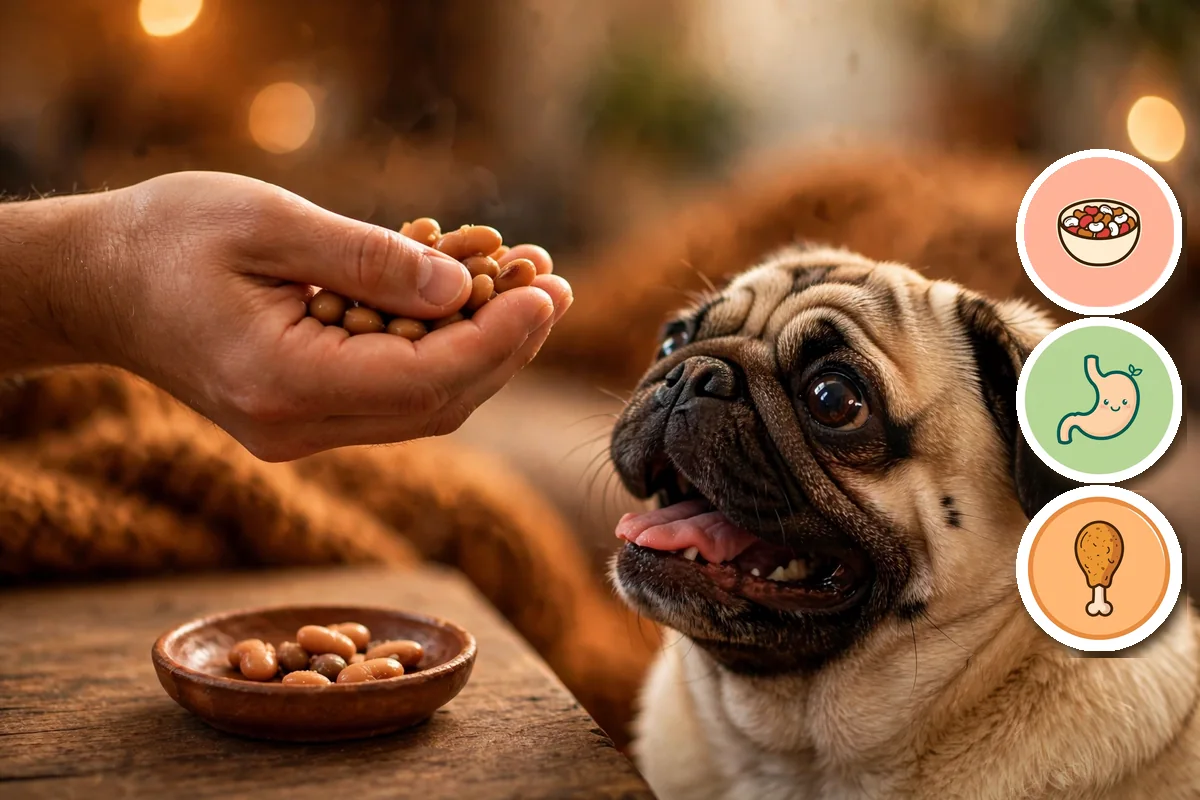
Beans as a category tend to offer a fairly rich nutritional profile, though specifics vary somewhat by type.
| Nutrient | Benefit for Dogs |
|---|---|
| Protein | Supports muscle maintenance, though dogs primarily need animal-based protein |
| Fibe | Supports digestive health in moderation |
| Antioxidants | Help reduce cellular damage associated with aging |
| Iron | Supports healthy blood cell function |
| Potassium and magnesium | Support muscle and nerve function |
| B vitamins | Support energy metabolism |
While beans offer real nutritional value, they should not be viewed as a primary protein source for a dog. Dogs are better suited to animal-based protein, and a complete and balanced commercial dog food already provides everything a dog needs. Beans are best treated as a beneficial extra rather than a dietary staple.
Calories in Beans
Calorie content varies somewhat by bean type, but most cooked beans fall into a similar moderate range.
| Portion | Approximate Calories |
|---|---|
| ¼ cup of most cooked beans | About 55 to 70 calories |
| 1 tablespoon of most cooked beans | About 15 to 18 calories |
Because beans are more calorie and carbohydrate dense than very low-calorie vegetables like green beans or cucumber, portions should stay modest for denser bean varieties. The general treat guideline still applies. Treats, including beans, should make up no more than 10 percent of a dog’s total daily calorie intake.
Advantages of Feeding Beans to Dogs
1. Good Source of Fiber
The fiber in most beans supports healthy digestion and can help a dog feel satisfied with a smaller treat portion.
2. Contains Plant-Based Protein
While not a substitute for animal protein, beans do provide a meaningful amount of protein that can complement a dog’s diet in small amounts.
3. Rich in Antioxidants
Many bean varieties, particularly black beans and pinto beans, are noted for their antioxidant content, which may support overall cellular health.
4. Low Calorie Options Available
Certain beans, especially green beans, are very low in calories, making them a good choice for dogs managing their weight.
5. Widely Available and Easy to Prepare
Beans are inexpensive, widely available fresh, dried, or canned, and require minimal preparation once properly cooked.
Disadvantages and Risks of Feeding Beans to Dogs
1. Raw Kidney and Lima Beans Contain Genuine Toxins
As detailed above, undercooked kidney beans and raw lima beans can cause serious illness and should never be given to a dog without thorough cooking.
2. Gas and Digestive Upset
Beans are well known for causing gas even in humans, and dogs are no exception. Pinto and lima beans in particular are frequently noted as more likely to cause gas, and overfeeding any bean variety can lead to bloating or loose stool.
3. Canned Beans Often Contain Added Sodium
Canned beans are typically packed with a notable amount of sodium as part of the canning process. Rinsing canned beans thoroughly, or choosing a low-sodium product, helps reduce this concern, though fresh or dried, home-cooked beans remain the better option.
4. Seasoned and Prepared Dishes Carry Separate Risks
Dishes made with beans, such as refried beans, baked beans, chili, or hummus, often include garlic, onion, excess salt, sugar, or fat, all of which carry their own risks independent of the beans themselves.
5. Higher Carbohydrate Content in Denser Beans
Beans like kidney, pinto, and navy beans are more calorie and carbohydrate dense than lighter vegetables, which is worth considering for dogs managing their weight or blood sugar.
6. Possible Allergic Reaction
Though uncommon, some dogs can be allergic or sensitive to certain beans. Symptoms can include itching, swelling, digestive upset, or in rare cases, more serious reactions.
7. Not a Primary Protein Source
Dogs are not built the same way humans are nutritionally, and beans should never replace animal-based protein as the main component of a dog’s diet.
Advantages vs. Disadvantages at a Glance
| Advantages | Disadvantages |
|---|---|
| Good source of fibe | Raw kidney and lima beans contain genuine toxins |
| Contains plant-based protein | Can cause gas and digestive upset |
| Rich in antioxidants in many varieties | Canned beans often contain added sodium |
| Low calorie options like green beans available | Prepared dishes often carry separate risks |
| Widely available and easy to prepare | Denser beans are higher in carbohydrates |
| Possible, though uncommon, allergic reaction | |
| Not a substitute for animal-based protein |
How to Safely Feed Beans to Your Dog
- Choose plain beans, whether fresh, dried and soaked, or canned.
- Cook thoroughly until fully soft, which is essential for kidney beans and lima beans in particular to neutralize their natural toxins.
- Rinse canned beans well to remove excess sodium, or choose a low-sodium product.
- Never add salt, oil, garlic, onion, or other seasoning.
- Start with a small amount and monitor for digestive reaction before offering beans regularly.
- Introduce one bean variety at a time to identify any individual sensitivity.
Can Dogs Eat Beans and Rice?
Yes, plain, cooked beans mixed with plain, cooked rice can be a reasonable, easily digestible combination for dogs, and this pairing is sometimes used as part of a bland, gentle meal for dogs recovering from mild digestive upset. As with beans on their own, everything should be plain, with no butter, salt, or seasoning, and the beans used should be a safe, fully cooked variety.
What Beans Should Be Avoided or Given With Extra Caution?
Beyond the raw kidney and lima bean concern already discussed, a few other situations call for extra caution. Canned baked beans and refried beans are typically prepared with added sugar, fat, sodium, and sometimes onion or garlic, making them considerably less suitable than plain, home-cooked beans. Bean-based dips like hummus often include garlic, which is toxic to dogs. Any bean dish prepared for a spicy or heavily seasoned recipe, such as chili, should also be kept away from dogs. Dedicated guides covering refried beans and baked beans specifically go into more detail on these prepared dishes.
Can Puppies Eat Beans?
Yes, puppies can have small amounts of plain, thoroughly cooked beans once they are eating solid food, though beans should never replace a portion of a puppy’s balanced diet, which needs to be nutrient-dense to support healthy growth. As with adult dogs, proper cooking is especially important for kidney and lima beans, and portions should be smaller given a puppy’s more sensitive digestive system.
Beans and Dogs with Health Conditions
Certain dogs should approach beans with more caution.
| Condition | Consideration |
|---|---|
| Kidney disease | The protein content in some beans may need to be limited, so veterinary guidance is recommended |
| Diabetes | Higher carbohydrate beans can affect blood sugar, so portions should be discussed with a veterinarian |
| Digestive sensitivities | Starting with a very small amount of one bean type at a time is recommended |
| Obesity or weight management | Denser bean varieties are more calorie rich, so portions should stay modest |
Signs of an Adverse Reaction
Watch for the following after a dog eats beans:
- Gas or noticeable bloating
- Diarrhea or loose stool
- Vomiting
- Decreased appetite
- Itching or skin irritation, which may suggest an allergic reaction
If a dog eats raw or undercooked kidney beans or lima beans, watch closely for vomiting, diarrhea, abdominal pain, or lethargy, and contact a veterinarian promptly, since these can indicate a reaction to the natural toxins present in the uncooked bean.
Frequently Asked Questions
Can dogs eat beans every day?
Small amounts of a safe, plain, cooked bean variety can be given regularly for most dogs, but beans should be treated as a treat or food topper rather than a replacement for a dog’s regular, balanced diet.
Are all beans safe for dogs?
Most common bean varieties are safe when plain and fully cooked, but raw or undercooked kidney beans and lima beans contain natural toxins and should never be given without thorough cooking.
Can dogs eat canned beans?
Canned beans can be given occasionally if rinsed thoroughly to remove excess sodium, but fresh or dried, home-cooked beans without added salt are generally the better choice.
Why do raw kidney beans need to be cooked so thoroughly?
Raw and undercooked kidney beans contain a compound called phytohaemagglutinin, which can cause significant vomiting, diarrhea, and abdominal pain. Thorough cooking deactivates this toxin.
Can dogs eat beans and rice?
Yes, plain, cooked beans mixed with plain, cooked rice is a reasonable, gentle combination, sometimes used as part of a bland diet for dogs with mild digestive upset.
Why do beans give my dog gas?
Beans contain complex fibers and sugars that can be harder to fully digest, leading to gas production in the intestines. This is a normal, if unpleasant, response and is more pronounced with certain varieties like pinto and lima beans.
Can puppies eat beans?
Yes, in small amounts of plain, thoroughly cooked beans once a puppy is eating solid food. Beans should never replace a portion of a puppy’s balanced diet.
What should I do if my dog eats raw kidney beans?
Contact a veterinarian promptly and watch closely for vomiting, diarrhea, abdominal pain, or lethargy, since raw kidney beans contain a toxin that can cause a significant reaction.