Can Dogs Eat Cabbage?

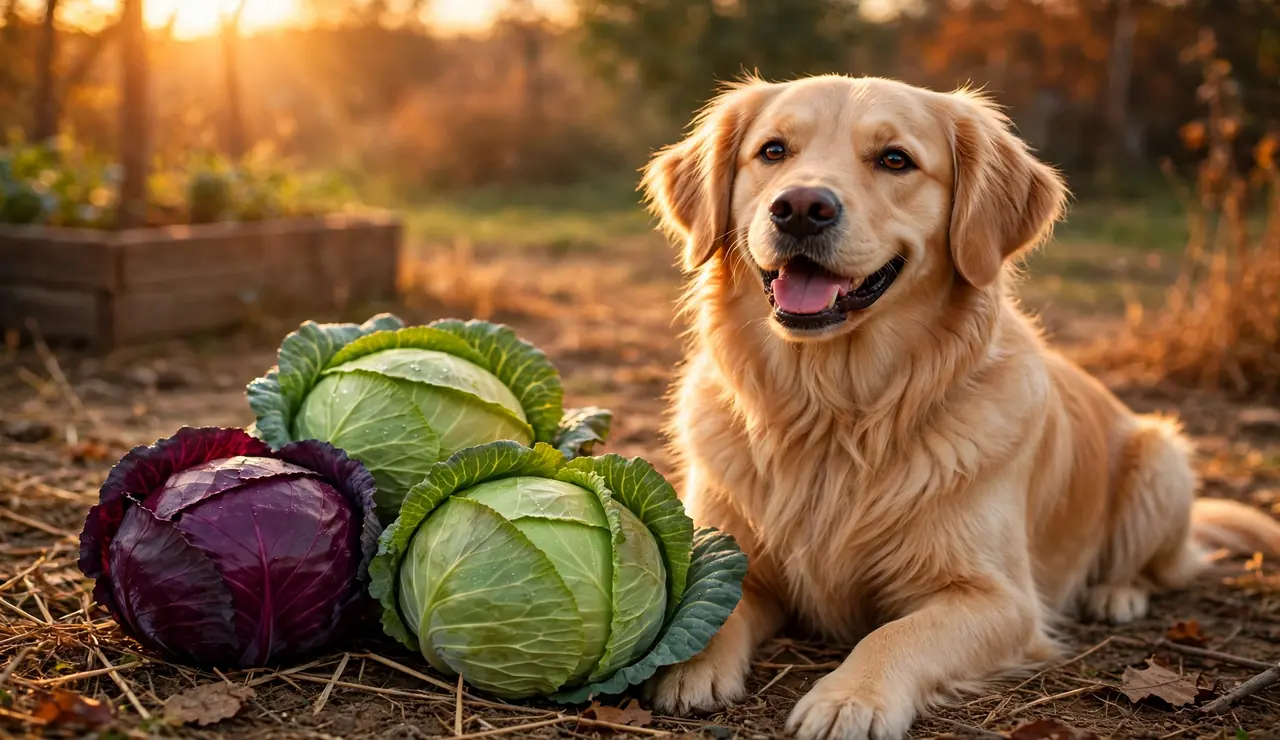
Yes, dogs can eat cabbage, and it is a safe, low calorie vegetable when served cooked and plain. Green cabbage, red cabbage, savoy, and napa are all non toxic for dogs. The main downside is gas, because cabbage contains raffinose, a complex sugar dogs digest poorly. Keep portions small, skip seasonings, and serve cooked or finely chopped.
Key Takeaways
- Cabbage is safe and non toxic for dogs, in green and red varieties.
- One cup of raw cabbage has only about 25 calories.
- Cooked, plain cabbage is easier to digest than raw cabbage.
- Raffinose in cabbage commonly causes gas, so keep servings small.
- Very large amounts of raw cabbage contain thiocyanate, which may affect thyroid function over time.
- Never serve cabbage with garlic, onion, salt, or rich sauces.
- Treats like cabbage should stay within 10 percent of daily calories.
Can Dogs Eat Cabbage?
Dogs can safely eat cabbage. This vegetable is neither toxic nor dangerous when prepared simply. Like its close relative broccoli, another dog safe vegetable many owners ask about, cabbage offers real nutritional value rather than just being harmless filler.
The biggest issue is digestive. Cabbage contains raffinose, a complex carbohydrate dogs do not digest well, so gut bacteria ferment it and produce gas. Most dogs handle a small portion fine, but a big serving often leads to flatulence and soft stools. Treat cabbage as an occasional side vegetable, not a dietary staple.
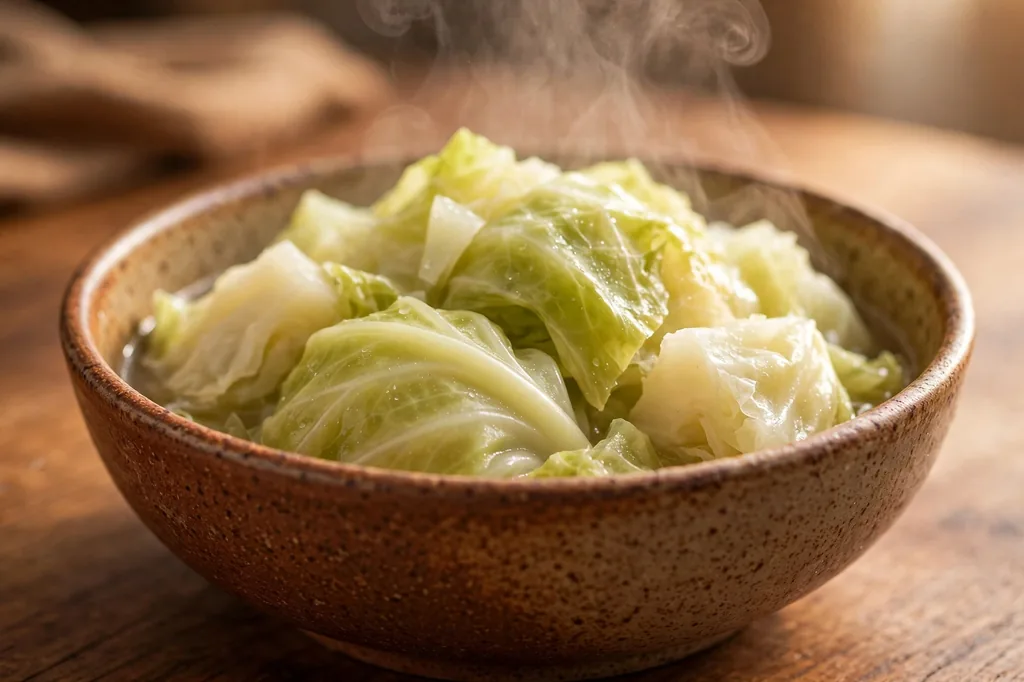
Preparation matters more than variety. Cooking breaks down tough fibers and reduces the gas producing effect, so steamed or boiled cabbage usually works better than raw. Serve it plain, because garlic and onion are toxic to dogs and excess salt causes dehydration.
Nutritional Profile of Cabbage
Raw green cabbage is about 92 percent water and delivers a useful mix of nutrients per 100 grams:
| Nutrient | Amount per 100g | Potential Benefit for Dogs |
|---|---|---|
| Vitamin C | 36.6 mg | Antioxidant that supports immune function |
| Vitamin K | 76 mcg | Supports blood clotting and bone health |
| Fiber | 2.5 g | Supports healthy digestion and firm stools |
| Potassium | 170 mg | Helps nerves and muscles work properly |
| Folate | 43 mcg | Supports cell growth and red blood cells |
| Manganese | 0.159 mg | Supports metabolic enzymes |
| Calcium | 40 mg | Contributes to bones and teeth |
| Protein | 1.28 g | Small contribution to daily protein |
| Water | 92 g | Adds hydration with every serving |
Red cabbage adds anthocyanins, the purple pigments that act as antioxidants. These values come from standard food data, and your dog gets only a fraction from a treat portion. Consult your vet if cabbage is part of a home prepared diet.
Calories in Cabbage
Cabbage is one of the lowest calorie vegetables for dogs. Raw cabbage has roughly 25 calories per 100 grams, and cooking changes little without added oil. A cup of shredded raw cabbage weighs about 89 grams and holds around 22 calories, a smart pick for dogs watching their weight.
| Preparation | Serving | Approx. Calories |
|---|---|---|
| Raw, chopped | 1 cup (89 g) | 22 |
| Boiled, plain | 1 cup (150 g) | 35 |
| Small dog portion | 2 tbsp (20 g) | 5 |
Treats should stay within 10 percent of daily calories. Even a low calorie food like cabbage can upset digestion in excess.
Benefits of Feeding Cabbage to Dogs
1. Vitamin C Supports Immune Health
Cabbage is rich in vitamin C, a dietary antioxidant that helps protect cells from free radical damage. Dogs make their own vitamin C in the liver, so they do not depend on food sources, but the extra antioxidant support is still a useful bonus in a light treat.
2. Vitamin K for Bones and Blood Clotting
With about 76 micrograms of vitamin K per 100 grams, cabbage is a solid source. Vitamin K plays a central role in blood clotting and supports bone health. Dogs get most of it from balanced commercial food, but vegetable sources add variety without risk.
3. Fiber Supports Healthy Digestion
Cabbage provides about 2.5 grams of fiber per 100 grams. In modest amounts, fiber supports regular digestion and firm stools, and helps a dog feel full. Too much has the opposite effect, causing loose stools and excess gas.
4. Antioxidants, Including Anthocyanins in Red Cabbage
Red cabbage contains anthocyanins, the pigments behind its purple color, which act as antioxidants. Green cabbage carries glucosinolates, the sulfur compounds typical of cruciferous vegetables. Mixing vegetable colors varies the antioxidants in your dog’s diet.
5. A Low Calorie Treat for Weight Management
At roughly 25 calories per 100 grams, cabbage is among the leanest treats available. Replacing calorie dense treats with plain cabbage or green beans, another low calorie favorite, can cut daily calories without making your dog feel deprived. Clear weight loss plans with your vet.
6. Hydration and Satiety
Raw cabbage is about 92 percent water. A small serving adds hydration and bulk, helping a dog feel full between meals. For dogs that beg for snacks, a few pieces of plain cabbage satisfy the urge to munch without meaningful calories.
Risks and Disadvantages of Feeding Cabbage to Dogs

1. Gas and Bloating From Raffinose
Cabbage contains raffinose, a complex sugar dogs cannot break down. Gut bacteria ferment it in the large intestine and release gas. Expect flatulence and stomach rumbling. Start with a very small portion and watch your dog’s reaction.
2. Thyroid Concern With Very Large Raw Amounts
Raw cabbage contains thiocyanate, which in large quantities may affect thyroid function by interfering with iodine uptake. This only matters when a dog eats huge amounts of raw cabbage regularly, not from an occasional treat. Cooking reduces thiocyanate. If your dog has a thyroid condition, ask your vet first.
3. Digestive Upset From Overfeeding
Even cooked cabbage can cause diarrhea or nausea in large amounts, as too much fiber irritates the gut. If your dog raids a big bowl of cabbage, expect a day or two of trouble. Offer water, keep meals light, and call your vet if vomiting persists.
4. Dangerous Seasonings and Preparations
Plain cabbage is safe, but many human dishes are not. Garlic and onion are toxic to dogs, heavy salt causes dehydration, coleslaw is too rich, and sauerkraut is far too salty. Prepare your dog’s portion separately, with no oil, butter, salt, or spices.
5. Choking Risk From Tough Raw Pieces
Raw cabbage leaves and the thick core are tough and slippery. A large, unchewed piece can lodge in a dog’s throat, especially for small dogs. Chop raw cabbage into small pieces or cook it until soft, and remove or finely dice the hard core.
Can Dogs Eat Raw Cabbage?
Yes, but cooked cabbage is better for most dogs. Raw cabbage is tougher to chew and digest, and causes more gas because its fibers and raffinose are fully intact. A few small, finely chopped raw pieces make a fine crunchy snack. Cooking softens fibers, reduces gas producing compounds somewhat, and lowers thiocyanate. For puppies, seniors, or sensitive stomachs, always choose cooked. Broccoli follows the same pattern: raw florets are crunchier but tougher to digest than cooked ones.
Red Cabbage vs Green Cabbage for Dogs
Both are safe, so serve whichever you have. Red cabbage offers anthocyanins from its purple pigment, which act as antioxidants, and slightly more vitamin C. Green cabbage is milder and cheaper. At treat portion sizes the differences are small, so rotating both over time varies antioxidants. Wash well, serve plain, and keep servings modest.
Can Dogs Eat Cabbage Leaves and Stems?
The soft leaves are the best parts: tender, easy to chop, and nutrient rich. Wash them well, since outer leaves catch the most field spray. The thick stem and core are not toxic but are tough and hard to digest, posing a choking risk for small dogs. Grate or finely dice the stem and cook it soft, or trim it away.
How Much Cabbage Can a Dog Eat?
Portions depend on size, and amounts below assume plain, cooked cabbage alongside a balanced diet. For a first taste, start with half the suggested amount.
| Dog Size | Weight Range | Suggested Serving |
|---|---|---|
| Extra small | Under 10 lbs | 1 to 2 tbsp, chopped |
| Small | 10 to 25 lbs | Up to 1/4 cup |
| Medium | 25 to 50 lbs | Up to 1/2 cup |
| Large | 50 to 90 lbs | Up to 3/4 cup |
| Extra large | Over 90 lbs | Up to 1 cup |
Serve cabbage a few times a week at most, within the 10 percent treat allowance. Reduce the portion if your dog already gets other treats that day.
Can Puppies Eat Cabbage?
Puppies can eat cabbage in very small amounts once eating solid food regularly, usually from eight to ten weeks of age. Their developing digestive systems make gas and soft stools more likely. Serve it cooked until very soft and chopped tiny. Start with a teaspoon or two in regular food and watch for reactions. Vegetables should stay a tiny side note for growing puppies. Check with your vet if your puppy is on a growth formula or has a health condition.
How to Safely Feed Cabbage to Your Dog
Wash it, cook it plain, and portion it. Rinse under running water, discard wilted outer leaves, cook until tender, and cool to room temperature. Never feed it straight from a hot pan.
Ways to Serve
- Steamed: Steam chopped cabbage until tender, about 8 to 10 minutes, with no salt or oil.
- Boiled: Boil in plain water until soft, then drain, cool, and use as a meal topper.
- Mixed into food: Stir a spoonful of cooked, chopped cabbage into regular kibble or wet food.
- Raw snack: Offer a few small, finely chopped raw pieces as a crunchy treat for adult dogs.
- Training topper: Use tiny cooked pieces alongside peas, another small and safe vegetable treat, to vary training rewards.
Avoid sauteing in oil, adding salt or spices, mixing with butter, or serving fermented cabbage like sauerkraut. For sensitive stomachs, introduce over several days starting with a single tablespoon.
Cabbage vs Other Vegetables for Dogs
All four below are safe when served plain, but differ in calories and the main caution to remember:
| Vegetable | Calories/100g | Fiber/100g | Key Strength | Main Caution |
|---|---|---|---|---|
| Cabbage | 25 | 2.5 g | Vitamin K, lowest calories | Gas from raffinose |
| Broccoli | 34 | 2.6 g | Vitamin C | Stomach irritation in large amounts |
| Green beans | 31 | 2.7 g | Gentle low calorie bulk | Usually well tolerated |
| Peas | 81 | 5.7 g | Higher protein and fiber | Higher calories and carbs |
Cabbage is the lightest option, useful for weight conscious dogs. Green beans are often gentlest for sensitive stomachs, while peas offer more protein at a higher calorie cost. Rotating between them keeps treat time interesting.
Frequently Asked Questions
Is cabbage toxic to dogs?
No. Green, red, savoy, and napa cabbage are all safe in reasonable portions. The concerns are digestive, gas and bloating, plus thiocyanate that only matters in very large raw amounts. Added garlic, onion, or salt are the real danger in cabbage dishes.
Can cabbage cause gas in dogs?
Yes. Cabbage contains raffinose, a sugar dogs cannot digest, so gut bacteria ferment it and release gas. Cooking the cabbage and keeping portions small reduces but does not eliminate this effect.
Can dogs eat cooked cabbage?
Yes, cooked is the best way to serve it. Steaming or boiling until tender makes cabbage easier to digest and lowers thiocyanate. Serve plain, with no oil, butter, salt, garlic, or spices, and let it cool first.
Can dogs eat sauerkraut?
No. Sauerkraut is fermented with large amounts of salt, which can cause dehydration and, in big quantities, sodium ion poisoning. Some versions also contain garlic or other unsafe flavorings. Stick to fresh, plain cabbage.
Can dogs eat red cabbage?
Yes. Red cabbage is safe and adds anthocyanin antioxidants from its purple pigment. Serve it washed, cooked plain, and in modest portions. It may stain light fur slightly, but that is cosmetic, not a health issue.
How much cabbage is too much for a dog?
Anything beyond the portion guide above, or cabbage fed daily in large amounts, is too much. Signs include excessive gas, bloating, diarrhea, and vomiting. Keep cabbage to a few times a week and call your vet if symptoms last more than a day.