

Can Dogs Eat Cornbread?

Quick Answer: Plain, homemade cornbread with no added sugar, butter, or other ingredients is generally safe for dogs in small amounts, but most cornbread, whether store-bought or homemade for a family meal, is not something a dog should eat regularly. Cornbread is typically made with a fair amount of sugar and butter, which can contribute to weight gain, digestive upset, or pancreatitis over time. Store-bought mixes and some recipes may also include ingredients like raisins, onion, or artificial sweeteners such as xylitol, all of which are genuinely toxic to dogs.
Key Takeaways
- Plain, homemade cornbread with no added sugar or butter is generally safe for dogs in small, occasional amounts.
- Most cornbread contains more sugar and butter than people expect, which can contribute to weight gain, digestive upset, or pancreatitis.
- Corn is a known allergen for some dogs, and cornbread is made primarily from cornmeal.
- Store-bought cornbread mixes may contain preservatives, added sugar, or in rare cases, xylitol, a sweetener that is highly toxic to dogs.
- Some recipes include raisins, onion, or garlic, all of which are toxic to dogs and should never be shared.
- A small, accidentally eaten piece of plain cornbread is unlikely to cause serious harm to most healthy dogs.
Can Dogs Eat Cornbread?
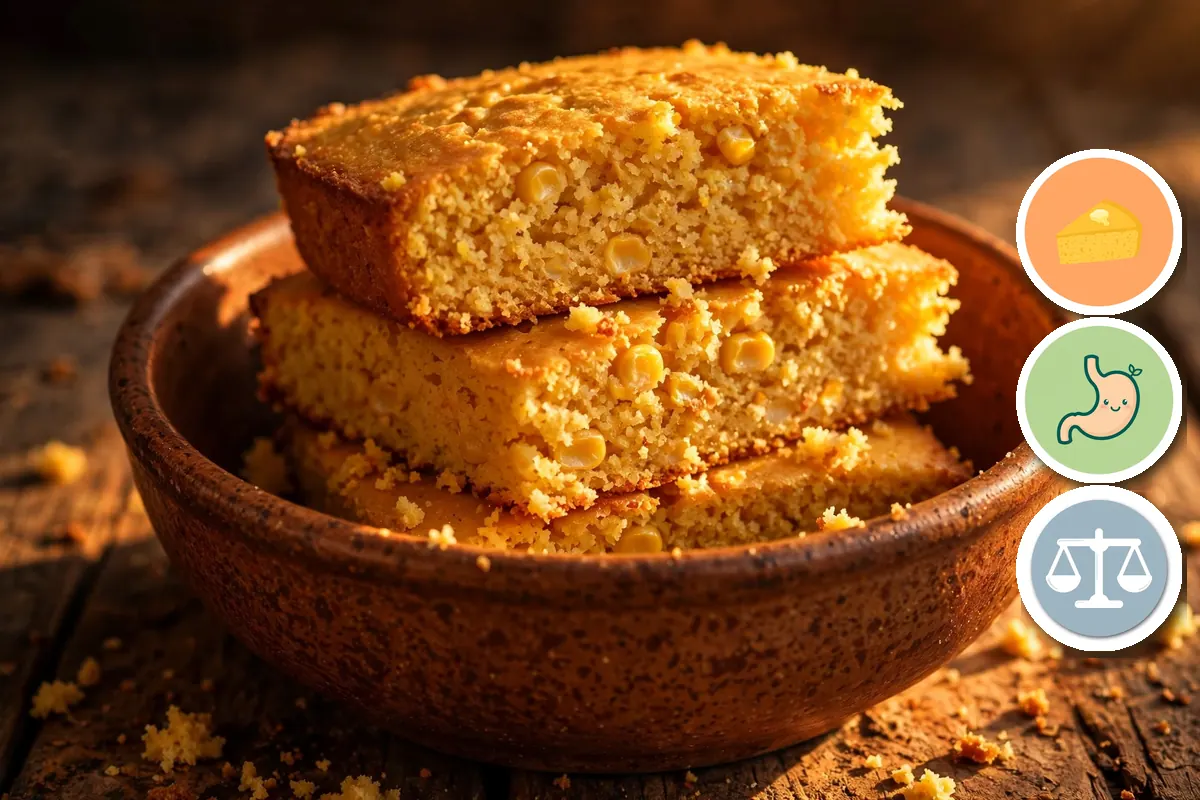
Cornbread itself, at its most basic, is made from cornmeal, and corn is not toxic to dogs. In that narrow sense, a very plain, simply prepared piece of cornbread is not dangerous. However, the cornbread most people actually make or buy is rarely this simple. Traditional recipes typically include a meaningful amount of sugar and butter, sometimes described as turning cornbread into something closer to a sweetened cake than a plain bread, along with eggs and milk or buttermilk.
Because of this, cornbread sits in a gray area. It is not acutely toxic the way chocolate or grapes are, but it is also not a food that offers a dog any real benefit, and the ingredients commonly used to make it push it toward being an occasional indulgence at best rather than something to share regularly.
What Makes Cornbread a Concern for Dogs?
1. High in Sugar
Most cornbread recipes contain more added sugar than people realize, since plain cornmeal does not taste particularly sweet on its own and sugar is added to compensate. Regular sugar intake can contribute to weight gain, dental issues, and blood sugar problems over time, and offers no benefit to a dog.
2. High in Butter and Fat
Butter is a standard ingredient in most cornbread recipes. A sudden intake of a fatty food like this is a well-documented trigger for pancreatitis, a painful and potentially serious inflammation of the pancreas, particularly in breeds already prone to the condition, such as Miniature Schnauzers.
3. Dairy Content
Milk or buttermilk, along with the butter, means cornbread contains a notable amount of dairy. Dogs with lactose intolerance can experience gas, bloating, or diarrhea after eating a dairy-containing food like this.
4. Corn Allergies
While not extremely common, some dogs are allergic or sensitive to corn, which is the primary ingredient in cornbread. Symptoms usually appear as skin irritation, itching, ear infections, or digestive upset rather than a sudden severe reaction.
5. Potentially Toxic Add-Ins
Some cornbread recipes include raisins for sweetness or texture, and savory variations may include onion or garlic. All three of these ingredients are toxic to dogs, with raisins posing a risk of acute kidney failure and onion and garlic capable of damaging red blood cells.
6. Store-Bought Mixes May Contain Xylitol
Some commercial cornbread mixes, particularly those marketed as reduced sugar or diet-friendly, may use xylitol as a sweetener. Xylitol is highly toxic to dogs and can cause a dangerous, rapid drop in blood sugar even in small amounts.
Advantages vs. Disadvantages at a Glance
| Advantages | Disadvantages |
|---|---|
| Made from corn, which is not inherently toxic | Typically high in added suga |
| Simple, homemade versions can be made dog-safe | High in butter and fat, a pancreatitis risk |
| Crumbly texture is easy to break into small pieces | Contains dairy, which some dogs digest poorly |
| Corn is a known allergen for some dogs | |
| Some recipes include toxic raisins, onion, or garlic | |
| Store-bought mixes may contain toxic xylitol | |
| Offers no real nutritional benefit for a dog |
What If My Dog Steals a Piece of Cornbread?
If a dog manages to grab a small piece of plain cornbread off a table or counter, this is unlikely to cause serious harm to most healthy adult dogs. Cornbread is fairly crumbly, which means it breaks apart easily and is not typically a choking hazard the way a dense, sticky food might be. Monitor for mild digestive upset, such as gas, bloating, or loose stool, over the following day. If the cornbread contained raisins, onion, garlic, or a significant amount of sugar and butter, or if a large piece was eaten, watch more closely and consider contacting a veterinarian, particularly if the dog is small, has an existing health condition, or shows any concerning symptoms. If you are exploring other safe treats, learn whether dogs can eat mozzarella cheese. For more variety in safe snacks, check our guide on whether dogs can eat american cheese. For more variety in safe snacks, check our guide on whether dogs can eat parmesan cheese.
What to Do If Cornbread Contained a Toxic Ingredient

If there is any chance the cornbread contained raisins, onion, garlic, or a sugar substitute like xylitol, treat this differently than a plain piece. Contact a veterinarian or emergency animal hospital promptly, even if the dog is not yet showing symptoms, since the effects of these specific ingredients can take time to become apparent and early treatment significantly improves the outcome. Do not wait to see whether symptoms develop before reaching out.
Is Homemade Cornbread Safer Than Store-Bought?
Generally, yes. Homemade cornbread gives full control over exactly what goes into it, which makes it possible to leave out sugar, use minimal butter, and avoid any toxic add-ins entirely. Store-bought cornbread and boxed mixes are more likely to contain preservatives, higher amounts of sugar or salt, and in some cases, artificial sweeteners that are not always obvious from the front of the package. If cornbread is going to be shared with a dog at all, a simple homemade version made specifically with the dog in mind is the safer route.
A Simpler, Dog-Safer Cornbread Approach
For pet owners who want to occasionally share a bite of cornbread with their dog, a plain version made without sugar or butter is a reasonable compromise. This can be as simple as combining cornmeal with a small amount of water or plain unsweetened applesauce in place of sugar, using a minimal amount of a dog-safe oil instead of butter, and baking until fully cooked. This kind of plain preparation removes most of the concerns associated with traditional cornbread while still offering a similar taste and texture in moderation.
Can Puppies Eat Cornbread?
It is best to avoid cornbread for puppies. Their digestive systems are more sensitive to sugar, fat, and dairy, and their smaller size means any toxic ingredient present, such as raisins or xylitol, would represent a larger relative dose. If a puppy eats a small amount of plain cornbread, monitor closely, and if any toxic ingredients were involved, contact a veterinarian right away.
Cornbread and Dogs with Health Conditions
Certain dogs should avoid cornbread entirely, even the plain variety.
| Condition | Consideration |
|---|---|
| Pancreatitis | Butter and fat content are a well-documented trigger for flare-ups |
| Diabetes | Sugar content can complicate blood sugar management |
| Obesity or weight management | Calorie, sugar, and fat content work against weight goals |
| Corn allergy or sensitivity | Cornbread should be avoided entirely if a corn sensitivity has been identified |
| Lactose intolerance | Dairy content is likely to cause digestive upset |
Signs of an Adverse Reaction
Watch for the following after a dog eats cornbread:
- Vomiting or diarrhea
- Gas or bloating
- Lethargy
- Abdominal pain or a hunched posture, which can indicate pancreatitis
- Itching or skin irritation, which may suggest a corn allergy
If a dog shows signs of pale gums, weakness, or other concerning symptoms after eating cornbread that contained onion, garlic, or raisins, seek veterinary care promptly.
Frequently Asked Questions
Can dogs eat cornbread?
Plain, homemade cornbread with no added sugar or butter is generally safe in small amounts, but most cornbread contains enough sugar and fat that it should only be an occasional treat, if given at all.
What happens if my dog eats a small piece of cornbread?
Most healthy adult dogs experience nothing more than mild digestive upset from a small, one-time piece of plain cornbread. Larger amounts or cornbread with toxic add-ins carry more risk.
Can dogs eat cornbread with raisins?
No, raisins are toxic to dogs and can cause acute kidney failure, even in small amounts. Any cornbread containing raisins should never be given to a dog.
Is store-bought cornbread mix safe for dogs?
It is generally less ideal than homemade cornbread, since boxed mixes may contain higher amounts of sugar, preservatives, or in some cases, artificial sweeteners like xylitol.
Can cornbread cause pancreatitis in dogs?
It can contribute to it, particularly with the butter and fat content in traditional recipes. Dogs with a history of pancreatitis or predisposed breeds should avoid cornbread.
Are dogs allergic to cornbread?
Dogs can be allergic or sensitive to corn specifically, which is the main ingredient in cornbread. Symptoms typically include itching, skin irritation, or digestive upset.
What should I do if my dog eats cornbread with onion or garlic?
Contact a veterinarian promptly, even if the dog is not yet showing symptoms, since onion and garlic are toxic to dogs and can damage red blood cells.
Can puppies eat cornbread?
It is best to avoid it. Puppies have more sensitive digestive systems, and their smaller size makes them more vulnerable to the sugar, fat, and any toxic ingredients that may be present.