

Can Dogs Eat Lobster?

Quick Answer: Yes, dogs can eat lobster, but only as a rare treat and only the cooked plain meat with the shell removed. Lobster is a lean protein rich in zinc, copper, and omega-3 fatty acids, which support skin, coat, and immune health. It is also high in sodium and cholesterol, and some dogs are allergic to shellfish, so portions must stay small. Never feed raw lobster, the shell, or lobster cooked in butter, garlic, or seasoning. A small bite of plain steamed lobster is a safe luxury for most healthy dogs.
Key Takeaways
- Cooked plain lobster meat is safe for most dogs in small amounts as a rare treat.
- Always remove the shell, since it is sharp and can cause choking or internal injury.
- Never feed raw lobster, and never serve lobster with butter, garlic, or seasoning.
- Lobster is high in sodium and cholesterol, so it should not be a regular food.
- Some dogs are allergic to shellfish, so offer a tiny piece first and watch for reactions.
- Lobster is a luxury treat, not a daily protein, and it should stay within the 10 percent rule.
Can Dogs Eat Lobster?
Yes, dogs can eat lobster when it is prepared the right way. The meat itself is a lean, high quality protein with useful minerals and omega-3 fats, and most dogs find it very tasty. The key is preparation: the lobster must be fully cooked, served plain, and completely free of shell. Lobster that is raw, seasoned, or served in rich butter sauce is not safe for dogs.
The biggest risks with lobster are not the meat itself but everything around it. The shell is sharp and brittle, and it can cut the mouth or throat, cause choking, or damage the digestive tract if swallowed. Lobster is also naturally high in sodium, and the butter and garlic it is usually served with add fat and toxins that dogs should not eat. Plain cooked shrimp for dogs is a similar shellfish treat with the same rules, and it is often a cheaper and easier choice.
Because lobster is expensive and rich, it works best as an occasional special treat rather than a regular part of the diet. A small bite on a special occasion is plenty, and your dog will enjoy it just as much as a large portion. If your dog has never had shellfish before, start with a tiny piece and watch for signs of an allergy, such as itching, swelling, vomiting, or diarrhea, over the next few hours.
Nutritional Profile of Lobster
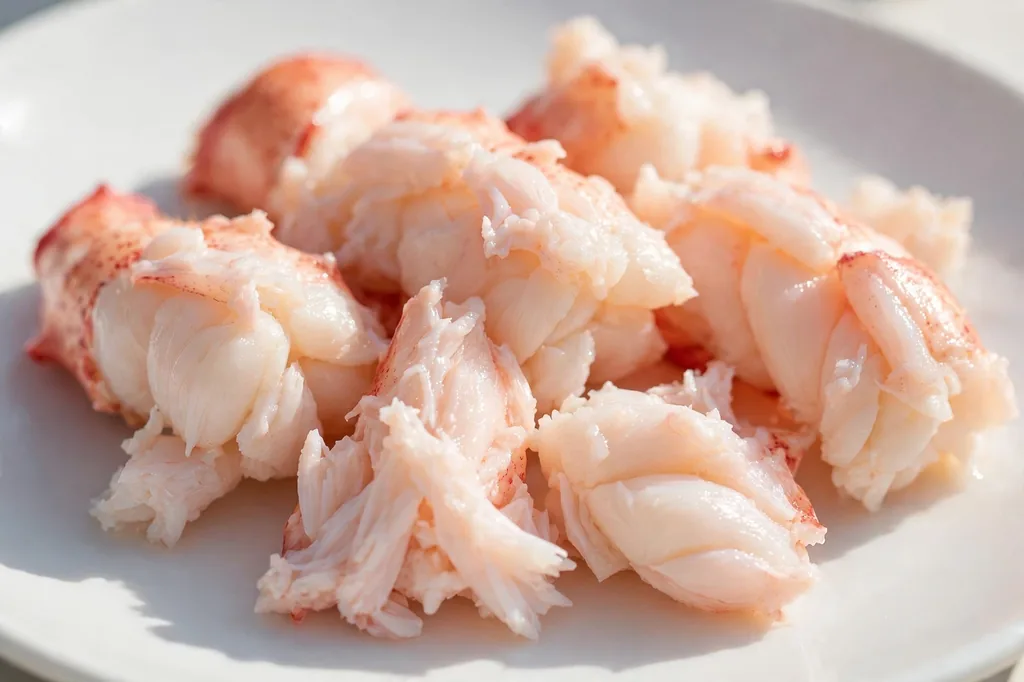
The values below are for cooked lobster meat per 100 grams. Lobster is a lean protein with useful minerals, but it is also high in sodium and cholesterol, which is why portions must stay small.
| Nutrient per 100g | Amount | Benefit for Dogs |
|---|---|---|
| Protein | 19 g | Supports muscle growth, repair, and energy |
| Zinc | 7.3 mg | Supports immune function and skin health |
| Copper | 1.7 mg | Supports red blood cells and bone health |
| Omega-3 fats | 0.2 g | Supports skin, coat, and brain health |
| Vitamin B12 | 1.4 mcg | Supports nerve function and red blood cells |
| Selenium | 40 mcg | Supports the immune system and thyroid health |
| Phosphorus | 238 mg | Supports strong bones and teeth |
Calories in Lobster
Cooked lobster meat has about 89 calories per 100 grams, which is low for a protein, but the usual serving style changes the picture. Lobster is almost always served with melted butter, which adds a lot of fat and calories, and that butter is not safe for dogs. Plain lobster meat on its own is lean, yet its high sodium and cholesterol mean it should still be an occasional treat. A few small bites add only a handful of calories, so it fits easily into a balanced diet when served plain.
Benefits of Feeding Lobster to Dogs
1. Lean High Quality Protein
Lobster is a lean protein with all the essential amino acids a dog needs for muscle growth and repair. Protein also supports energy, immune function, and healthy skin.
2. Supports Skin and Coat Health
The omega-3 fatty acids and zinc in lobster support a healthy skin barrier and a shiny coat. Dogs with dry skin or a dull coat can benefit from omega-3 rich foods.
3. Rich in Zinc and Copper
Lobster is one of the richest natural sources of zinc and copper, two minerals that support the immune system, wound healing, and red blood cell health.
4. Supports Brain Health
The omega-3 fats and vitamin B12 in lobster support brain function and nerve health. These nutrients are especially useful for older dogs, whose brains benefit from extra support. A small amount of lobster can be a nice addition to a senior dog’s diet.
5. Low in Fat
Plain lobster meat is naturally low in fat, which makes it a lighter choice than many other rich treats. This is good news for dogs that need to watch their fat intake, as long as the lobster is served without butter. Keep the portion small and the preparation plain.
6. A Fun Special Treat
Lobster is a food most dogs rarely get, so it makes a memorable treat for a birthday or celebration. Sharing a small bite of your lobster is a safe way to include your dog in a special meal. Just remember to keep the shell and the butter far away from your dog.
Risks and Disadvantages of Lobster for Dogs

1. Shellfish Allergies
Some dogs are allergic to shellfish, including lobster, shrimp, and crab. An allergy can cause itching, hives, swelling, vomiting, or diarrhea, and in rare cases it can be serious.
2. Sharp Shell Danger
Lobster shells are hard, sharp, and brittle, and they can cut the mouth and throat or cause a blockage if swallowed. Never let your dog chew on a lobster shell, claw, or tail piece.
3. High Sodium Content
Lobster is naturally high in sodium, and too much sodium can cause thirst, stomach upset, or worse in dogs with kidney or heart problems. Keep portions small and do not add salt during cooking. Dogs with heart or kidney disease should avoid lobster unless their vet approves it.
4. High Cholesterol
Lobster is high in cholesterol, which is a concern for dogs with certain health conditions. Healthy dogs handle a small amount well, but lobster should not be a regular food. If your dog has high cholesterol or liver problems, ask your vet before offering lobster.
5. Butter, Garlic, and Seasoning
Lobster is usually cooked and served with butter, garlic, lemon, and spices, and these extras are not safe for dogs. Garlic and onion are toxic, and butter adds a lot of fat that can trigger stomach upset or pancreatitis. Only plain steamed or boiled lobster meat is safe.
Can Dogs Eat Raw Lobster?
No, dogs should not eat raw lobster. Raw shellfish can carry bacteria and parasites that cause serious stomach illness, and raw lobster meat is also harder to digest. Always cook lobster fully by steaming or boiling it until the meat is opaque and firm. Let it cool completely before offering a small piece to your dog. Tuna for dogs carries a different risk, mercury, so it is also limited to small amounts.
Can Dogs Eat Lobster Shells?
No, dogs must never eat lobster shells. The shells are sharp and brittle, and they can cut the mouth, throat, or digestive tract, or cause a dangerous blockage. Even small pieces of shell are a risk. Always remove the shell completely and check the meat carefully for any fragments before serving.
Can Dogs Eat Lobster Bisque?
No, dogs should not eat lobster bisque or lobster soup. These dishes are made with cream, butter, salt, garlic, onion, and sometimes sherry, and almost every ingredient is a problem for dogs. The rich, fatty base can trigger stomach upset or pancreatitis. Offer only plain lobster meat, and keep soups and sauces away from your dog. Plain cooked salmon for dogs is a safer fish option if you want to share a seafood meal.
How Much Lobster Can a Dog Eat?
Lobster is a rare luxury treat, so keep the amount very small and offer it only occasionally. The amounts below are for plain cooked lobster meat with the shell removed, and they assume your dog has no shellfish allergy.
| Dog Size | Weight | Suggested Amount |
|---|---|---|
| Extra small | Under 5 kg | 1 small bite |
| Small | 5 to 10 kg | 1 to 2 tablespoons |
| Medium | 11 to 25 kg | 2 to 3 tablespoons |
| Large | 26 to 45 kg | 3 to 4 tablespoons |
| Giant | Over 45 kg | Up to 1/2 cup |
Can Puppies Eat Lobster?
Puppies can eat a tiny piece of plain cooked lobster once they are weaned and eating solid food, but it is best to wait until they are a little older, around six months, before offering shellfish. Puppies have sensitive stomachs and developing immune systems, so a shellfish allergy or stomach upset is more likely. Start with a single small bite, watch for any reaction, and keep lobster as a very rare treat. If your puppy has any food sensitivities, skip lobster and ask your vet first.
How to Safely Feed Lobster to Your Dog
The only safe way to serve lobster is steamed or boiled, plain, and completely free of shell. Cook it fully, let it cool, and remove every piece of shell before offering the meat. Serve it as a small treat on its own or mixed into your dog’s regular food.
Ways to Serve Lobster
- Steam or boil lobster until the meat is opaque and firm, with no butter or seasoning.
- Remove all shell, claws, and tail pieces, and check the meat for fragments.
- Let the meat cool completely, then cut it into small bite-size pieces.
- Mix a small amount into your dog’s regular kibble as a special topper.
- Offer a single bite first if your dog has never had shellfish, and watch for reactions.
Lobster vs Other Seafood
Lobster is the richest and most expensive seafood on this list, and it is also the one that needs the most care. Other fish and shellfish are often safer and simpler choices for dogs.
| Food | Safe for Dogs? | Notes |
|---|---|---|
| Lobster | Yes, rare treat | Lean protein, high sodium, shell must be removed |
| Shrimp | Yes | Lean protein, remove shell and tail, serve plain |
| Salmon | Yes | Rich in omega-3, cook fully, watch for bones |
| Tuna | Yes, in moderation | High in mercury, so only small amounts |
Frequently Asked Questions
Is lobster safe for dogs?
Yes, cooked plain lobster meat is safe for most dogs in small amounts as a rare treat. Remove the shell completely, serve it without butter or seasoning, and watch for shellfish allergies the first time.
Can dogs eat lobster tails?
Dogs can eat the meat from a lobster tail, but never the shell. Remove the meat from the tail shell completely, check for fragments, and serve the plain cooked meat in small pieces.
How much lobster can a dog eat?
Most dogs should eat no more than a few tablespoons of plain cooked lobster meat at a time, depending on their size. Lobster is a rare treat, not a regular meal, so keep it occasional and small.
Are dogs allergic to lobster?
Some dogs are allergic to lobster and other shellfish. Signs include itching, hives, swelling, vomiting, or diarrhea. Offer a tiny piece first, and call your vet if your dog shows any of these signs.
Can dogs eat lobster with butter?
No, dogs should not eat lobster with butter. Butter is high in fat and can cause stomach upset or pancreatitis, and lobster is often served with garlic, which is toxic to dogs. Always serve lobster plain.
Can dogs eat imitation lobster?
No, dogs should not eat imitation lobster. It is made from processed fish with added salt, sugar, and artificial flavoring, and it offers little nutrition. Plain real lobster meat is the only safe choice, and only in small amounts.