Can Dogs Eat Peanuts?

Quick Answer: Yes, dogs can eat peanuts. Plain, shelled, dry-roasted or raw peanuts with no salt, seasoning, or coating are generally safe for most dogs in small amounts. Peanuts are technically a legume rather than a tree nut, and they are not on the list of nuts that are toxic to dogs. The main things to watch for are the shell, which can cause choking or an intestinal blockage, added salt, which can build up to unhealthy levels, and any coating like chocolate, honey, or xylitol, all of which introduce separate and sometimes serious risks.
Key Takeaways
- Plain, shelled peanuts with no salt or seasoning are safe for most dogs in small amounts.
- Peanuts are legumes, not tree nuts, and are not considered toxic the way macadamia nuts are.
- The shell is a choking and blockage hazard and should always be removed before feeding.
- Boiled peanuts sold commercially are usually heavily salted and should be avoided, even though boiling itself is not the problem.
- Honey roasted, chocolate covered, and flavored peanuts should be avoided due to added sugar, fat, or toxic coatings.
- Raw and improperly stored peanuts carry a small risk of aflatoxin, a mold-produced toxin that can cause liver damage.
Can Dogs Eat Peanuts?
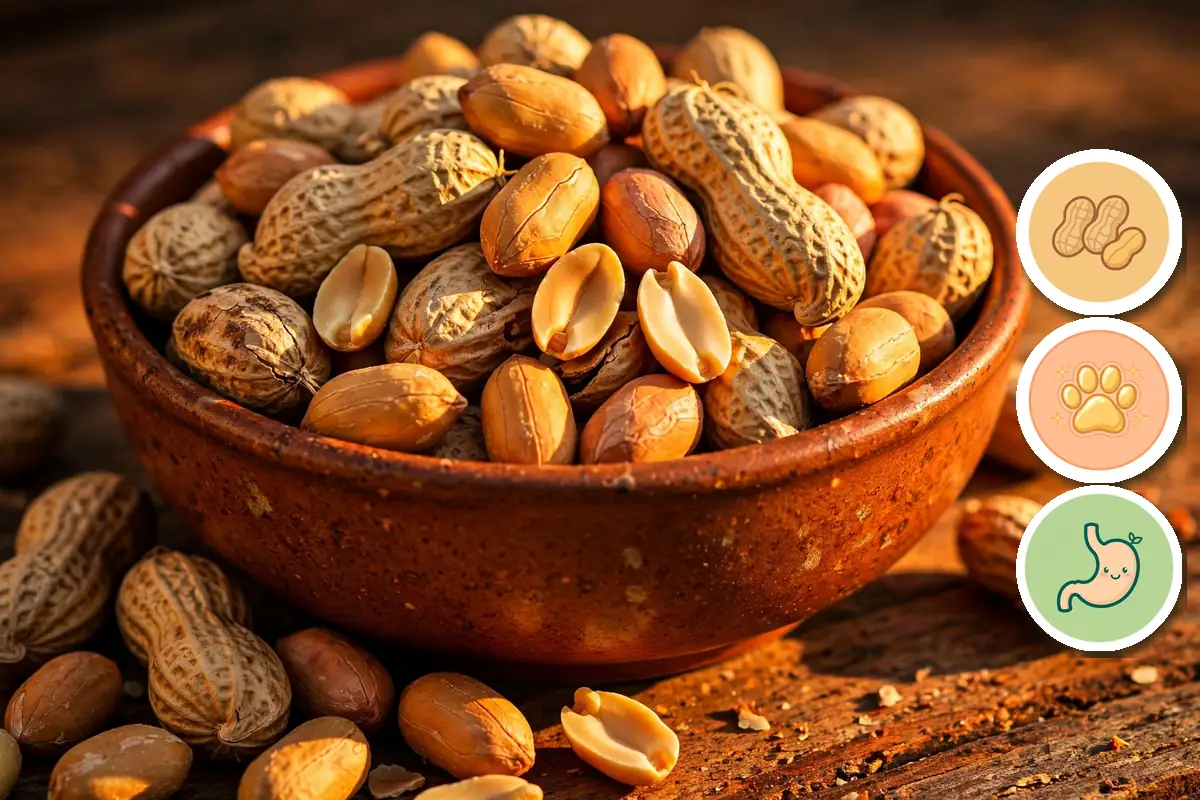
Yes, dogs can eat peanuts, and this often comes as a relief to pet owners who assume all nuts are off-limits. Peanuts are botanically a legume, more closely related to beans and peas than to tree nuts like walnuts or almonds, and they are not included on the list of nuts known to be toxic to dogs, which is limited primarily to macadamia nuts. In their plain, shelled, unsalted form, peanuts can be a reasonable occasional treat and are even used as an ingredient in some dog treats and foods. For more variety in safe snacks, check our guide on whether dogs can eat bananas. As you plan dog-friendly treats, find out whether banana peels is safe for dogs. Curious about other foods? See if mango is safe for dogs.
The safety of a peanut for a dog depends heavily on how it has been prepared. A plain, dry-roasted, shelled peanut with nothing added is a very different food from a heavily salted, honey-coated, or shell-on peanut, even though they all technically come from the same plant.
Nutritional Profile of Peanuts
Peanuts offer a fairly rich nutritional profile for their size.
| Nutrient | Benefit for Dogs |
|---|---|
| Protein | Supports muscle maintenance and repai |
| Vitamin E | Acts as an antioxidant and supports skin health |
| Manganese | Supports bone health and metabolic function |
| Niacin | Supports energy metabolism |
| Healthy fats | Provide energy, though in a concentrated amount |
While peanuts offer some genuine nutrients, a dog already receives everything it needs from a complete and balanced commercial dog food. Peanuts should be viewed as an occasional treat rather than a nutritional necessity, particularly given their fat content.
Calories in Peanuts
Peanuts are calorie dense due to their fat content, which is worth keeping in mind despite their small size.
| Portion | Approximate Calories |
|---|---|
| 1 peanut, shelled | About 5 to 7 calories |
| A small handful (about 10 peanuts) | About 55 to 70 calories |
| 1 tablespoon of peanut butte | About 95 calories |
Because peanuts are fairly calorie dense, it is easy to overfeed them without realizing it. The general treat guideline still applies. Treats, including peanuts, should make up no more than 10 percent of a dog’s total daily calorie intake, and given their fat content, a small number of pieces goes further than it might appear.
Why the Shell Is a Problem
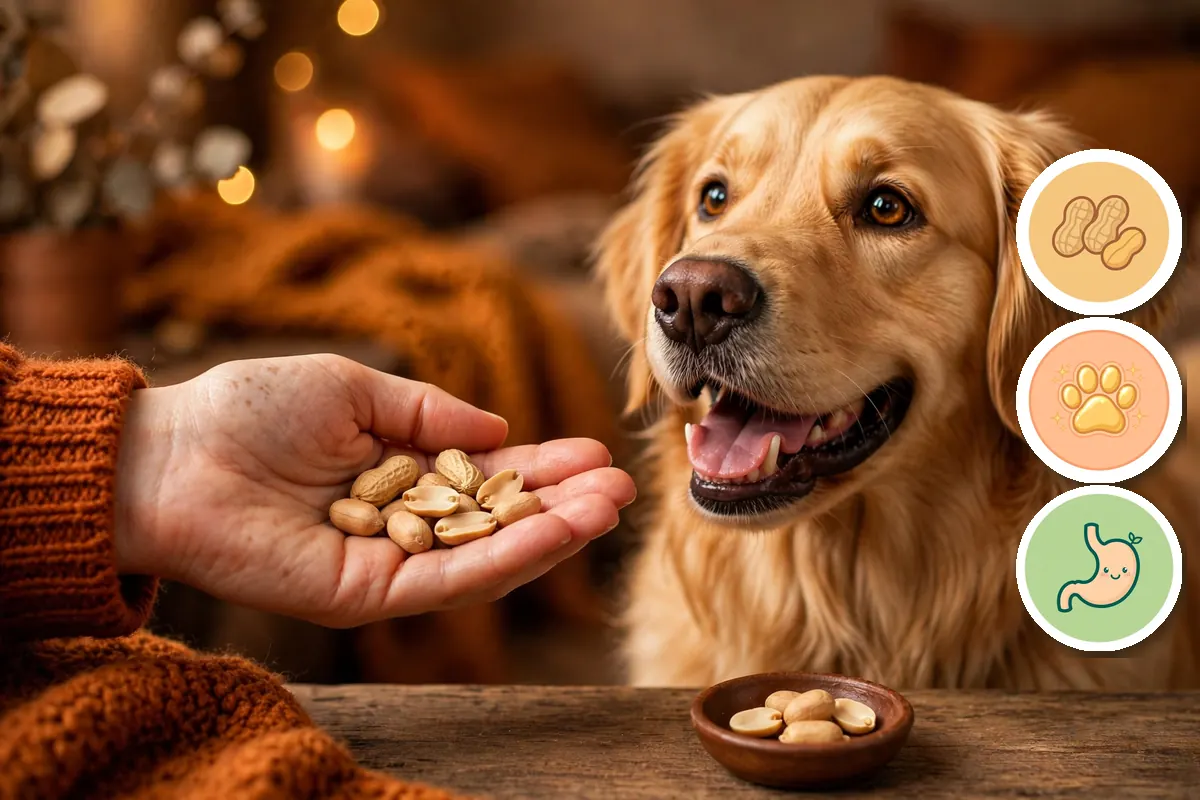
Peanut shells are fibrous, tough, and difficult for a dog to chew thoroughly or digest. Because dogs tend to gulp their food rather than chew it carefully, even a shell-on peanut can be swallowed largely intact. If this happens, shell fragments can scrape the lining of the esophagus or intestines as they pass through, and in some cases, enough shell material can clump together to create a genuine blockage requiring veterinary intervention. Since peanuts grow underground, the shells are also in direct contact with soil and any pesticides or fertilizers used during growing, which is an additional reason to remove them rather than assume a quick rinse is enough. Peanuts should always be given shelled, and if a dog swallows a shell, watch for gagging, repeated vomiting, loss of appetite, or straining, and contact a veterinarian if any of these appear.
Advantages of Feeding Peanuts to Dogs
1. Not a Toxic Nut
Unlike macadamia nuts, peanuts carry no inherent toxin, which means the main considerations are preparation and portion size rather than acute danger.
2. Contains Protein and Vitamin E
These nutrients support muscle maintenance and skin health, even though they are already provided through a complete diet.
3. High-Value Occasional Treat
Many dogs find peanuts highly appealing, which can make a small piece useful as a high-value training reward.
4. Widely Available in a Safe Form
Plain, dry-roasted, unsalted, shelled peanuts are easy to find and require no special preparation beyond removing the shell.
Disadvantages and Risks of Feeding Peanuts to Dogs
1. Shell Is a Choking and Blockage Hazard
As detailed above, the shell should always be removed before offering peanuts to a dog.
2. High in Fat
Peanuts are calorie dense due to their fat content. Regular or excessive feeding can contribute to weight gain and increases the risk of pancreatitis in sensitive dogs.
3. Salt Content in Commercial Peanuts
Many peanuts sold for human consumption are salted. An occasional stray peanut is unlikely to cause harm, but repeated exposure to salted peanuts can contribute to excess sodium intake, and in extreme cases, sodium ion poisoning.
4. Aflatoxin Risk in Raw or Improperly Stored Peanuts
Peanuts grow in warm, humid conditions that can encourage the growth of a mold that produces aflatoxin, a toxin capable of causing liver damage or failure if ingested in a large enough amount. Roasting reduces this risk significantly, and reputable commercial peanuts and peanut butter are routinely tested for aflatoxin, but any peanut that looks moldy or smells off should be discarded rather than fed to a dog.
5. Flavored and Coated Varieties Introduce Separate Risks
Honey roasted, chocolate covered, chili-flavored, and other seasoned peanuts introduce their own concerns. Chocolate is toxic to dogs, added sugar offers no benefit while contributing empty calories, and spicy seasonings can irritate a dog’s digestive system.
6. Peanut Butter May Contain Xylitol
Some peanut butter products use xylitol as a sweetener, and xylitol is highly toxic to dogs, capable of causing a dangerous drop in blood sugar and potentially liver failure. Checking the ingredient label for xylitol, which may also be listed as a sugar alcohol, is essential before sharing any peanut butter with a dog.
7. Rare but Possible Allergy
True peanut allergies in dogs are considered extremely uncommon, with only a small number of documented cases, but a reaction is still possible. Signs can include itchy or red skin, excessive licking, vomiting, diarrhea, or in rare cases, a severe reaction involving swelling or difficulty breathing.
Advantages vs. Disadvantages at a Glance
| Advantages | Disadvantages |
|---|---|
| Not a toxic nut like macadamia | Shell is a choking and blockage hazard |
| Contains protein and vitamin E | High in fat, a pancreatitis risk |
| High-value occasional treat | Commercial peanuts are often salted |
| Widely available in a plain, safe form | Raw or moldy peanuts carry an aflatoxin risk |
| Flavored and coated varieties introduce separate risks | |
| Some peanut butter contains toxic xylitol | |
| Rare but possible allergic reaction |
How Many Peanuts Can a Dog Eat?
Given their fat content, peanuts should be given in small amounts and treated as an occasional treat rather than a regular snack.
| Dog Size | Weight Range | Safe Serving | Frequency |
|---|---|---|---|
| Extra small | 2 to 10 lbs | 1 to 2 peanuts | A few times a week at most |
| Small | 11 to 20 lbs | 2 to 3 peanuts | A few times a week at most |
| Medium | 21 to 50 lbs | 3 to 5 peanuts | A few times a week at most |
| Large | 51 to 90 lbs | 5 to 6 peanuts | A few times a week at most |
| Extra large | 91+ lbs | A small handful of peanuts | A few times a week at most |
As with any new food, it is best to start with a very small amount and monitor for any signs of digestive upset or allergic reaction before offering peanuts again.
Can Dogs Eat Boiled Peanuts?
This depends entirely on how they are prepared. Boiling itself does not make a peanut dangerous, so a few plain, unsalted, home-boiled peanuts with no seasoning would technically be fine as an occasional treat. The problem is that boiled peanuts as they are typically sold, particularly Southern-style boiled peanuts, are brined in a significant amount of salt, sometimes combined with Cajun-style seasoning. This pushes them well beyond what is appropriate for a dog and can contribute to excess sodium intake. Boiled peanuts also still have their shells on, which adds the same choking and blockage concerns discussed earlier. For these reasons, commercially prepared boiled peanuts are best avoided entirely.
Can Dogs Eat Honey Roasted Peanuts?
No, honey roasted peanuts should be avoided. They combine added sugar with salt and sometimes an additional flavored coating, none of which offer any benefit to a dog. The extra sugar contributes empty calories and can lead to weight gain or digestive upset over time, while the added salt carries the same sodium concerns as other seasoned peanuts. Plain, unsalted, dry-roasted peanuts remain the better choice whenever peanuts are offered to a dog.
What About Peanut Butter?
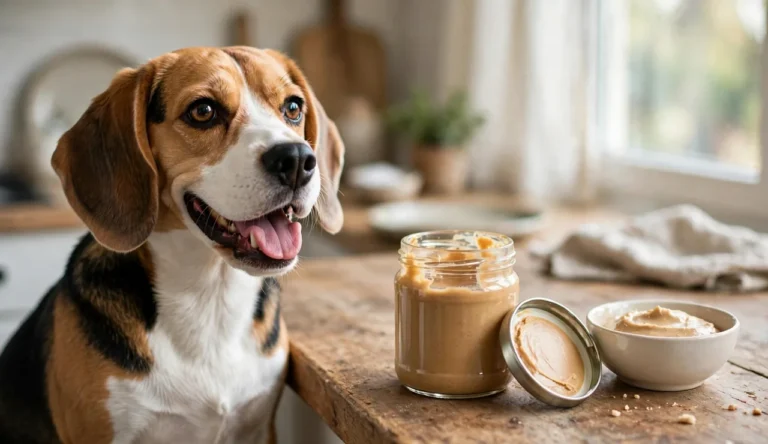
Peanut butter follows similar rules to whole peanuts, with one extra consideration. Because peanut butter is ground smooth, it does not carry the same choking risk as whole peanuts, which makes it a popular way to deliver medication or fill a food puzzle toy. However, some peanut butter brands use xylitol as a sugar substitute, and this ingredient is highly toxic to dogs. Always check the label carefully, looking for peanuts as the only ingredient, or peanuts with a small amount of salt, and avoiding any product that lists xylitol or a sugar alcohol.
What About Other Peanut-Related Products?
A few peanut-adjacent items are worth clarifying, since the names can be misleading. Japanese-style peanuts are coated in a flavored, often salty or sweet shell and should be avoided. Circus peanuts are a marshmallow-based candy that contains no actual peanuts and is essentially pure sugar, so despite the name, they offer nothing beneficial and should not be given to a dog. Packing peanuts, the foam packaging material, are not food at all and pose a serious choking and intestinal obstruction risk if swallowed, unrelated to the food product entirely.
Can Puppies Eat Peanuts?
Puppies can have a very small amount of plain, shelled, unsalted peanut, generally crushed or given as a small piece of peanut butter, once they are eating solid food. Given their smaller size and developing digestive systems, portions should be kept minimal, and it is best to introduce peanuts gradually while watching closely for any sign of digestive upset or allergic reaction.
Peanuts and Dogs with Health Conditions
Certain dogs should approach peanuts with more caution.
| Condition | Consideration |
|---|---|
| Pancreatitis | High fat content is a well-documented trigger for flare-ups and peanuts should generally be avoided |
| Obesity or weight management | Calorie and fat density mean portions should stay small and infrequent |
| Kidney or heart conditions | Salted peanuts should be avoided due to sodium content |
| Known peanut allergy | Peanuts and any peanut product should be avoided entirely |
How to Safely Feed Peanuts to Your Dog
- Choose plain, shelled, dry-roasted or raw peanuts with the only ingredient listed as peanuts.
- Remove the shell completely before offering any peanuts to a dog.
- Avoid salted, honey roasted, chocolate covered, or otherwise flavored peanuts.
- Check any peanut butter label carefully for xylitol before sharing.
- Offer a small amount first and monitor for digestive reaction or allergic response before giving more.
Signs of an Adverse Reaction
Watch for the following after a dog eats peanuts:
- Itchy or red skin, or excessive licking
- Vomiting or diarrhea
- Gas or bloating
- Lethargy
- Signs of choking, gagging, or straining, particularly if a shell was swallowed
- Facial swelling, hives, or difficulty breathing, which can indicate a severe allergic reaction
Seek immediate veterinary care if a dog shows facial swelling, difficulty breathing, or collapse after eating peanuts, and contact a veterinarian promptly if a peanut shell was swallowed or if there is any chance xylitol was involved.
Frequently Asked Questions
Can dogs eat peanuts every day?
It is not recommended. Peanuts are calorie dense due to their fat content, and daily feeding can contribute to weight gain or pancreatitis. A few peanuts a few times a week is a more reasonable guideline.
Can dogs eat peanuts in the shell?
No, the shell should always be removed. It is fibrous, difficult to digest, and can cause choking or an intestinal blockage.
Can dogs eat boiled peanuts?
Plain, home-boiled, unsalted peanuts without the shell would technically be fine in small amounts, but commercially sold boiled peanuts are typically heavily salted and should be avoided.
Can dogs eat honey roasted peanuts?
No, honey roasted peanuts combine added sugar and salt, neither of which benefits a dog, and should be avoided in favor of plain, unsalted peanuts.
Is peanut butter safe for dogs?
Yes, in moderation, as long as it does not contain xylitol. Always check the ingredient label, since some brands use this toxic sweetener.
What is aflatoxin and should I worry about it in peanuts?
Aflatoxin is a mold-produced toxin that can grow on raw or improperly stored peanuts and can cause liver damage. Choosing fresh, human-grade, roasted peanuts and avoiding any that look moldy significantly reduces this risk.
Can dogs be allergic to peanuts?
It is possible but considered extremely rare, with only a small number of documented cases. Signs of an allergic reaction can include itching, hives, vomiting, or in severe cases, difficulty breathing.
Can puppies eat peanuts?
Yes, in a very small, crushed amount or as a small taste of peanut butter once a puppy is eating solid food, introduced gradually and monitored closely for any reaction.