Can Dogs Eat Pistachios?

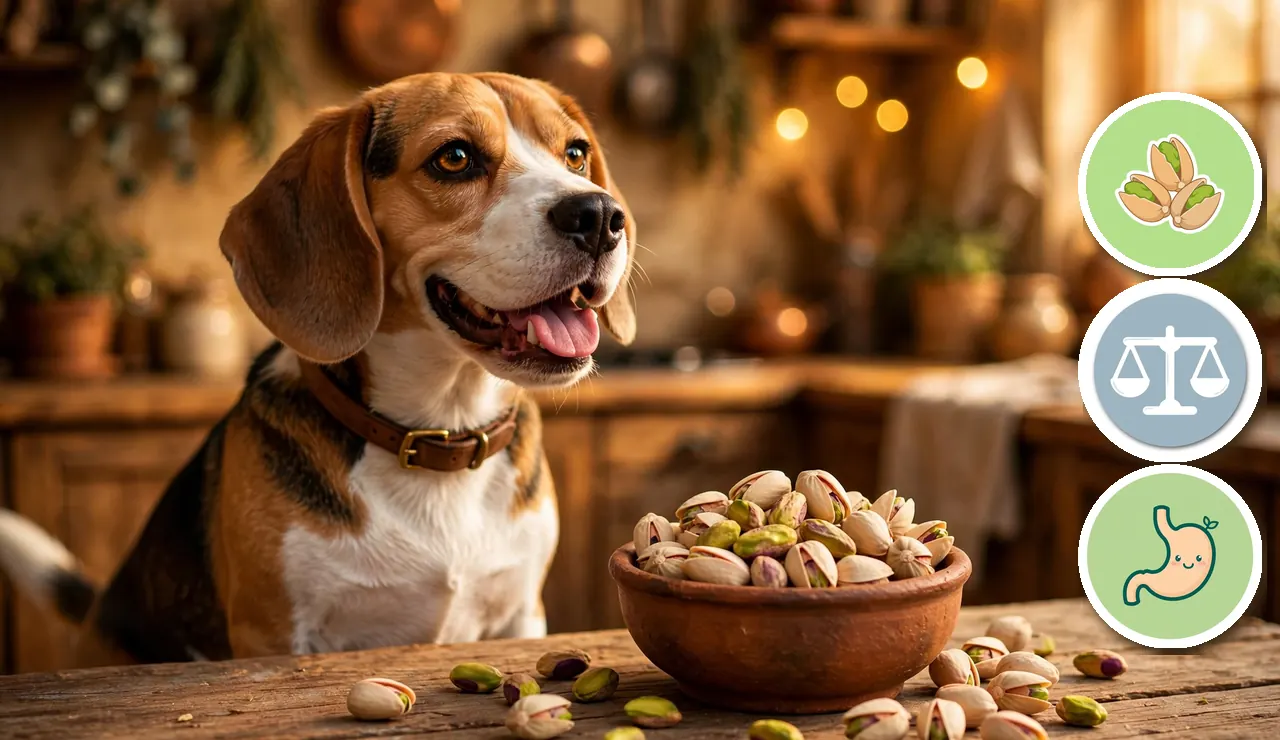
Quick Answer: Pistachios are not classified as acutely toxic to dogs the way macadamia nuts or grapes are, but most veterinarians recommend avoiding them anyway. A single unsalted, shelled pistachio is unlikely to cause serious harm to a healthy dog, but pistachios come with a combination of concerns that add up quickly: they are high in fat, which can trigger pancreatitis, the shells are a genuine choking and intestinal blockage hazard, commercial pistachios are often salted, and pistachios are susceptible to a mold that produces a liver-damaging toxin called aflatoxin. Given these combined risks and the lack of any real nutritional benefit, pistachios are best kept away from dogs entirely.
Key Takeaways
- Pistachios are not acutely toxic like macadamia nuts, but they carry enough combined risk that veterinarians generally recommend avoiding them.
- The shells are hard, sharp when cracked, and a genuine choking and intestinal blockage hazard, since dogs often swallow them whole.
- Pistachios are high in fat, which can trigger pancreatitis, along with contributing to obesity over time.
- Salted pistachios can cause excessive thirst, tremors, and in severe cases, sodium poisoning.
- Pistachios are susceptible to Aspergillus mold, which produces aflatoxin, a potent liver toxin that dogs are more sensitive to than humans.
- Pistachios also contain a compound called urushiol, the same irritant found in poison ivy, which can trigger an allergy-like reaction in some dogs.
Can Dogs Eat Pistachios?
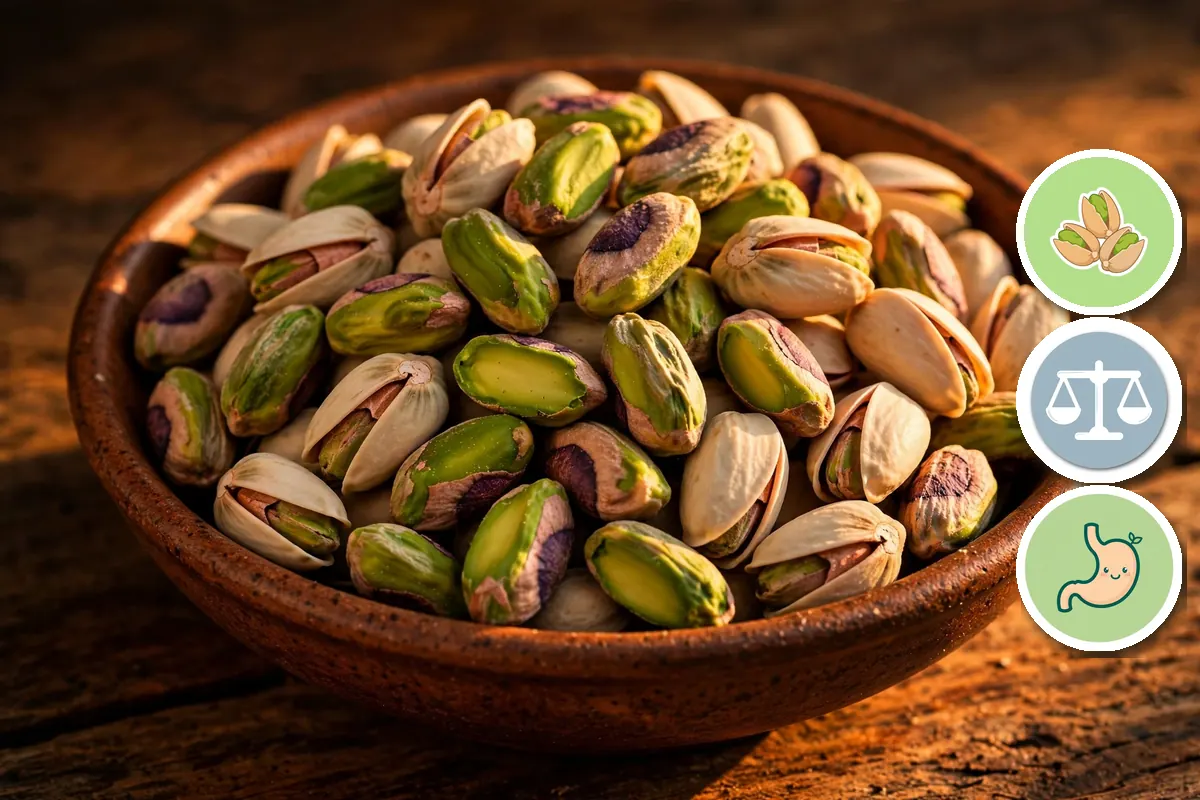
Pistachios sit in a similar category to almonds when it comes to canine safety. They are not on the list of nuts considered acutely poisonous to dogs, which is generally limited to macadamia nuts, but this does not mean they are a good snack choice. A single plain, shelled, unsalted pistachio dropped on the floor and eaten by a healthy adult dog is unlikely to cause a serious problem. The concern is less about a single nut and more about the range of risks that stack up around pistachios as a category, from the way they are typically sold and seasoned to physical characteristics of the nut itself. Many owners also wonder can dogs eat bananas before sharing snacks. As you plan dog-friendly treats, find out whether avocado is safe for dogs. For more variety in safe snacks, check our guide on whether dogs can eat watermelon.
Because pistachios offer no meaningful nutritional advantage that a dog cannot get more safely elsewhere, and because the combination of risks is genuinely significant, most veterinary sources land on the same conclusion: it is best to keep pistachios away from dogs entirely rather than trying to manage a “safe” amount.
Why Pistachio Shells Are a Serious Hazard
Unlike a person, who typically shells a pistachio carefully before eating it, dogs do not reliably do the same. Many dogs will swallow a pistachio shell and all, and the shell itself is hard, rigid, and does not break down in the digestive tract. This creates several distinct dangers: the shell can lodge in the throat and cause choking, it can create a blockage in the intestines that often requires surgery to resolve, and its sharp, irregular edges can scratch or even perforate the delicate lining of the digestive tract as it passes through. If a dog is going to be anywhere near pistachios, using shelled or no-shell varieties is an important precaution, though this still does not eliminate the other concerns discussed below.
Why Pistachios Are High Risk for Pancreatitis
Like most nuts, pistachios are dense in fat. A dog’s digestive system, and specifically the pancreas, is not well suited to processing a sudden, concentrated intake of fat, and this is one of the most common ways nuts in general contribute to pancreatitis, a painful and potentially serious inflammation of the pancreas. Eating a large handful or more of pistachios at once significantly raises this risk, and dogs that are already overweight, prone to digestive sensitivity, or have a history of pancreatitis face an even higher relative danger from the same amount.
Why Salted Pistachios Are Especially Risky
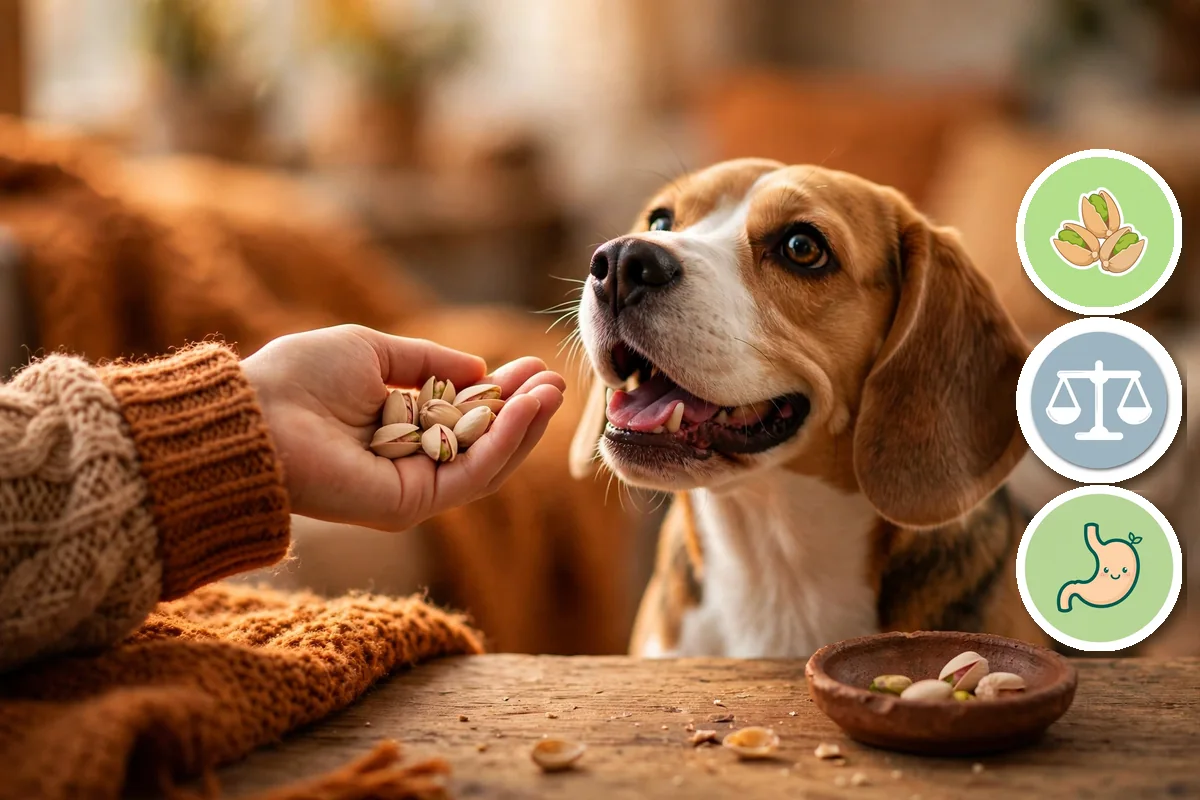
Most pistachios sold for human snacking come salted, and this salt content is a serious additional concern on top of the nut itself. Dogs have a much lower tolerance for sodium than humans, and even a small handful of salted pistachios can deliver more salt than is appropriate. Excess sodium intake can cause excessive thirst, frequent urination, tremors, and in more severe cases, a condition called sodium ion poisoning, which can include vomiting, seizures, and potentially kidney complications. Only plain, unsalted pistachios should ever be considered, and even then, the other risks discussed here still apply.
What Is Aflatoxin and Why Does It Matter for Pistachios?
Aflatoxin is a toxin produced by certain molds, most notably Aspergillus species, that can grow on a range of foods, including nuts, corn, and other grains. Pistachios are specifically susceptible to this type of mold contamination, and the mold can be present even when there is no visible sign of spoilage on the nut itself. Dogs are considered more sensitive to aflatoxin than humans, which means even human-grade pistachios can potentially deliver a meaningful dose relative to a dog’s much smaller body weight. Aflatoxin poisoning primarily affects the liver and can cause weakness, lethargy, loss of appetite, vomiting, yellowing of the eyes or gums, and in severe cases, seizures. Because this kind of contamination is not something that can be identified by looking at a pistachio, and because aflatoxin poisoning can develop somewhat gradually rather than immediately, it is a genuine and somewhat hidden risk associated with feeding pistachios to a dog at all.
Pistachios and Urushiol: An Unexpected Connection
One lesser-known detail about pistachios is that they contain a compound called urushiol, the same irritant compound found in poison ivy, poison oak, and poison sumac. In dogs sensitive to this compound, exposure can trigger an allergy-like reaction, which is a separate concern from the fat, salt, and mold issues already discussed. While this reaction is not universal and does not affect every dog, it adds one more reason why pistachios do not have a clear safety profile the way many other treats do.
Advantages vs. Disadvantages at a Glance
| Advantages | Disadvantages |
|---|---|
| Not acutely toxic like macadamia nuts | Shells are a serious choking and blockage hazard |
| Contains some protein and healthy fats, though not uniquely | High fat content is a pancreatitis risk |
| Salted varieties can cause sodium-related illness | |
| Susceptible to aflatoxin, a potent liver toxin | |
| Contains urushiol, which can trigger an allergy-like reaction | |
| Offers no real nutritional benefit a dog cannot get more safely elsewhere |
Is There a Safe Amount of Pistachios for a Dog?
There is no established, veterinarian-recommended serving size for pistachios, since they are simply not considered a recommended treat. If a dog eats one or two plain, shelled, unsalted pistachios, this is generally not cause for panic in a healthy adult dog, and monitoring for mild gastrointestinal upset over the following day is a reasonable response. If a dog eats a larger quantity, such as a handful or more, ate the shells, or ate salted or flavored pistachios, the situation calls for closer attention and likely a call to a veterinarian, since the risks scale up quickly with volume and preparation.
What to Do If Your Dog Eats Pistachios
- Determine roughly how many pistachios were eaten, and whether they were shelled, salted, or flavored.
- If the amount was small, one or two plain, shelled, unsalted pistachios, monitor the dog for vomiting, diarrhea, or lethargy over the next 24 to 48 hours.
- If the pistachios had shells, were salted, or a large quantity was eaten, contact a veterinarian or the ASPCA Animal Poison Control Center promptly rather than waiting for symptoms.
- Watch for signs of choking, gagging, or difficulty swallowing right after ingestion, which would call for immediate veterinary attention.
- Over the following days, watch for signs of aflatoxin exposure, including lethargy, loss of appetite, vomiting, or yellowing of the gums or eyes, and contact a veterinarian if any of these appear.
- Watch for signs of an intestinal obstruction if shells were eaten, including abdominal pain, bloating, repeated vomiting, or an inability to pass stool, and seek emergency care if these develop.
Can Puppies Eat Pistachios?
No, pistachios should be kept away from puppies with the same or greater caution as adult dogs. A puppy’s smaller size means the fat content, salt, and any potential aflatoxin exposure represent a larger relative dose, and their smaller airways and digestive tracts make the shell-related choking and blockage risks proportionally more dangerous as well.
Pistachios and Dogs with Health Conditions
Certain dogs face a meaningfully higher risk from pistachios and should be kept away from them with particular care.
| Condition | Consideration |
|---|---|
| History of pancreatitis | High fat content is a well-documented trigger for flare-ups |
| Obesity or weight management | Fat and calorie content work against weight management goals |
| Kidney or heart conditions | Salted pistachios pose an added sodium-related risk |
| Liver conditions | Increased vulnerability to aflatoxin-related liver damage |
Better Alternatives to Pistachios for Dogs
If a dog is looking for a satisfying snack, several options offer a similar experience with far less combined risk.
| Alternative | Why It Is a Better Choice |
|---|---|
| Small amounts of plain, shelled, unsalted peanuts | A legume rather than a tree nut, generally considered a gentler option in moderation |
| Plain pumpkin seeds, unsalted and shelled | Lower fat than pistachios, with no shell-swallowing concern once hulled |
| Carrot or cucumber slices | Low calorie with genuine nutritional value and a satisfying crunch |
| Vet-approved commercial dog treats | Formulated specifically to be safe and appropriately portioned for dogs |
How to Prevent Accidental Pistachio Exposure
- Store pistachios in a sealed container well out of a dog’s reach.
- Be especially cautious with pistachio bowls left out during gatherings or while snacking on the couch.
- Dispose of pistachio shells in a covered trash can rather than an open bin.
- Avoid intentionally offering pistachios as a treat or training reward, even the shelled, unsalted variety.
- Check baked goods and trail mixes for pistachios before sharing them with a dog.
Frequently Asked Questions
Are pistachios toxic to dogs?
Not in the acute sense that macadamia nuts or grapes are, but pistachios carry a combination of risks from fat content, shells, salt, and potential aflatoxin contamination that make them unsuitable as a regular treat.
Can one pistachio hurt my dog?
A single plain, shelled, unsalted pistachio is unlikely to cause serious harm to a healthy adult dog, though it is still not something to offer intentionally given the combined risks involved.
Why are pistachio shells dangerous for dogs?
Dogs often swallow pistachio shells whole rather than removing them the way people do. The hard, sharp shells can cause choking, scratch or perforate the digestive tract, and create an intestinal blockage that may require surgery.
What is aflatoxin and why does it matter for pistachios?
Aflatoxin is a liver-damaging toxin produced by certain molds that can grow on pistachios, sometimes without any visible sign of contamination. Dogs are more sensitive to aflatoxin than humans, making this a genuine hidden risk.
Can dogs eat salted pistachios?
No, salted pistachios can deliver more sodium than a dog can safely handle, potentially leading to excessive thirst, tremors, or in severe cases, sodium poisoning.
Do pistachios contain the same compound found in poison ivy?
Yes, pistachios contain urushiol, the irritant compound also found in poison ivy, poison oak, and poison sumac, which can trigger an allergy-like reaction in some sensitive dogs.
What should I do if my dog eats a handful of pistachios?
Contact a veterinarian or an animal poison control center, since a larger quantity increases the risk of pancreatitis, salt-related illness, and potential aflatoxin exposure, especially if the pistachios were salted or included shells.
Can puppies eat pistachios?
No, it is best to keep pistachios away from puppies entirely, since their smaller size makes the fat, salt, shell, and aflatoxin risks proportionally more dangerous.