
Can Dogs Eat Provolone Cheese?

Yes, dogs can eat provolone cheese in small amounts, and it is not classified as toxic. Provolone is an aged Italian cheese that is generally low in lactose, which makes it easier to digest than fresher cheeses for many dogs. However, it is also notably high in sodium, with some estimates putting a 100-gram serving at around 750 milligrams of sodium, several times more than a dog needs in an entire day. Because of this, provolone should be given only in small, occasional amounts, and smoked or seasoned varieties should be avoided entirely.
Key Takeaways
- Provolone is generally low in lactose due to its aging process, making it easier to digest than fresher cheeses for many dogs.
- Provolone is high in sodium, with a 100-gram serving containing roughly 750 milligrams, well beyond what a dog needs daily.
- Smoked provolone should be avoided due to added sodium and potential seasoning additives.
- Only plain provolone with no herbs, garlic, or onion should ever be given to a dog.
- A small, thumbnail-sized piece is a reasonable occasional treat or training reward for most healthy dogs.
- Dogs with kidney disease, heart conditions, or pancreatitis should limit or avoid provolone.
Can Dogs Eat Provolone Cheese?
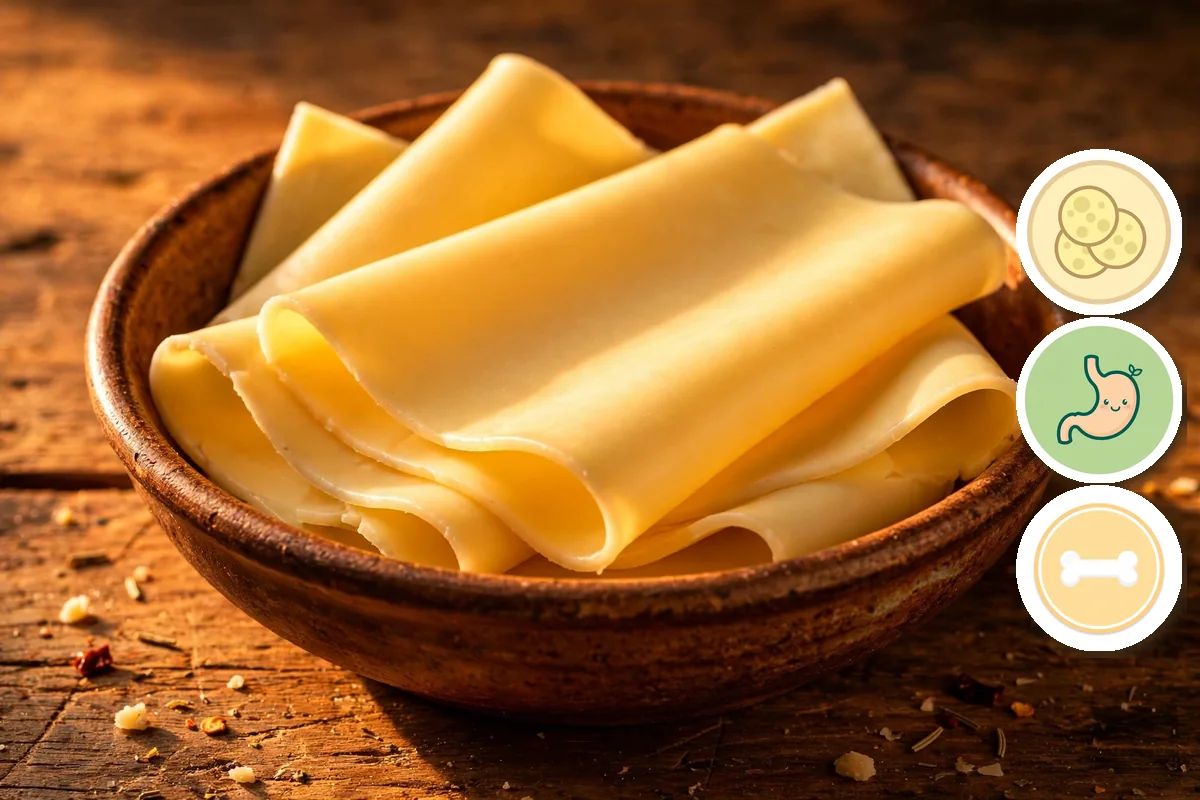
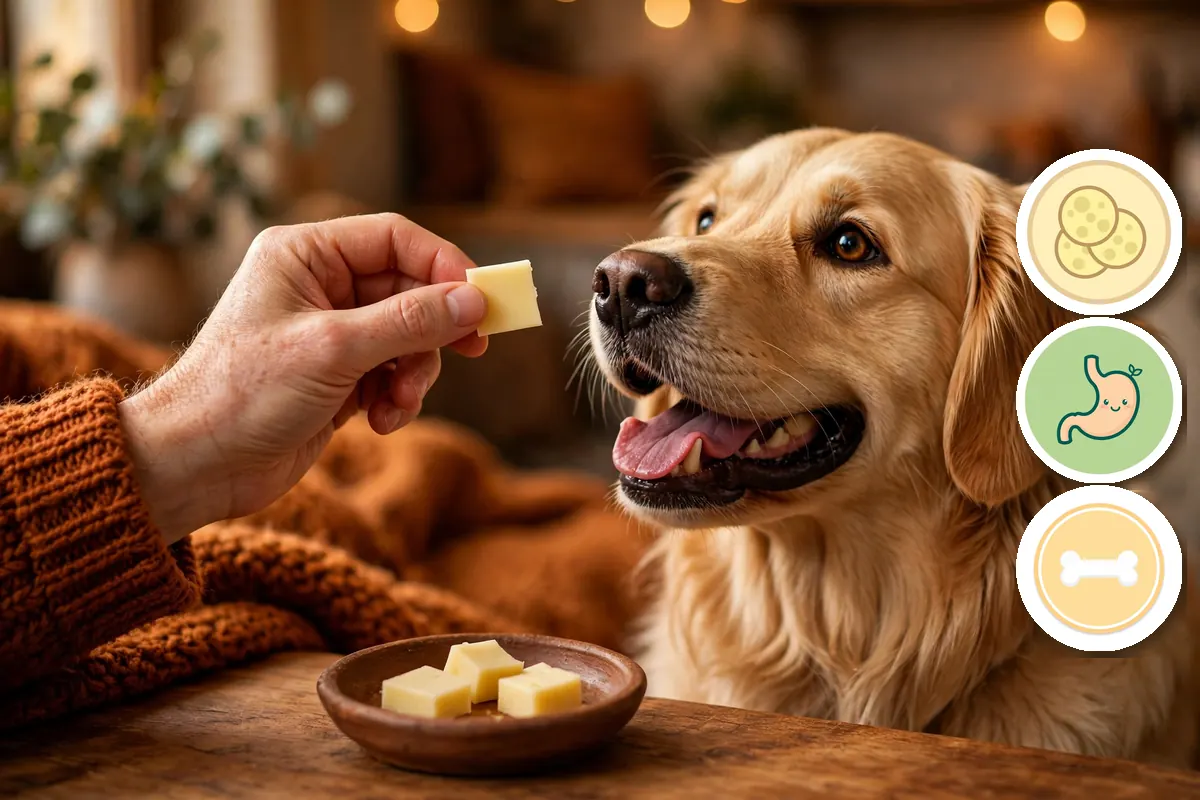
Yes, dogs can eat provolone cheese, and a small, plain piece is generally considered low risk for a healthy dog. Provolone is an aged Italian cheese made from cow’s milk, and like other aged cheeses, much of its natural lactose breaks down during the aging process, which makes it more tolerable for dogs with mild dairy sensitivity than fresh cheeses like ricotta or cream cheese. As you plan dog-friendly treats, find out whether american cheese is safe for dogs. Curious about other foods? See if swiss cheese is safe for dogs.
The tradeoff with provolone is its sodium content, which tends to run higher than many other common cheeses. This makes portion size the main factor to manage, rather than lactose, when deciding how much provolone is appropriate for a dog.
Nutritional Profile of Provolone Cheese
Provolone offers a fairly typical nutritional profile for an aged cheese, alongside its notable sodium content.
| Nutrient | Consideration for Dogs |
|---|---|
| Protein | Supports muscle maintenance and repai |
| Calcium | Supports bone and dental health |
| Vitamin A | Supports vision and immune function |
| Fat | Present in a meaningful amount, contributing to pancreatitis risk |
| Sodium | Present in high amounts and the primary reason for caution |
While provolone does offer protein and calcium, a dog already receives everything it needs from a complete and balanced commercial dog food. Provolone should be viewed as an occasional flavor treat rather than a nutritional addition.
Sodium and Calories in Provolone Cheese
Provolone stands out among common cheeses for its notably high sodium content relative to serving size.
| Portion | Approximate Calories | Approximate Sodium |
|---|---|---|
| 1 small cube (about ½ inch) | About 20 calories | About 60 to 75 mg |
| 1 slice (standard) | About 100 calories | About 245 mg |
| 1 ounce (about 28 grams) | About 100 calories | About 210 to 245 mg |
For context, a healthy dog generally needs only a small fraction of the sodium a human requires each day, an amount already met by a complete and balanced dog food. A single slice of provolone can already represent a significant portion of a small dog’s entire daily sodium intake, which is why portion size matters more with this cheese than its mild flavor might suggest.
Advantages of Feeding Provolone Cheese to Dogs
1. Generally Low in Lactose
The aging process used to make provolone breaks down much of its lactose, making it more tolerable for dogs with mild dairy sensitivity than fresher cheeses.
2. Firm Texture Makes It Easy to Portion
Provolone’s firm texture makes it simple to cut into small, consistent pieces for training treats or to help hide medication.
3. Mild Flavor Many Dogs Enjoy
Provolone has a relatively mild, savory flavor that many dogs find appealing without being as sharp or overpowering as some other aged cheeses.
4. Contains Protein and Calcium
These nutrients support muscle and bone health, even though they are already provided through a complete diet.
Disadvantages and Risks of Feeding Provolone Cheese to Dogs
1. High in Sodium
Provolone’s sodium content is notably higher than many other cheeses. Excess sodium intake can lead to increased thirst and urination, and in more extreme or repeated cases, can contribute to sodium-related health issues that place strain on the heart and kidneys.
2. High in Fat
Provolone contains a meaningful amount of fat, which can contribute to pancreatitis in sensitive dogs if given in large amounts or too frequently.
3. Smoked Varieties Add Further Concern
Smoked provolone typically carries even more sodium than the regular variety, and it may be paired with seasonings that are not appropriate for dogs. Regular, unsmoked provolone is always the safer choice.
4. Some Provolone Contains Additives
Certain commercial provolone products may include herbs, spices, or other flavorings. Checking the ingredient label carefully is important, since garlic and onion powder are toxic to dogs and can appear in seasoned cheese products.
5. Choking Hazard From Large Pieces
Large chunks of provolone can pose a choking risk, particularly for small dogs or dogs that swallow food quickly without chewing. Cutting it into small, appropriately sized pieces reduces this risk.
6. Not a Nutritional Requirement
Provolone is a supplemental treat, not a required part of a dog’s diet. A complete and balanced commercial dog food already provides everything a dog needs.
Advantages vs. Disadvantages at a Glance
| Advantages | Disadvantages |
|---|---|
| Generally low in lactose | High in sodium |
| Firm texture, easy to portion | High in fat, a pancreatitis risk |
| Mild flavor many dogs enjoy | Smoked varieties carry added sodium and seasoning risk |
| Contains protein and calcium | Some products contain additives like garlic or onion |
| Large pieces are a choking hazard | |
| Not nutritionally required |
How Much Provolone Cheese Can a Dog Eat?
Given its high sodium content, provolone should be given in smaller amounts than its mild flavor might suggest.
| Dog Size | Weight Range | Safe Serving | Frequency |
|---|---|---|---|
| Extra small | 2 to 10 lbs | A thumbnail-sized piece | A few times a week at most |
| Small | 11 to 20 lbs | A small cube | A few times a week at most |
| Medium | 21 to 50 lbs | 1 to 2 small cubes | A few times a week at most |
| Large | 51 to 90 lbs | 2 to 3 small cubes | A few times a week at most |
| Extra large | 91+ lbs | A small handful of small cubes | A few times a week at most |
As with any new food, it is best to start with a small amount and monitor closely for any signs of digestive upset before offering provolone again.
Is Smoked Provolone Safe for Dogs?
No, smoked provolone is best avoided. The smoking process tends to increase the cheese’s sodium content compared to the regular variety, and smoked cheese products are sometimes paired with additional seasonings that may not be safe for dogs. Plain, regular provolone remains the better choice whenever provolone is offered to a dog.
What Should I Do If My Dog Steals a Large Piece of Provolone?
If a dog manages to snatch a slice or a larger piece off a counter or plate, this is unlikely to cause serious harm to most healthy adult dogs in a single instance. Check whether the cheese contained any seasoning, particularly garlic or onion, and contact a veterinarian promptly if it did. Otherwise, monitor for signs of digestive upset, such as vomiting, diarrhea, or excessive thirst, over the following several hours, and offer plenty of fresh water. Contact a veterinarian if the dog is very small, has an existing health condition, or shows persistent or worsening symptoms.
Can Puppies Eat Provolone Cheese?
It is best to be cautious with provolone for puppies. Their smaller size makes them more sensitive to sodium intake relative to body weight, and their digestive systems are still developing. If provolone is offered at all, it should be an extremely small amount, and a gentler, lower-sodium cheese like cottage cheese is generally a better choice for puppies.
Provolone and Dogs with Health Conditions
Certain dogs should approach provolone cheese with more caution or avoid it entirely.
| Condition | Consideration |
|---|---|
| Kidney disease | High sodium content can place significant strain on the kidneys |
| Heart conditions | Excess sodium can contribute to fluid retention and cardiovascular strain |
| Pancreatitis | Fat content is a well-documented trigger for flare-ups |
| Obesity or weight management | Calorie and fat content work against weight management goals |
How to Safely Feed Provolone Cheese to Your Dog
- Choose plain, regular provolone with no herbs, garlic, or onion seasoning.
- Avoid smoked provolone varieties.
- Cut the cheese into small, appropriately sized pieces for the dog’s size.
- Offer a small amount first and monitor for digestive reaction before giving it again.
- Keep frequency to a few times a week at most, given the sodium content.
Signs of an Adverse Reaction or Excess Sodium Intake
Watch for the following after a dog eats provolone cheese:
- Increased thirst and urination
- Vomiting or diarrhea
- Lethargy
- Abdominal pain or decreased appetite
- Tremors, in cases of significant sodium intake
Seek veterinary attention if a dog eats a large amount of provolone, especially a seasoned or smoked variety, or shows signs of excessive thirst, tremors, or persistent digestive upset.
Frequently Asked Questions
Can dogs eat provolone cheese every day?
It is not recommended, given its high sodium content. A small piece a few times a week is a more reasonable guideline than daily feeding.
Why is provolone considered risky if it’s low in lactose?
While provolone’s aging process makes it easier to digest in terms of lactose, it is notably high in sodium, which is the main reason it should be given in small, limited amounts.
Can dogs eat smoked provolone cheese?
It is best avoided. Smoked provolone typically carries more sodium than the regular variety and may be seasoned in ways that are not safe for dogs.
How much sodium is in provolone cheese?
Estimates suggest around 750 milligrams of sodium per 100 grams of provolone, which can be several times more than a dog’s typical daily sodium needs from food.
What should I do if my dog eats a lot of provolone cheese?
Check if the cheese was seasoned with garlic or onion and contact a veterinarian if so. Otherwise, monitor for digestive upset and excessive thirst, and contact a veterinarian if symptoms are severe or persistent.
Can puppies eat provolone cheese?
It is best to be cautious. Puppies are more sensitive to sodium relative to their smaller size, so a lower-sodium cheese like cottage cheese is generally a better choice.
Is provolone cheese safe for dogs with kidney disease?
No, the high sodium content can place significant strain on the kidneys, so it should be avoided for dogs with kidney disease.
How much provolone cheese can a dog have?
A thumbnail-sized piece to a small handful of small cubes, depending on the dog’s size, given a few times a week at most, is a reasonable guideline for most healthy dogs.