What Veggies Can Dogs Eat?

Quick Answer: Yes, dogs can eat many vegetables, and most of them are healthy, low-calorie treats. Safe choices include carrots, green beans, broccoli, sweet potato, peas, and cucumber. Some vegetables are toxic, though, so you must know which ones to avoid. Onions, garlic, leeks, and chives are dangerous for dogs and should never be fed in any amount.
Key Takeaways
- Many vegetables are safe and healthy for dogs, including carrots, green beans, broccoli, and peas.
- Onions, garlic, leeks, and chives are toxic to dogs and must never be fed.
- Vegetables should be served plain, with no salt, butter, garlic, or seasoning.
- Some vegetables need cooking, such as sweet potato, while others can be eaten raw.
- Vegetables should make up no more than 10 percent of your dog’s daily calories.
- Always cut vegetables into small pieces to prevent choking, especially for small dogs.
What Veggies Can Dogs Eat?
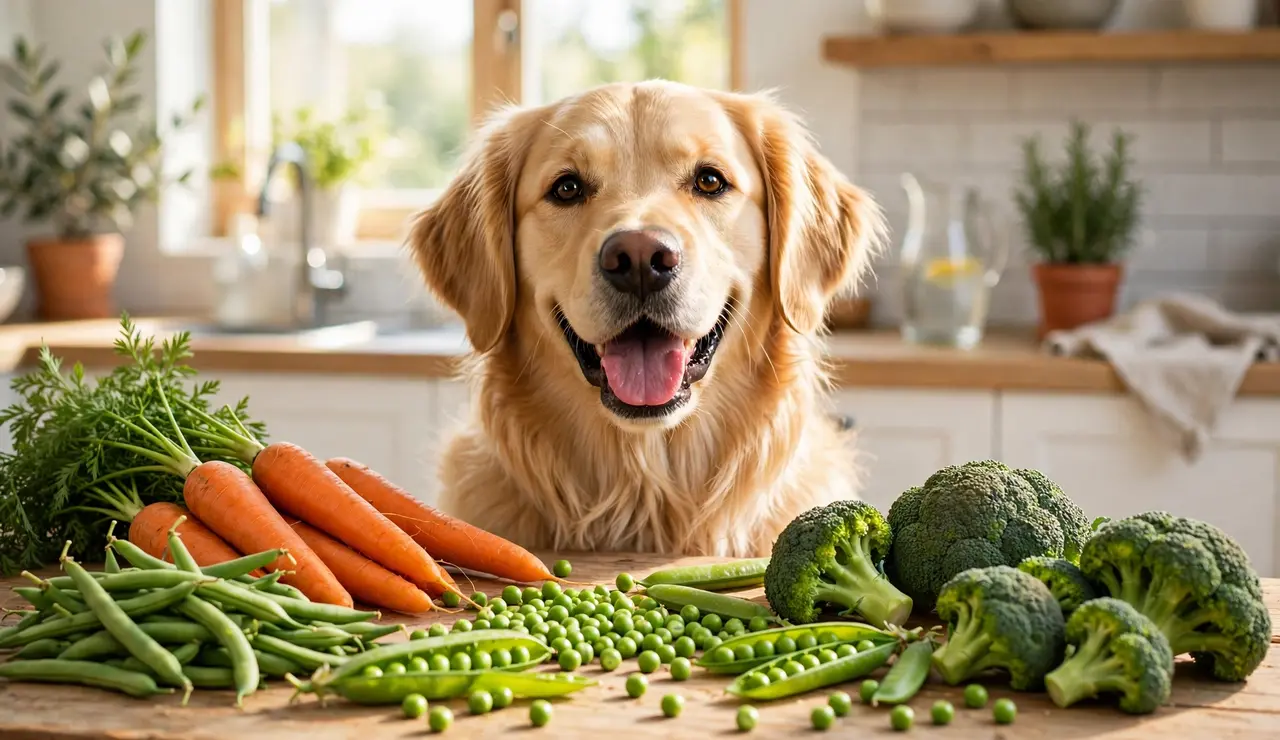
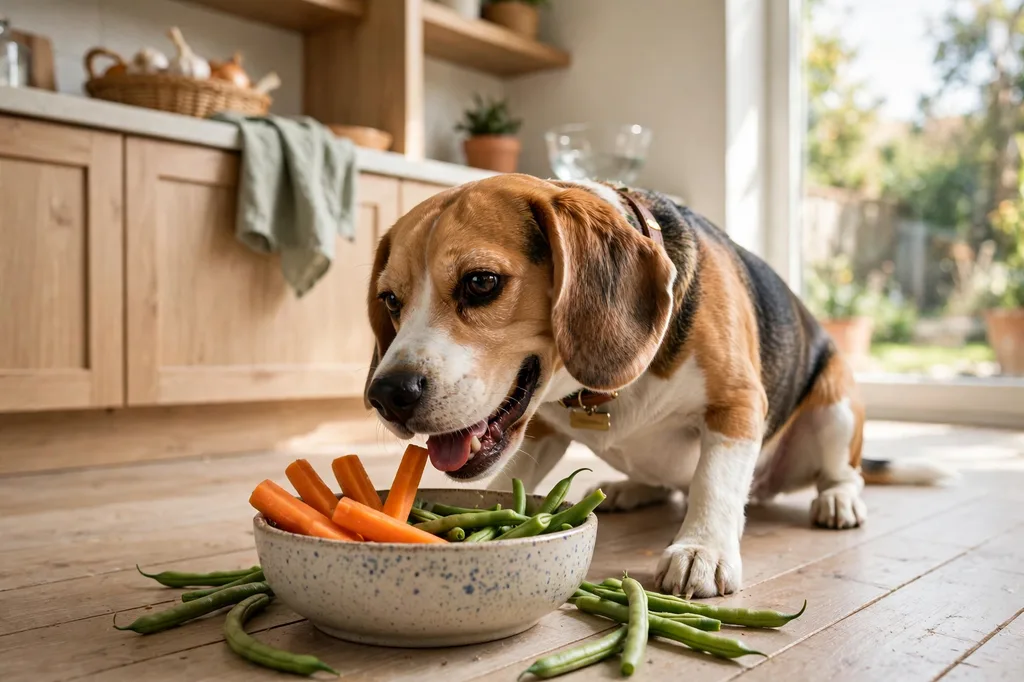
Dogs can eat a wide range of vegetables, and most of them make excellent low-calorie treats. Carrots, green beans, broccoli, sweet potato, peas, cucumber, spinach, pumpkin, and celery are all safe when served plain and in reasonable amounts. These vegetables add fiber, vitamins, and minerals to your dog’s diet, and they help keep your dog full without adding many calories. Many vets recommend vegetables as training treats for overweight dogs.
The most important rule is to serve vegetables plain. That means no salt, no butter, no garlic, and no seasoning of any kind. Vegetables cooked in sauces or stir-fried with onion and garlic can be dangerous. Raw vegetables are fine for some types, such as carrots and cucumber, but others, such as sweet potato, must be cooked before serving.
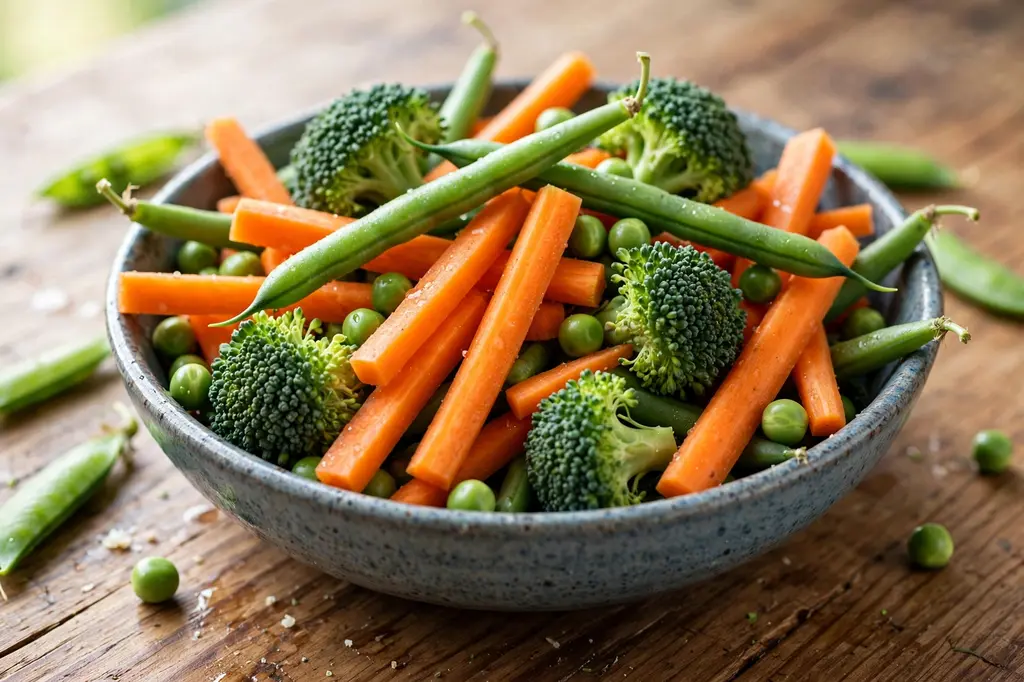
Not every vegetable is safe, and the dangerous ones are easy to remember because they mostly belong to one family. Onions, garlic, leeks, chives, and shallots are all toxic to dogs and can damage red blood cells. Raw potatoes and raw aubergine also contain compounds that can upset the stomach. If you are ever unsure about a vegetable, check before you serve it, and stick to the safe list in this guide. A simple safe choice is steamed broccoli florets as a crunchy low-calorie treat for your dog.
Safe Vegetables for Dogs
| Vegetable | Key Nutrients | Best Way to Serve |
|---|---|---|
| Carrots | Vitamin A, fiber, beta-carotene | Raw sticks or steamed coins |
| Green beans | Fiber, vitamin C, vitamin K | Steamed or raw, cut into pieces |
| Broccoli | Vitamin C, vitamin K, fiber | Steamed florets in small amounts |
| Sweet potato | Vitamin A, fiber, potassium | Cooked and mashed, never raw |
| Peas | Protein, fiber, vitamin B | Steamed or thawed from frozen |
| Cucumber | Water, vitamin K, low calories | Peeled slices, raw |
| Pumpkin | Fiber, vitamin A, potassium | Cooked and mashed, plain |
| Spinach | Iron, vitamin K, folate | Steamed leaves in small amounts |
Calories in Vegetables
Most vegetables are very low in calories, which is one of the reasons they make such good treats for dogs. Carrots contain about 41 calories per 100 grams, green beans about 31, and cucumber only about 15. Sweet potato is higher at around 86 calories per 100 grams, but it is still much lighter than most shop-bought treats. Because vegetables are so light, you can give your dog a satisfying portion without using up the whole treat allowance.
Benefits of Feeding Vegetables to Dogs
1. Low in Calories for Weight Control
Most vegetables are low in calories and high in water and fiber, which helps dogs feel full without gaining weight. This makes them ideal for overweight dogs that need to cut calories but still want treats. Replacing half of a dog’s biscuit treats with carrot sticks or green beans can make a real difference over time.
2. Rich in Fiber for Digestion
Vegetables are one of the best sources of fiber in a dog’s diet. Fiber supports smooth digestion, regular bowel movements, and a healthy gut. It also feeds the friendly bacteria in the gut, which play a big role in overall digestive health and immunity.
3. Packed With Vitamins and Minerals
Different vegetables bring different nutrients, so variety is valuable. Carrots provide vitamin A for vision, broccoli provides vitamin C for immunity, and spinach provides iron for healthy blood. Feeding a mix of safe vegetables gives your dog a wider range of nutrients than any single vegetable alone.
4. Natural Antioxidants for Health
Colorful vegetables contain antioxidants that help protect cells from damage and support the immune system. Orange vegetables such as carrots and sweet potato are rich in beta-carotene, while green vegetables provide lutein and other protective compounds. These nutrients may help slow the effects of aging in older dogs.
5. Crunchy Texture for Teeth and Fun
Raw vegetables such as carrots and celery give dogs a satisfying crunch that can help clean teeth and keep them busy. Chewing crunchy foods also provides mental stimulation and reduces boredom. Always supervise your dog with hard vegetables and cut them to a safe size for their breed.
Risks and Disadvantages of Vegetables for Dogs
1. Toxic Vegetables in the Allium Family
Onions, garlic, leeks, chives, and shallots are toxic to dogs in all forms, whether raw, cooked, or powdered. They damage red blood cells and can cause anemia, with symptoms such as weakness, pale gums, and lethargy. The risk grows with repeated exposure, so even small amounts eaten often can become a problem.
2. Choking on Hard Pieces
Hard raw vegetables such as carrots and celery can be a choking hazard if they are served in large chunks, especially for small dogs and puppies. Dogs often swallow food without chewing it properly. Always cut vegetables into pieces that suit your dog’s size, and supervise them while they eat.
3. Gas and Stomach Upset
Vegetables such as broccoli, cauliflower, and cabbage can cause gas and bloating, because they contain complex sugars that dogs cannot fully digest. Eating too many vegetables at once can also cause loose stools. Start with small amounts and increase slowly so your dog’s gut can adjust.
4. Too Much Fiber Can Backfire
Fiber is healthy in moderation, but too much can interfere with the absorption of other nutrients and cause diarrhea. Vegetables should be a supplement to a balanced diet, not a replacement for it. If your dog’s stools become loose after eating vegetables, cut the portion back.
5. Seasoning and Cooking Dangers
The vegetable itself may be safe, but the way it is cooked can make it dangerous. Vegetables fried in oil, cooked with garlic and onion, or covered in butter and salt are not safe for dogs. Always serve vegetables plain, with no seasoning, oil, or sauce of any kind.
Can Dogs Eat Raw Vegetables?
Yes, dogs can eat some raw vegetables, including carrots, cucumber, celery, and green beans. Raw vegetables keep their crunch and are easy to serve as treats. Other vegetables, such as sweet potato and potatoes, must always be cooked, because the raw versions are hard to digest and contain compounds that can upset the stomach. Broccoli can be eaten raw or steamed, but steaming makes it easier to digest.
Can Dogs Eat Vegetables Every Day?
Yes, dogs can eat safe vegetables every day, as long as the total amount stays within the 10 percent treat rule. A daily handful of green beans or a few carrot sticks is a healthy habit for most dogs. Variety is important, so rotate between different safe vegetables rather than feeding the same one every day. If your dog eats a lot of vegetables, make sure their main meals still provide the protein and fat they need.
Can Dogs Eat Frozen Vegetables?
Yes, dogs can eat frozen vegetables, and they make a great summer treat. Frozen peas, green beans, and carrot pieces can be served thawed or still frozen as a cooling snack. Frozen vegetables should be cut to a safe size, because a large frozen chunk can be a choking hazard for small dogs. For a soft cooked option, mashed sweet potato is a gentle vegetable treat that most dogs love.
How Much Vegetables Can a Dog Eat?
Vegetables should be a small part of the diet, not a meal on their own. The amounts below are a guide for mixed safe vegetables per day, served plain and cut to size. If your dog is new to vegetables, start with half the amount shown and increase slowly over a week.
| Dog Size | Weight | Vegetables per Day |
|---|---|---|
| Extra small | Under 5 kg | 2 to 3 small pieces |
| Small | 5 to 10 kg | 1 small handful |
| Medium | 10 to 25 kg | 1 handful |
| Large | 25 to 45 kg | 2 handfuls |
| Giant | Over 45 kg | 3 handfuls |
Can Puppies Eat Vegetables?
Yes, puppies can eat small amounts of safe vegetables once they are eating solid food, usually from about eight weeks old. Soft cooked vegetables such as sweet potato and peas are the easiest for puppies to digest, while hard raw carrots should be cut very small. Keep the pieces tiny and watch for any stomach upset afterwards. Puppies have delicate digestive systems, so vegetables should be a rare treat rather than a daily habit at first.
How to Safely Feed Vegetables to Your Dog
Start with one vegetable at a time, so you can see how your dog reacts to it before adding another. Wash all vegetables well, peel them if needed, and cut them into pieces that suit your dog’s size. Cook the vegetables that need cooking, such as sweet potato, until soft, and serve everything plain with no seasoning. Introduce new vegetables slowly, one at a time, over several days.
Ways to Serve
- Serve raw carrot sticks as a crunchy training reward.
- Steam green beans and mix them into your dog’s kibble.
- Mash cooked sweet potato as a soft meal topper.
- Freeze peas and cucumber slices for a summer treat.
- Stuff steamed broccoli florets into a hollow chew toy.
Vegetables Dogs Must Never Eat
| Vegetable | Why It Is Dangerous | Symptoms to Watch For |
|---|---|---|
| Onions | Toxic, damages red blood cells | Weakness, pale gums, vomiting |
| Garlic | Toxic, can cause anemia | Lethargy, pale gums, collapse |
| Leeks | Toxic, same family as onions | Vomiting, diarrhea, weakness |
| Chives | Toxic, damages red blood cells | Weakness, loss of appetite |
| Raw potatoes | Contains solanine, hard to digest | Stomach pain, vomiting, diarrhea |
Frequently Asked Questions
What vegetables are best for dogs?
Carrots, green beans, broccoli, sweet potato, peas, and cucumber are among the best vegetables for dogs. They are low in calories, rich in fiber and vitamins, and easy to serve plain.
Can dogs eat vegetables instead of meat?
No, dogs cannot eat vegetables instead of meat. Dogs need animal protein for essential amino acids that vegetables cannot provide. Vegetables should be a healthy extra alongside a meat-based diet, not a replacement for it.
Can dogs eat corn on the cob?
Dogs can eat corn kernels, but they must never eat the cob. The cob can cause a dangerous blockage in the gut if swallowed, and it often needs surgery to remove. Always cut the kernels off the cob before serving, and offer peeled cucumber slices as a safer crunchy snack instead.
Can dogs eat cabbage?
Yes, dogs can eat cabbage in small amounts, but it can cause a lot of gas. Cabbage is rich in fiber and vitamins, so a few small pieces are fine. Serve it steamed or raw in small amounts, and skip it if your dog gets bloated.
Can dogs eat lettuce?
Yes, dogs can eat lettuce, and it is very low in calories. Lettuce is mostly water, so it adds little nutrition, but it can be a light, crunchy snack. Wash the leaves well and serve them plain, in small pieces.
What should I do if my dog ate onions?
Call your vet right away, even if your dog seems fine. Onion poisoning can take hours or days to show symptoms, and early treatment makes a big difference. Do not wait for symptoms to appear, and do not try to treat it at home.