
Can Dogs Eat Sweet Peas?

Quick Answer: No, dogs should not eat sweet peas. Despite the name, sweet peas are not an edible vegetable at all. Sweet pea, scientifically known as Lathyrus odoratus, is a fragrant, flowering ornamental plant commonly grown in gardens for its colorful blooms, and it is genuinely toxic to dogs. Every part of the plant, including the seeds found inside its pods, contains a compound that can cause lethargy, loss of appetite, and neuromuscular symptoms such as stumbling, circling, or seizures if eaten in a large enough amount or repeatedly over time.
Key Takeaways
- Sweet pea is an ornamental flowering plant, not an edible vegetable, despite sharing part of its name with garden peas.
- The entire plant, including the seeds inside its pods, contains a toxic compound and should be kept away from dogs.
- Eating a large amount can cause loss of appetite, lethargy, and neuromuscular symptoms like stumbling, circling, or seizures.
- Repeated ingestion over time can lead to a condition called lathyrism, which can cause lasting muscle weakness or paralysis.
- Sweet pea should never be confused with edible garden peas, snap peas, or snow peas, which are safe for dogs in moderation.
- If a dog eats any part of a sweet pea plant, contact a veterinarian promptly, especially if a meaningful amount was consumed.
Can Dogs Eat Sweet Peas?
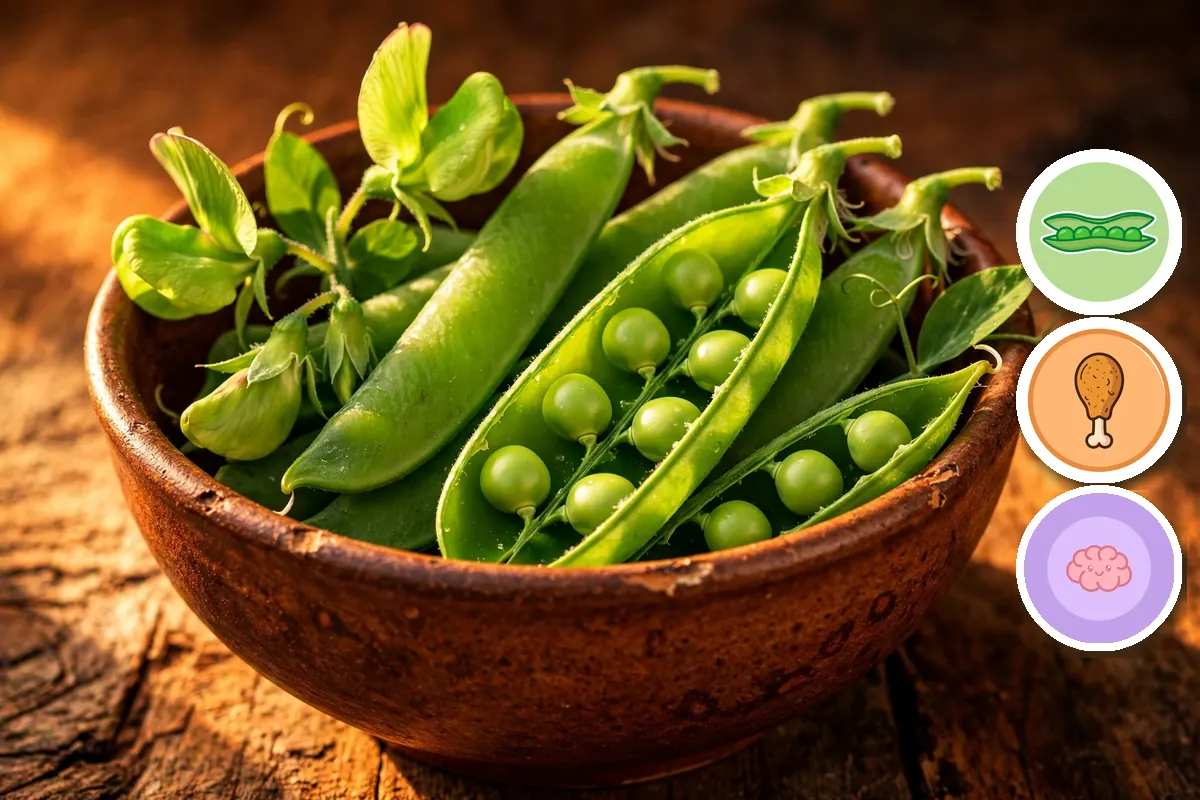
No, dogs should not eat sweet peas, and this is an important point to clarify given how easily the name can be mistaken for an edible vegetable. Sweet pea, or Lathyrus odoratus, is an ornamental flowering plant in the same broader legume family as edible peas, but it is grown for its fragrant, colorful blooms rather than for food. Unlike garden peas, snap peas, or snow peas, which are genuinely safe for dogs in moderation, sweet pea is classified as toxic by veterinary poison control resources. Many owners also wonder can dogs eat cucumbers before sharing snacks. Curious about other foods? See if broccoli is safe for dogs. Curious about other foods? See if celery is safe for dogs.
The toxicity comes from compounds present throughout the entire plant, including the seeds that form inside pods after the flowers fade. These seeds can look somewhat similar to edible pea pods to an untrained eye, which is part of why this particular plant creates real confusion for pet owners who may not realize their garden flower and their dinner vegetable share a name but nothing else.
Why Sweet Peas Are Toxic
Sweet pea contains a compound called beta-aminopropionitrile, sometimes abbreviated as BAPN, which interferes with an enzyme involved in forming healthy collagen, the protein that provides structure to connective tissue throughout the body. When ingested in large amounts or repeatedly over time, this disruption can affect muscles, joints, and blood vessel walls, leading to a condition known as lathyrism, historically documented in animals that grazed heavily on Lathyrus plants. This is a genuinely different toxin from the compound found in a related but distinct plant, grass pea (Lathyrus sativus), which affects the nervous system rather than connective tissue, though both fall under the general term lathyrism and are sometimes discussed together.
Grazing livestock and free-ranging poultry are considered at higher risk for sweet pea poisoning than typical household pets, largely because they are more likely to consume large quantities of the plant repeatedly over an extended period. However, this does not mean dogs are safe from the plant. A dog that eats a meaningful amount of sweet pea, whether from a single large ingestion or repeated smaller exposures in a garden, can still experience real symptoms and should be evaluated by a veterinarian.
Symptoms of Sweet Pea Poisoning
Watch for the following signs if a dog has access to sweet pea plants or is known to have eaten one:
- Loss of appetite
- Lethargy
- Vomiting and diarrhea
- Lameness or difficulty walking normally
- Stumbling or a loss of coordination
- Circling
- Seizures, in more severe cases
- With repeated exposure over time, muscle weakness or paralysis consistent with lathyrism
Symptoms tend to correlate with how much of the plant was eaten and whether the exposure was a single large amount or repeated smaller amounts over time. A dog that nibbles a single leaf while walking through a garden is facing a very different level of risk than a dog that has consistent, unsupervised access to a bed of sweet peas over several days or weeks.
What to Do If Your Dog Eats Sweet Pea

- Remove the dog from the area and prevent further access to the plant.
- If possible, take a sample of the plant, including a flower, leaf, or pod if available, to help with identification at the veterinary clinic.
- Contact a veterinarian or an animal poison control center, particularly if a meaningful amount of the plant was eaten or if any symptoms are present.
- Watch closely for lethargy, loss of appetite, vomiting, diarrhea, stumbling, circling, or seizures.
- Be prepared to share details about how much of the plant may have been accessible and how long the dog may have had access to it, since repeated exposure is treated differently than an isolated incident.
Veterinary treatment for sweet pea ingestion is generally supportive, and may include intravenous fluids to help flush the toxin from the body and prevent dehydration, along with monitoring and symptomatic care based on how the dog is presenting.
How Is This Different From Edible Peas?
This distinction is worth stating plainly, since the shared word “pea” is the entire source of confusion. Garden peas, green peas, snap peas, and snow peas, the kind found in a grocery store produce section or a bag in the freezer aisle, are a completely different plant from sweet pea and are safe for dogs in moderation when served plain. Sweet pea is grown specifically as an ornamental garden flower, prized for its scent and appearance, and was never intended or bred for human or animal consumption. If there is ever doubt about which type of “pea” is being discussed, the safest assumption is that a flowering garden plant is not the edible vegetable, and any doubt should be resolved by checking with a veterinarian rather than assuming safety.
Where Sweet Peas Are Commonly Found
Sweet pea is a popular garden plant, often grown along fences, trellises, or in cottage-style flower beds for its climbing habit and fragrant blooms. It is widely available at garden centers and is a common choice for home gardeners, which means many dogs may have backyard access to this plant without their owners realizing it carries any risk. Because the plant is not always well known as toxic among general pet owners, unlike more famous toxic plants such as lilies or oleander, it is easy for a sweet pea bed to go unnoticed as a hazard until an incident occurs.
Can Puppies Be Poisoned by Sweet Peas?
Yes, and puppies may actually be at higher relative risk given their smaller body size and their tendency to explore and chew on unfamiliar plants during outdoor time. If a puppy has access to a garden containing sweet peas, extra supervision or fencing off the area is a reasonable precaution, and any known or suspected ingestion should be treated with prompt veterinary attention.
How to Prevent Sweet Pea Poisoning
- Identify any sweet pea plants in a yard or garden and consider fencing them off from areas where a dog has unsupervised access.
- Supervise dogs closely during walks near gardens, parks, or trellised areas where sweet pea is commonly grown.
- Remove fallen pods and seeds from the ground promptly, since these can be just as accessible and tempting as the growing plant.
- Research any new plant before adding it to a garden a dog has access to, since sweet pea’s toxicity is not as widely known as some other common toxic plants.
- Keep dried flower arrangements or cut sweet peas brought indoors out of a dog’s reach as well.
Frequently Asked Questions
Are sweet peas the same as the peas dogs can eat?
No, sweet pea is an ornamental flowering plant, Lathyrus odoratus, that is toxic to dogs, while edible garden peas, snap peas, and snow peas are a completely different, safe plant. The shared name is the only thing they have in common.
What part of the sweet pea plant is toxic to dogs?
The entire plant is considered toxic, including the leaves, stems, flowers, and the seeds found inside its pods.
What are the symptoms of sweet pea poisoning in dogs?
Symptoms can include loss of appetite, lethargy, vomiting, diarrhea, stumbling, circling, and in severe cases, seizures. Repeated exposure over time can lead to muscle weakness or paralysis.
How much sweet pea does a dog need to eat to get sick?
Toxicity is generally associated with eating a large amount or repeated exposure over time, though the exact threshold can vary by individual dog. Any known ingestion is worth discussing with a veterinarian.
Is sweet pea more dangerous to livestock than to dogs?
Grazing livestock and free-ranging poultry are considered at higher risk due to how much of the plant they typically consume, but dogs can still be poisoned, particularly with a large single ingestion or repeated access to the plant.
What should I do if my dog eats sweet pea flowers or seeds?
Contact a veterinarian or an animal poison control center, especially if a meaningful amount was eaten, and bring a sample of the plant if possible to help with identification and treatment.
Can dogs get sick from just being near a sweet pea plant?
Simply being near the plant is not a concern. The risk comes specifically from eating the leaves, flowers, seeds, or other plant material in a meaningful quantity.
Is sweet pea a well-known toxic plant?
Not as widely as some other toxic plants like lilies or oleander, which is part of why it can catch pet owners off guard. Checking any garden plant’s safety before assuming it is harmless is a good general practice.