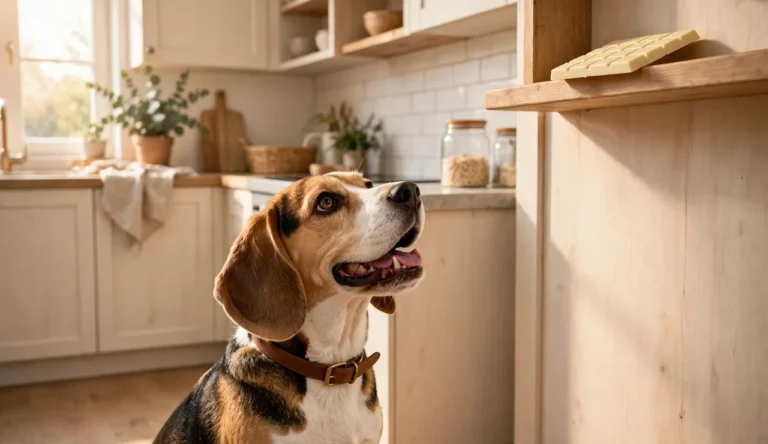

Can Dogs Eat Cottage Cheese?

Yes, dogs can eat cottage cheese, and it is widely considered one of the safest and healthiest cheeses to offer. Cottage cheese is lower in fat and lactose than most other cheeses, soft in texture, and high in protein and calcium, which is why many veterinarians recommend it as part of a bland diet for dogs recovering from an upset stomach. It should still be given in moderation, plain, unsweetened, and preferably low sodium, since even the gentlest cheese is a supplemental treat rather than a dietary requirement.
Key Takeaways
- Cottage cheese is one of the safest cheese options for dogs due to its lower fat and lactose content.
- It is high in protein and calcium and has a soft texture that is easy to digest.
- Veterinarians often recommend plain cottage cheese as part of a bland diet for dogs with mild stomach upset.
- Only plain, unsweetened, low-sodium cottage cheese should be given, with no added fruit, herbs, or seasoning.
- A general guideline is about 1 teaspoon for a small dog up to 2 tablespoons for a large dog, no more than once a day.
- Even lactose intolerant dogs may tolerate cottage cheese better than other cheeses, though individual sensitivity still varies.
Can Dogs Eat Cottage Cheese?

Yes, dogs can eat cottage cheese, and it stands out as one of the more dog-friendly cheeses available. Unlike aged, hard cheeses or rich, fatty varieties, cottage cheese is soft, mild, and comparatively low in both fat and lactose. This combination makes it easier for many dogs to digest than other dairy products, and it is one of the few cheeses that some veterinarians actively recommend in small amounts, particularly for dogs with a sensitive stomach or during recovery from mild digestive upset.
That said, cottage cheese is still a dairy product, and it should always be given in moderation. It should never replace a dog’s regular, complete diet, and plain, unsweetened varieties without added salt, fruit, or seasoning are always the better choice.
Nutritional Profile of Cottage Cheese
Cottage cheese offers a meaningful amount of nutrition relative to many other cheese types.
Nutrient
| Benefit for Dogs
| |
|---|---|
| Protein | Supports muscle maintenance and repai |
| Calcium | Supports bone and dental health |
| Phosphorus | Works alongside calcium to support bone strength |
| B-complex vitamins | Support energy metabolism |
| Probiotic cultures (in some brands) | May support gut health, depending on the product |
Because dogs already receive complete nutrition from a balanced commercial dog food, cottage cheese should be viewed as a beneficial but optional addition rather than something a dog’s diet depends on. If you are exploring other safe treats, learn whether dogs can eat parmesan cheese.
Calories in Cottage Cheese
Cottage cheese is moderate in calories, and the fat content depends heavily on which variety is chosen.
Portion
| Approximate Calories
| |
|---|---|
| 1 tablespoon of low-fat cottage cheese | About 10 to 12 calories |
| ¼ cup of low-fat cottage cheese | About 40 calories |
| 1 cup of low-fat (1%) cottage cheese | About 160 to 165 calories |
Choosing a low-fat variety, generally 1% milkfat or less, is a simple way to keep the calorie and fat content down, which is especially helpful for dogs that are overweight or prone to pancreatitis. As with any treat, cottage cheese should stay within the general guideline of making up no more than 10 percent of a dog’s total daily calorie intake.
Advantages of Feeding Cottage Cheese to Dogs

1. Lower in Fat and Lactose Than Many Other Cheeses
Cottage cheese generally contains less fat and lactose than aged or processed cheeses, making it gentler on the digestive system for many dogs.
2. High in Protein
Roughly 70 percent of the calories in low-fat cottage cheese come from high-quality protein, which supports muscle maintenance.
3. Contains Calcium and Phosphorus
These minerals work together to support bone and dental health.
4. Soft Texture Is Easy to Eat
The soft, creamy texture makes cottage cheese especially easy for senior dogs, puppies, or dogs with dental issues to eat comfortably.
5. Often Used in Bland Diets
Veterinarians commonly recommend plain, low-fat cottage cheese as part of a bland recovery diet for dogs with mild digestive upset, since it is easy to digest and gentle on the gastrointestinal tract.
6. May Contain Beneficial Probiotics
Some brands of cottage cheese contain live active cultures, which may offer a modest benefit to gut health, similar to what is found in plain yogurt.
Disadvantages and Risks of Feeding Cottage Cheese to Dogs
1. Still Contains Lactose
While lower than many other dairy products, cottage cheese still contains some lactose. Dogs with more significant lactose intolerance may still experience gas, bloating, or diarrhea.
2. Sodium Content Can Add Up
Regular cottage cheese can be higher in sodium than expected. Choosing a low-sodium variety is a better option, particularly for dogs with kidney or heart conditions.
3. Overfeeding Can Disrupt Nutritional Balance
Since a complete dog food already provides balanced calcium and phosphorus levels, adding large amounts of cottage cheese on top of a full diet can throw off that balance over time. It should be used as a small addition, not a large one.
4. Flavored Varieties Are Not Appropriate
Cottage cheese blended with fruit, herbs, pepper, or other seasonings should be avoided, since some of these additions are unnecessary at best and potentially harmful at worst, depending on the ingredients used.
5. Not a Nutritional Requirement
Cottage cheese is a supplemental treat, not a required part of a dog’s diet. A complete and balanced commercial dog food already provides everything a dog needs.
Advantages vs. Disadvantages at a Glance
Advantages
| Disadvantages
| |
|---|---|
| Lower in fat and lactose than most cheeses | Still contains some lactose |
| High in protein | Sodium content can be higher than expected |
| Contains calcium and phosphorus | Overfeeding can disrupt calcium and phosphorus balance |
| Soft texture, easy to eat | Flavored or seasoned varieties should be avoided |
| Often used in bland recovery diets | Not nutritionally required |
| May contain beneficial probiotics |
How Much Cottage Cheese Can a Dog Eat?
Portion size should scale with a dog’s body weight, and cottage cheese should be treated as an occasional treat or food topper rather than a daily habit.
Dog Size
| Weight Range
| Safe Serving
| Frequency
| |
|---|---|---|---|
| Extra small | 2 to 10 lbs | 1 teaspoon | Up to once a day |
| Small | 11 to 20 lbs | 1 to 2 teaspoons | Up to once a day |
| Medium | 21 to 50 lbs | 1 tablespoon | Up to once a day |
| Large | 51 to 90 lbs | 1 to 2 tablespoons | Up to once a day |
| Extra large | 91+ lbs | 2 tablespoons | Up to once a day |
As with any new food, it is best to start with a very small amount to see how a dog’s digestive system responds before offering it regularly.
Is Cottage Cheese Good for Dogs with Upset Stomachs?
Yes, plain, low-fat cottage cheese is commonly recommended as part of a bland diet for dogs recovering from mild digestive upset, often paired with something like plain boiled rice or boiled chicken. Its soft texture, lower fat content compared to many other proteins, and mild flavor make it easier to digest than richer foods. However, if a dog is lactose intolerant, cottage cheese should be skipped even during recovery, since dairy could make symptoms worse rather than better. If a dog’s digestive upset is severe, persistent, or accompanied by other concerning symptoms, it is best to consult a veterinarian rather than relying on a home bland diet alone.
Cottage Cheese vs. Other Common Cheeses
Cheese Type
| Fat Level
| Lactose Level
| Sodium Level
| |
|---|---|---|---|
| Cottage cheese (low-fat) | Low | Low to moderate | Moderate, varies by brand |
| Mozzarella | Low to moderate | Low to moderate | Moderate |
| Chedda | Moderate to high | Lower due to aging | Moderate to high |
| Cream cheese | High | Moderate | Moderate |
| Blue cheese | High | Moderate | High, and contains a mold toxin |
Compared to most other cheeses, cottage cheese consistently ranks among the gentler options, which is a major reason it is so frequently recommended over other dairy products.
Can Puppies Eat Cottage Cheese?
Yes, cottage cheese is commonly included in small amounts in homemade puppy weaning mixes and can be a reasonable treat for puppies that are already eating solid food. Puppies naturally produce more lactase than adult dogs, since they need it to digest their mother’s milk, which can make cottage cheese somewhat easier for them to tolerate. Even so, portions should remain small, and it is best to introduce it gradually while watching for any signs of digestive upset.
Cottage Cheese and Dogs with Health Conditions
Certain dogs should approach cottage cheese with some caution, even though it is one of the gentler cheese options.
Condition
| Consideration
| |
|---|---|
| Pancreatitis | Low-fat cottage cheese (1% or less) is generally considered a safer choice than higher-fat cheeses, but veterinary guidance is still recommended |
| Kidney disease | Sodium and phosphorus content should be discussed with a veterinarian |
| Lactose intolerance | Even the lower lactose content in cottage cheese may still cause symptoms in more sensitive dogs |
| Obesity or weight management | Low-fat varieties are the better choice, and portions should still be measured |
How to Safely Feed Cottage Cheese to Your Dog
- Choose a plain, unsweetened, low-fat, and preferably low-sodium variety.
- Avoid any cottage cheese blended with fruit, herbs, pepper, or other seasonings.
- Start with a very small amount, such as a teaspoon for a small dog.
- Monitor for any signs of digestive upset before offering it again.
- Use it as an occasional topper or treat rather than a daily addition to meals.
Ways to Serve Cottage Cheese to Dogs
- As a food topper: Mix a small spoonful into a dog’s regular kibble for added flavor and moisture.
- As a bland diet ingredient: Combine with plain boiled rice or boiled chicken during mild digestive recovery.
- As a pill-hiding tool: A small scoop of cottage cheese can help mask the taste of medication.
- As a frozen treat: Freeze small spoonfuls in an ice cube tray for a cooling snack during warm weather.
Signs of an Adverse Reaction
Watch for the following after introducing cottage cheese or increasing the portion size:
- Gas or bloating
- Diarrhea or loose stool
- Vomiting
- Decreased appetite
If mild symptoms appear and resolve within a day, the dog likely has some sensitivity to dairy, and cottage cheese should be reduced or avoided going forward. If symptoms are severe or persistent, consult a veterinarian.
Frequently Asked Questions
Can dogs eat cottage cheese every day?
Small amounts can be given regularly for most dogs, generally up to once a day within the portion guidelines above, though it should still be treated as a treat or topper rather than a core part of the diet.
Is cottage cheese better than regular cheese for dogs?
Yes, in most cases. Cottage cheese is generally lower in fat and lactose than many other cheeses, which makes it a gentler option for most dogs.
Can dogs with lactose intolerance eat cottage cheese?
Some lactose intolerant dogs tolerate cottage cheese better than other dairy products due to its lower lactose content, but sensitivity still varies. If a dog reacts poorly, it is best to avoid dairy altogether.
What is the best type of cottage cheese for dogs?
Plain, unsweetened, low-fat, and low-sodium cottage cheese with no added fruit, herbs, or seasoning is the best choice for dogs.
Can cottage cheese help with a dog’s upset stomach?
Yes, plain, low-fat cottage cheese is often used as part of a bland diet for dogs with mild digestive upset, though a veterinarian should be consulted if symptoms are severe or persistent.
Can puppies eat cottage cheese?
Yes, in small amounts once a puppy is eating solid food. Puppies often tolerate it well due to naturally higher lactase levels, but portions should still be small and introduced gradually.
How much cottage cheese can a dog eat in one day?
This depends on the dog’s size, ranging from about 1 teaspoon for a small dog up to 2 tablespoons for a large dog, given no more than once a day.
Can dogs eat flavored cottage cheese?
No, flavored or sweetened cottage cheese should be avoided. Only plain, unsweetened varieties are appropriate for dogs.