
Can Dogs Eat Pizza Crust?

Quick Answer: A small piece of plain pizza crust is not toxic to dogs, but it offers virtually no nutrition, just refined carbs, salt, and calories. The real danger is the pizza itself: cheese, pepperoni, garlic, onion, and greasy toppings can all harm your dog. If you share crust, keep it to a tiny plain piece and only very occasionally.
Key Takeaways
- Plain pizza crust is not toxic, but it is nutritionally empty, refined flour, salt, and oil.
- Pizza toppings are the real danger: garlic and onion are toxic, cheese and pepperoni are too fatty and salty.
- A tiny piece of plain crust occasionally is unlikely to harm a healthy dog.
- Stuffed, cheese-filled, or garlic-butter crusts should never be given to dogs.
- Raw pizza dough is dangerous, yeast can expand in the stomach and produce alcohol.
- Dogs with wheat allergies, diabetes, or weight problems should not have pizza crust at all.
- Healthier crunchy alternatives like carrot sticks or apple slices make far better treats.
Can Dogs Eat Pizza Crust?
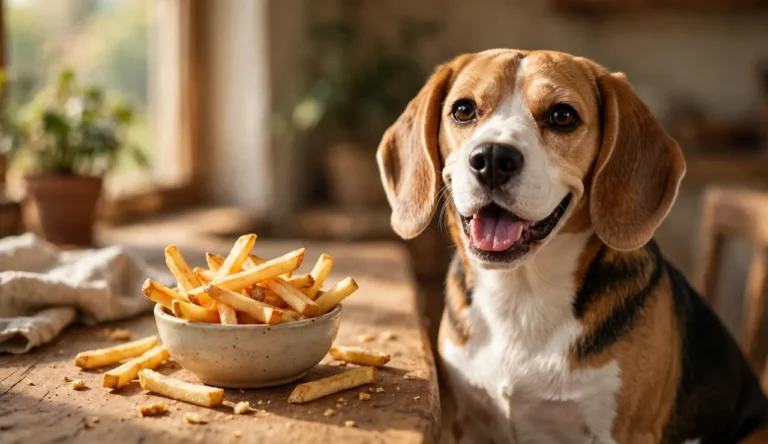
Technically, yes, a small piece of plain baked pizza crust will not poison your dog. Crust is essentially baked bread dough: flour, water, yeast, salt, and oil. None of these are acutely toxic to dogs in the tiny amount found in a nibble of crust. Many dogs beg for crust ends, and an occasional small piece is unlikely to cause harm in a healthy adult dog. If you are exploring other safe treats, learn whether dogs can eat celery. Many owners also wonder can dogs eat pineapple before sharing snacks.
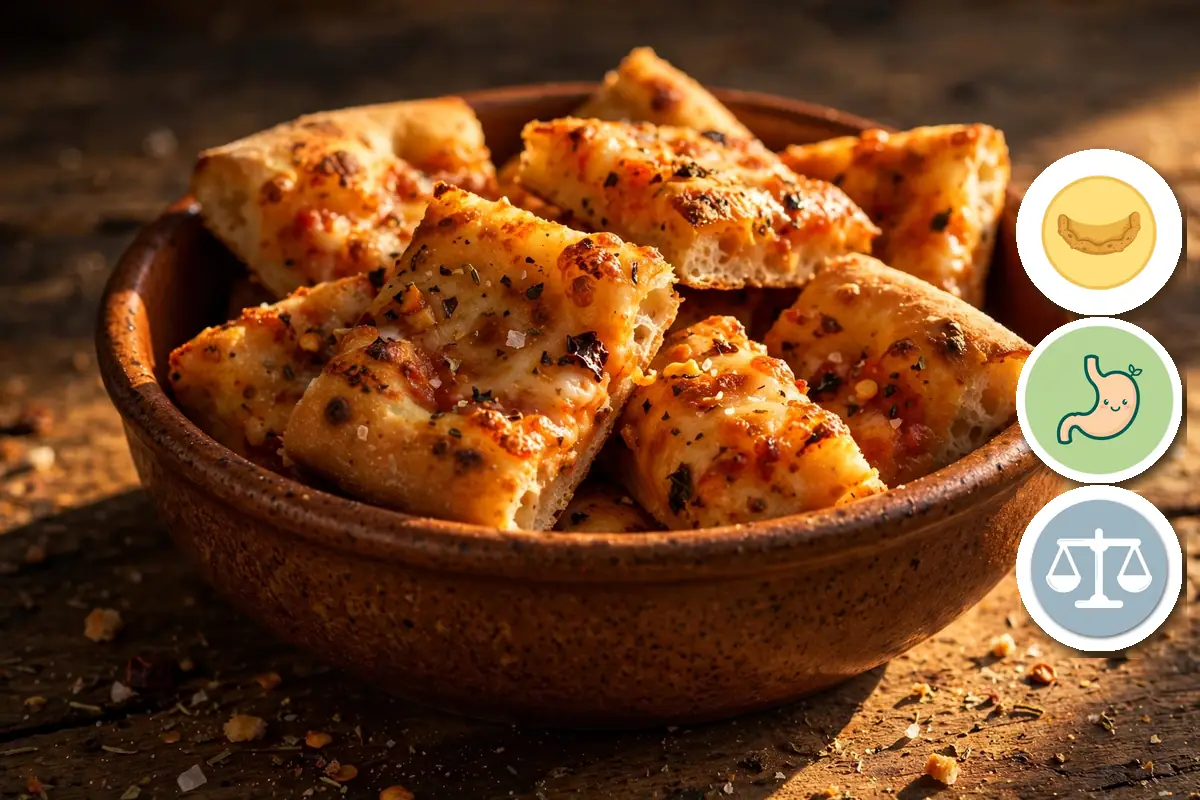
But “not toxic” is very different from “fine to feed.” Pizza crust is pure refined carbohydrate with added salt and oil, it spikes blood sugar, contributes to weight gain, and delivers none of the protein, vitamins, or minerals your dog needs. Dogs evolved to thrive on protein and fat, not on the leftover breadstick of your Friday night takeout.
The bigger issue is context. Crust rarely comes without pizza attached, and pizza is a minefield for dogs. Garlic and onion (common in sauce and toppings) are toxic to dogs. Cheese is high in fat and lactose. Pepperoni, sausage, and bacon bring extreme salt and fat. Greasy, rich meals are a classic trigger for pancreatitis. So while the crust itself is the least dangerous part of the slice, the habit of sharing pizza-night food is worth breaking.
Nutritional Profile of Pizza Crust
| Nutrient (per 100g plain crust) | Amount | Potential Benefit for Dogs |
|---|---|---|
| Carbohydrates | 50–55g | Energy, but refined carbs with little value |
| Protein | 8g | Minimal; incomplete amino acid profile |
| Fat | 8–10g | Mostly from oil; adds empty calories |
| Sodium | 500–700 mg | Excessive for dogs; no benefit |
| Fiber | 2g | Negligible |
| B vitamins (from flour) | Trace | Minimal contribution |
Calories in Pizza Crust
Plain pizza crust contains roughly 270–300 calories per 100 grams, nearly all from refined carbs and oil. A single crust end can easily pack 100–150 calories, which is a significant chunk of a small dog’s daily treat allowance. Remember the 10% rule: all treats combined should stay under 10% of daily calories, and crust spends that budget with nothing to show for it nutritionally.
Benefits of Feeding Pizza Crust to Dogs
Frankly, pizza crust has almost no nutritional benefits for dogs. But for completeness, here is what can be said:

1. Not Acutely Toxic
Unlike chocolate, grapes, or xylitol-containing foods, a plain crust will not poison your dog, the worst outcome of a tiny piece is usually nothing at all.
2. Provides Quick Energy
The refined carbs digest quickly into energy, useful only in the trivial sense that calories are calories.
3. Satisfies Begging (Temporarily)
A tiny crust piece can redirect a begging dog without the greater risks of sharing actual pizza toppings.
4. Crunchy Texture Dogs Enjoy
Many dogs love the chew of a crisp crust end, though crunchy vegetables deliver the same satisfaction with real nutrition.
Risks of Feeding Pizza Crust to Dogs
1. Empty Calories and Weight Gain
Crust is calorie-dense refined carbohydrate with no meaningful nutrition. Regular sharing contributes to obesity, which shortens dogs’ lives and worsens joint disease.
2. High Salt Content
Commercial pizza crust is surprisingly salty. Excess sodium causes extreme thirst and, in large amounts, can contribute to sodium ion poisoning, especially dangerous for small dogs.
3. Garlic Butter and Seasoned Crusts
Garlic-butter brushed crusts, parmesan crusts, and herb-seasoned edges are common, and garlic is toxic to dogs. Never share flavored or stuffed crusts.
4. Topping Contamination
Crust edges often carry traces of sauce (garlic, onion), cheese grease, and meat drippings. A “plain” crust from a pepperoni pizza is not really plain.
5. Wheat Sensitivity
Some dogs are sensitive or allergic to wheat, reacting with itchy skin, ear infections, or digestive upset. For these dogs, any crust is off the table.
6. Encourages Begging and Bad Habits
Sharing table food teaches dogs to beg and scavenge, behaviors that eventually lead them to grab something genuinely dangerous.
Can Dogs Eat Raw Pizza Dough?
No, raw dough is dangerous. Yeast continues to ferment in the warm environment of a dog’s stomach, causing the dough to expand. This can lead to painful bloating (gastric dilatation) and, as yeast ferments sugars, it produces ethanol, potentially causing alcohol poisoning. If your dog eats raw pizza dough, call your vet immediately; this is an emergency.
Can Dogs Eat Pizza Sauce or Cheese?
Both should be avoided. Pizza sauce typically contains garlic and onion, both toxic to dogs, plus high salt. Cheese is high in fat and lactose; while a tiny bit of plain cheese is not toxic, the greasy cheese on pizza commonly causes vomiting and diarrhea, and rich fatty meals can trigger pancreatitis.
Can Dogs Eat Pepperoni or Other Pizza Toppings?
No. Pepperoni, sausage, bacon, and ham are extremely high in salt and fat and often contain garlic and spices. Vegetable toppings like onions are toxic; mushrooms from pizza are hard to identify and risky. Keep all pizza toppings away from your dog.
How Much Pizza Crust Can a Dog Eat?
If you share crust at all, keep it to a tiny plain piece, very occasionally, and never the end of a topped, greasy, or seasoned slice.
| Dog Size | Weight | Maximum Occasional Amount (plain crust only) |
|---|---|---|
| Extra small | Under 5 kg | A thumbnail-size piece, rarely |
| Small | 5–10 kg | One small bite, rarely |
| Medium | 10–25 kg | One crust end, rarely |
| Large | 25–40 kg | One crust end, rarely |
| Giant | Over 40 kg | One to two crust ends, rarely |
Can Puppies Eat Pizza Crust?
It is best to avoid it. Puppies have sensitive digestive systems and precise nutritional needs, empty carbs and salt displace the nutrients they need for growth. Puppyhood is also when food habits form; starting a pizza-sharing habit now creates a begging adult dog later.
How to Handle Pizza Night with Your Dog
Ways to Keep Your Dog Safe (and Happy)
- Prep a dog-safe snack first: Cut up carrots, apple slices, or cucumber before the pizza arrives so you have something to offer instead.
- Secure the box: Dogs will raid pizza boxes for greasy leftovers, keep boxes closed and out of reach.
- Watch for dropped toppings: Pepperoni, onion pieces, and garlic-laden crusts hit the floor fast; pick them up immediately.
- Teach a “place” cue: A dog settled on its bed during dinner begs less and steals less.
Pizza Crust vs. Better Crunchy Treats for Dogs
| Treat | Calories | Nutrition | Verdict for Dogs |
|---|---|---|---|
| Plain pizza crust | High | Empty carbs, high salt | Tiny piece rarely at most |
| Carrot sticks | Very low | Beta-carotene, fiber | Excellent crunchy treat |
| Apple slices (no seeds) | Low | Vitamins A and C, fiber | Excellent sweet crunchy treat |
| Plain rice cake | Low-moderate | Minimal, but low salt options exist | Better than crust, still just carbs |
Frequently Asked Questions
My dog ate a whole slice of pizza, what should I do?
Monitor closely for vomiting, diarrhea, lethargy, or abdominal pain. The main concerns are the fat load (pancreatitis risk), garlic/onion in the sauce, and high salt. Call your vet if symptoms appear or if your dog is small and ate a large amount.
Can dogs eat stuffed crust pizza?
No. Stuffed crusts contain cheese filling, high in fat and lactose, and are richer and saltier than regular crust.
Can dogs eat the crust from a cheese-only pizza?
A tiny plain piece is the least risky option, but the crust will still be greasy from cheese and likely salted. Keep it minimal and rare.
Is pizza crust bad for dogs with diabetes?
Yes, the refined carbs spike blood sugar quickly. Diabetic dogs should not have pizza crust at all.
Can dogs eat cauliflower pizza crust?
Plain cauliflower crust is lower in carbs, but commercial versions often contain cheese, garlic, and onion powder. Check ingredients carefully; homemade plain cauliflower crust in small amounts is the safer version.
What is the healthiest thing to share on pizza night?
Plain cooked chicken pieces, carrot sticks, or apple slices, all the fun of sharing, with actual nutrition and none of the risk.