Can Dogs Eat Cuties?

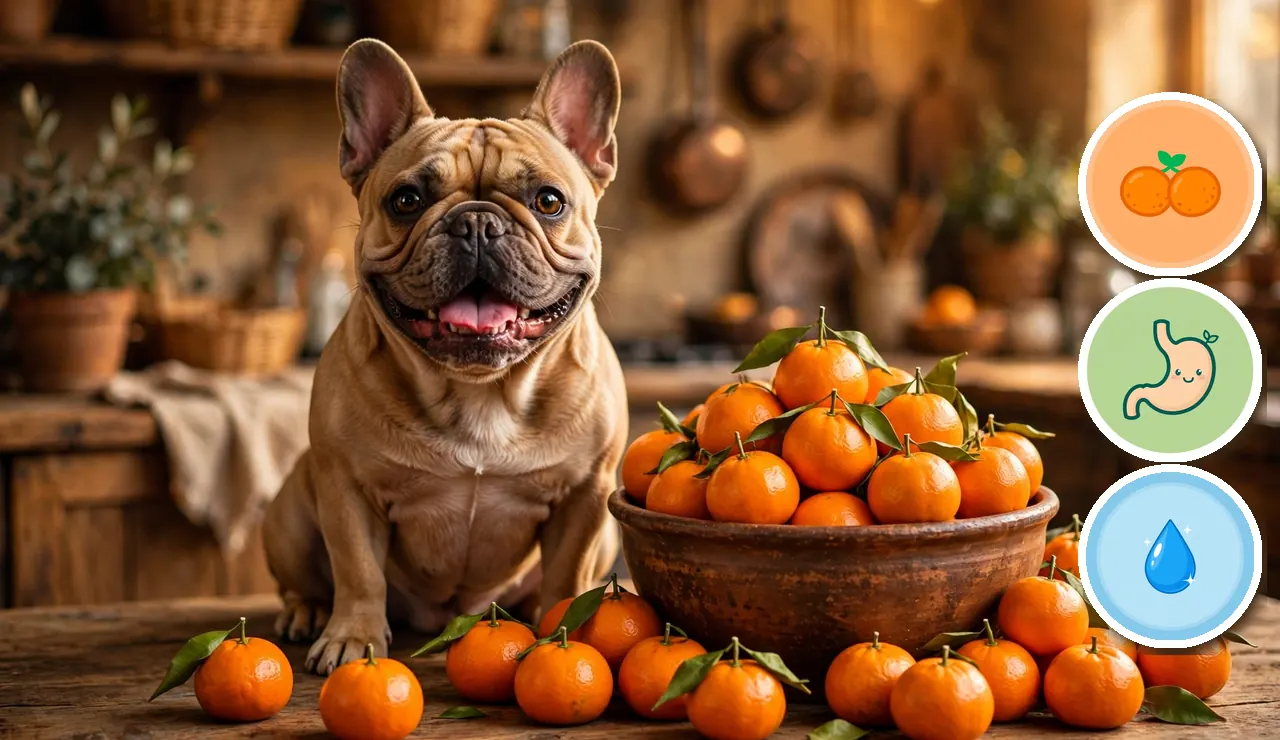
Quick Answer: Yes, dogs can eat Cuties (mandarin oranges and clementines) in small amounts. The juicy segments are non-toxic and most dogs enjoy their sweet taste. However, the peel, pith, and seeds should be kept away from dogs, and the fruit’s acidity and sugar mean it should only ever be an occasional treat. If you are exploring other safe treats, learn whether dogs can eat cantaloupe. Curious about other foods? See if watermelon is safe for dogs.
Key Takeaways
- Cuties mandarins and clementines are safe for dogs; only the peeled segments should be offered.
- The peel contains citrus oils that can irritate your dog’s digestive system.
- Cuties provide vitamin C, fiber, and hydration in a low-calorie package.
- Their natural sugars and acidity can cause stomach upset if your dog eats too many.
- Always remove seeds and as much white pith as practical before serving.
- A few segments a few times per week is plenty for most dogs.
- Dogs with sensitive stomachs or diabetes should skip citrus or check with a vet first.
Can Dogs Eat Cuties?
Yes, Cuties, the popular brand of easy-peel mandarins and clementines, are safe for dogs to eat. The soft, seedless-leaning segments inside are non-toxic, hydrating, and naturally portioned into bite-size pieces that many dogs find irresistible. Unlike grapes or raisins, there is nothing in mandarin flesh that threatens a dog’s kidneys or red blood cells.
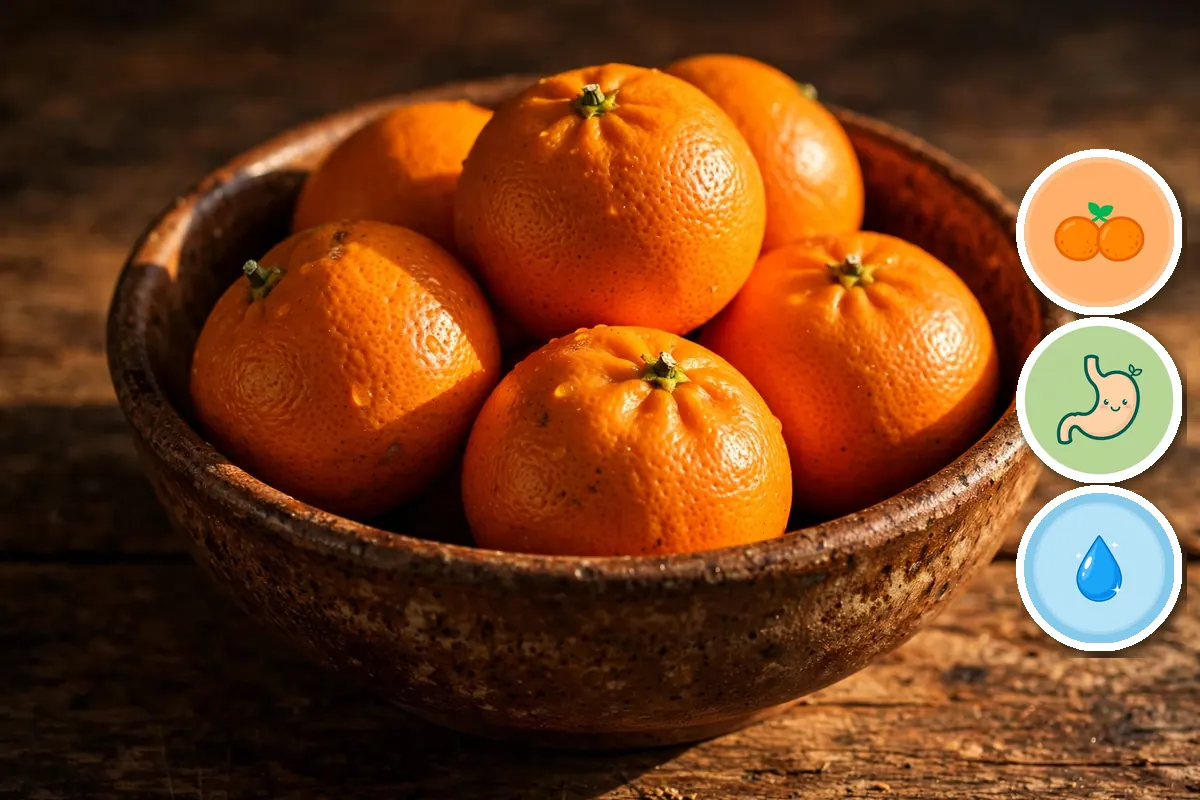
The catch is everything around the segments. Citrus peels contain essential oils (like limonene) and compounds that can irritate a dog’s mouth and stomach, causing drooling, vomiting, or diarrhea. The white pith is bitter and hard to digest, and while mandarin seeds are not highly toxic, they are best removed to avoid any choking risk in small dogs.
Think of Cuties the way you would any sweet fruit: a fun occasional treat, not a health food. Their acidity can bother sensitive stomachs, and the sugar adds up, especially for small or diabetic dogs.
Nutritional Profile of Cuties (Mandarins)
| Nutrient (per 100g peeled segments) | Amount | Potential Benefit for Dogs |
|---|---|---|
| Water | 85g | Supports hydration |
| Vitamin C | 27 mg | Antioxidant; supports immune function |
| Fiber | 1.8g | Supports healthy digestion in small amounts |
| Vitamin A | 680 IU | Supports vision and immune health |
| Folate | 16 mcg | Supports cell function |
| Potassium | 166 mg | Supports muscle and nerve function |
| Natural sugars | 10–11g | Quick energy, but limit portions |
Calories in Cuties
One medium Cutie mandarin (about 75g peeled) contains roughly 35–40 calories, or about 50 calories per 100 grams. That is relatively low for fruit, but a whole Cutie is still a meaningful treat for a small dog, remember the 10% rule for all treats combined.
Benefits of Feeding Cuties to Dogs
1. Hydrating and Refreshing
At 85% water, mandarin segments are a juicy, hydrating snack, a nice option on warm days when you want to supplement your dog’s water intake with something more exciting.
2. Good Source of Vitamin C
Cuties are rich in vitamin C, an antioxidant that supports immune function. Dogs synthesize their own vitamin C, so this is a bonus rather than a necessity, but it does no harm.
3. Low in Fat and Calories
Compared with commercial biscuits and chews, a few mandarin segments are a light, virtually fat-free reward, a better choice for dogs watching their weight.
4. Naturally Pre-Portioned
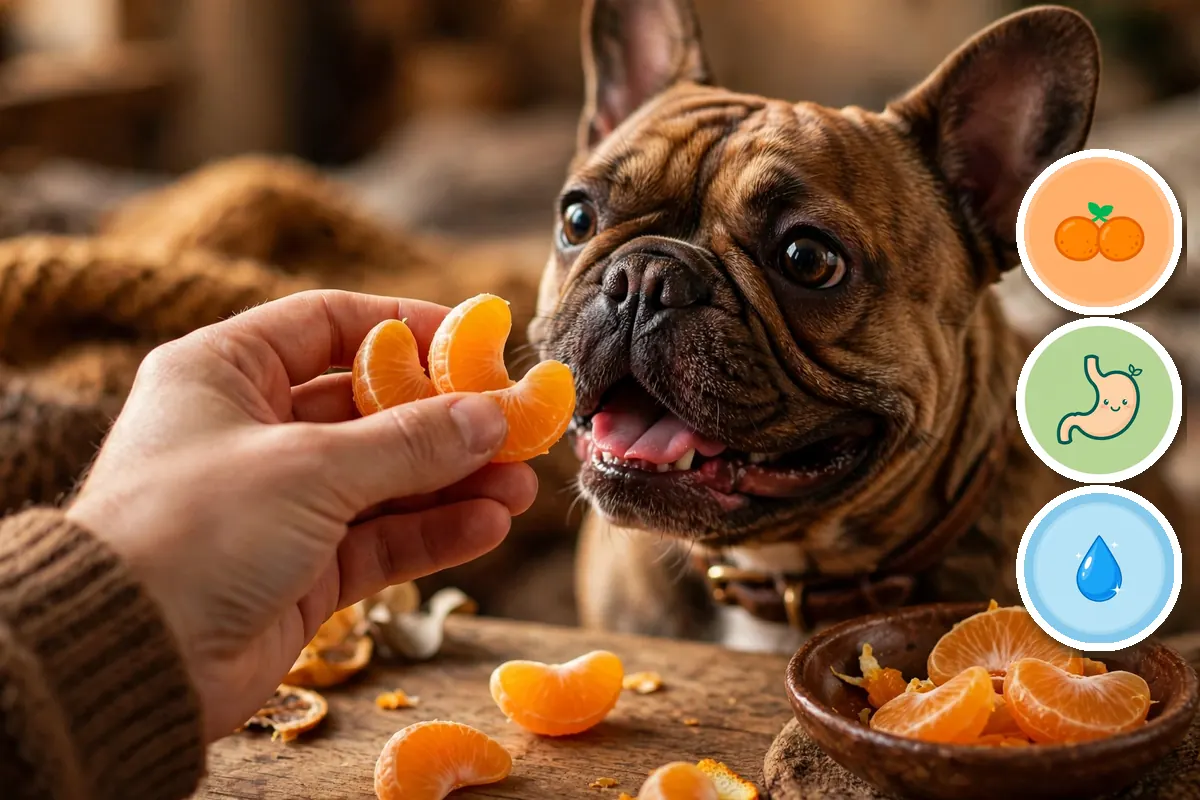
Mandarin segments are already bite-size, making portion control easy. You can hand out one or two segments as training rewards without any prep work beyond peeling.
5. Most Dogs Love the Taste
The sweet-tart flavor is a hit with many dogs, making Cuties a useful high-value treat for training, healthier than processed training treats loaded with additives.
6. Provides Fiber
The modest fiber in mandarin segments can support regular digestion when given in small amounts.
Risks of Feeding Cuties to Dogs
1. Citrus Peel Causes Digestive Upset
The peel is the main hazard. Citrus oils in the rind can cause drooling, vomiting, diarrhea, and stomach pain. Dogs that steal unpeeled mandarins from a fruit bowl often end up with an upset stomach, always peel first and discard peels securely.
2. Acidity Bothers Sensitive Stomachs
Mandarins are acidic, and dogs with sensitive digestion, acid reflux, or a history of vomiting may react poorly even to the flesh. If your dog has a delicate stomach, skip citrus entirely.
3. Sugar Content
At 10–11g of sugar per 100g, Cuties are moderately sugary. Diabetic dogs should only have them with veterinary approval, and overweight dogs should get them rarely.
4. Seeds and Pith
Cuties are marketed as nearly seedless, but stray seeds do appear. Remove any you find, while not highly toxic, seeds can be a choking hazard for tiny dogs. The bitter white pith can also cause mild stomach upset in quantity.
5. Overeating Leads to Diarrhea
A dog that scarfs down several whole mandarins will likely pay for it with loose stools. The combination of fiber, sugar, and acid is too much at once, keep servings small.
Can Dogs Eat Mandarin Peel?
No. Mandarin and clementine peels contain citrus essential oils and psoralen compounds that irritate a dog’s gastrointestinal tract. Even a small amount of peel can cause vomiting or diarrhea, and the tough rind is a choking risk. Always peel Cuties completely, and throw the peels in a dog-proof trash can, the strong smell attracts curious noses.
Can Dogs Eat Clementines?
Yes, Cuties are actually a mix of mandarin varieties and clementines depending on the season, and both are equally safe for dogs when peeled and served in moderation. The same rules apply: segments only, no peel, no seeds, small portions.
Are Cuties Better Than Oranges for Dogs?
Slightly, for practical reasons. Cuties are smaller, easier to peel, usually seedless, and a bit less acidic than large navel oranges. Nutritionally they are very similar. Either is fine as an occasional treat, the serving guidance is the same.
How Many Cuties Can a Dog Eat?
Cuties should be an occasional treat, a few times per week at most. One whole Cutie is plenty even for a large dog; small dogs should get just a segment or two.
| Dog Size | Weight | Safe Treat Amount |
|---|---|---|
| Extra small | Under 5 kg | 1–2 segments |
| Small | 5–10 kg | 2–3 segments |
| Medium | 10–25 kg | 3–5 segments (about half a Cutie) |
| Large | 25–40 kg | Half to one whole Cutie |
| Giant | Over 40 kg | One whole Cutie |
Can Puppies Eat Cuties?
Yes, puppies can have one or two small mandarin segments as a rare treat once weaned. Their digestive systems are sensitive, so introduce citrus cautiously and watch for any stomach upset. As always, a balanced puppy food should provide the overwhelming majority of their nutrition.
How to Safely Feed Cuties to Your Dog
Ways to Serve Cuties to Dogs
- Peeled segments: Peel completely, remove seeds and excess pith, and hand over a few segments.
- Training rewards: Use single segments as high-value rewards during training sessions.
- Frozen segments: Freeze segments for a cooling summer treat (serve slightly thawed for small dogs).
- Food topper: Chop a segment or two and mix into kibble for extra aroma and moisture.
Never serve Cuties with added sugar, honey, or chamoy, and never let your dog chew on the peel.
Cuties vs. Other Fruits for Dogs
| Fruit | Safety | Calories (per 100g) | Verdict for Dogs |
|---|---|---|---|
| Cuties (mandarins) | Safe (flesh only) | 50 | Good occasional treat; always peel |
| Blueberries | Safe | 57 | Excellent; easy and antioxidant-rich |
| Apples (no seeds) | Safe | 52 | Great crunchy treat; core first |
| Grapes | Toxic | 69 | Never feed, kidney failure risk |
| Banana | Safe | 89 | Fine in small amounts; higher in sugar |
Frequently Asked Questions
Are Cuties toxic to dogs?
No. The flesh of Cuties mandarins and clementines is not toxic to dogs. Only the peel, and large amounts of pith and seeds, are problematic.
Can dogs eat mandarin oranges from a can?
Avoid canned mandarins, they are packed in sugary syrup (or juice with added sweeteners) and offer no benefit over fresh. If you must, choose fruit canned in water with no added sugar, rinse it, and offer only a tiny amount.
My dog ate a whole unpeeled Cutie, what should I do?
Monitor for vomiting, diarrhea, drooling, or loss of appetite over the next 24 hours. Most dogs pass the peel with mild stomach upset, but call your vet if symptoms are severe or your dog is very small.
Can dogs eat the white pith of mandarins?
Small amounts of pith are not dangerous, but it is bitter and fibrous and can contribute to stomach upset. Peel it away as much as practical.
Can diabetic dogs eat Cuties?
Only with your vet’s approval. The natural sugars in mandarins can affect blood glucose, so diabetic dogs need careful portion control.
Do Cuties help with dog constipation?
The fiber and water content may help mildly, but canned plain pumpkin is a far more reliable and vet-recommended option for digestive regularity.