
Can Dogs Eat Jello?

Quick Answer: No, dogs should not eat jello. Jello is made of sugar, gelatin, artificial colors, and flavorings, with no nutrition for dogs. Regular jello is mostly sugar, which contributes to obesity and dental problems, while sugar-free jello often contains xylitol, which is toxic. Plain gelatin in tiny amounts is not toxic, but jello offers your dog nothing useful.
Key Takeaways
- Jello is not recommended for dogs, because it is sugar, gelatin, and artificial flavorings with no nutrition.
- Sugar-free jello often contains xylitol, which is very toxic to dogs.
- Regular jello is high in sugar, which contributes to obesity, dental disease, and diabetes over time.
- Plain, unflavored gelatin in tiny amounts is not toxic, but it offers dogs little benefit.
- Jello with fruit pieces can add extra risks, because some fruits are toxic to dogs.
- If your dog eats sugar-free jello, call your vet immediately, because xylitol poisoning acts fast.
- Offer fresh fruit or plain yogurt instead, which give your dog real nutrition.
Can Dogs Eat Jello?
No, dogs should not eat jello. Jello is a dessert made from gelatin, sugar, water, artificial colors, and artificial flavors, and none of those ingredients help a dog. A spoonful of regular jello will not poison a healthy dog, but it adds sugar and chemicals with no nutritional value. There are far better treats to offer.
The real danger is sugar-free jello. Many sugar-free gelatin desserts use xylitol, also called birch sugar, as a sweetener, and xylitol is extremely toxic to dogs. Even a small amount can cause a dangerous drop in blood sugar, seizures, and liver failure. If your dog eats sugar-free jello, treat it as an emergency and call your vet or a pet poison helpline right away, even if your dog seems fine.
Some owners ask about jello because they have heard that gelatin is good for joints. Gelatin does contain collagen, which supports joint health, but jello is a poor way to deliver it: the sugar, colors, and flavors outweigh any small benefit. Plain, unflavored gelatin mixed into food is better, and even then, a vet-approved joint supplement is more reliable.
Nutritional Profile of Jello
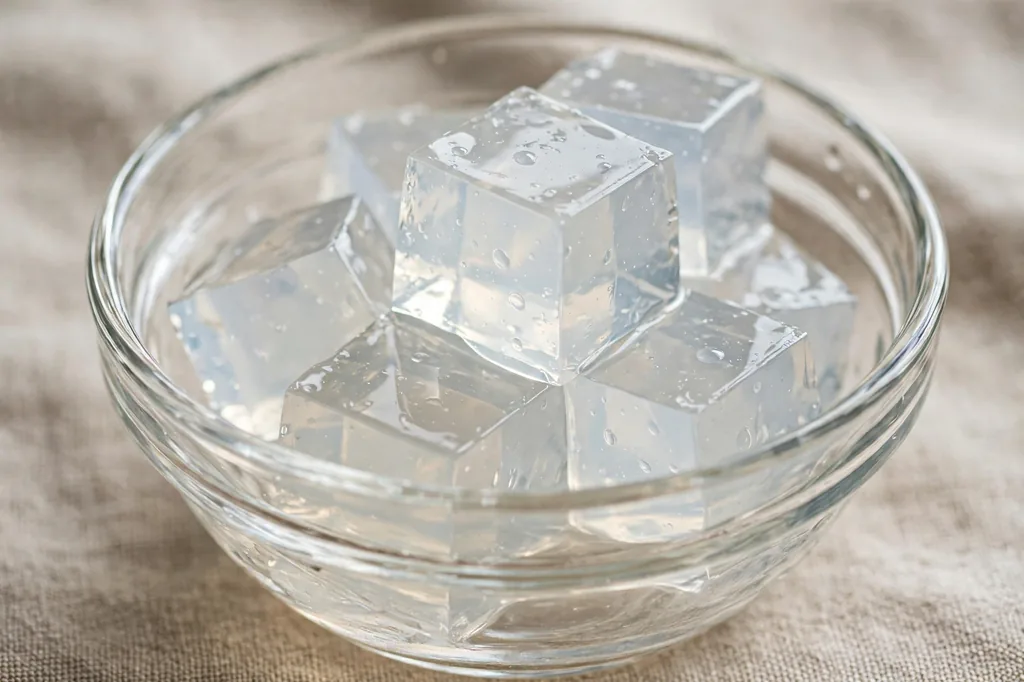
The table below shows the nutrition of prepared regular jello per 100 grams and what each nutrient means for a dog. Sugar-free jello has fewer calories, but it may contain xylitol, which is far more dangerous than sugar.
| Nutrient | Amount per 100g | What it means for dogs |
|---|---|---|
| Calories | 62 kcal | Low, but the calories come from sugar |
| Sugar | 14 g | Added sugar; dogs do not need it at all |
| Protein | 1.2 g | Small amount of gelatin protein |
| Fat | 0 g | No fat, but also no useful nutrition |
| Carbohydrates | 14 g | Almost entirely added sugar |
| Gelatin | 1.2 g | Collagen source, but too little to help joints |
| Sodium | 72 mg | Added salt; unnecessary for dogs |
| Artificial colors | Present | Chemical dyes with no benefit |
| Artificial flavors | Present | Chemical flavors with no benefit |
Calories in Jello
Prepared jello has about 62 calories per 100 grams, and a single serving cup has around 70 to 80 calories. The low calorie count can make jello seem harmless, but calories are not the issue: the sugar, artificial ingredients, and possible xylitol are. A low-calorie treat with toxic sweeteners is far more dangerous than a higher-calorie treat made from real food.
Benefits of Jello for Dogs
Be clear first: the verdict on jello is still “do not feed it.” The points below describe what jello contains, but every benefit here is available from real foods without the sugar or the xylitol risk.
1. Gelatin and Collagen
Jello contains gelatin, which is made from collagen, a protein that supports joints, skin, and coat. The amount in jello is small, and plain unflavored gelatin or a vet-approved joint supplement delivers collagen far better, with no sugar attached.
2. Hydration
Jello is mostly water, so it can add a little moisture to a dog’s diet. Fresh water and hydrating foods like watermelon hydrate your dog far better.
3. Low in Fat
Jello contains no fat, which sounds good, but it also contains no useful nutrition. A fat-free food made of sugar and chemicals is not healthier than a natural treat with a little fat, such as plain yogurt.
4. Easy to Eat
Jello is soft and easy to swallow, which can seem helpful for older dogs or dogs with dental problems. Soft foods such as plain pumpkin or mashed banana are just as easy to eat and far more nutritious.
5. A Fun Texture Dogs Enjoy
Some dogs enjoy the wobbly texture of jello, which makes it seem like a fun treat. A frozen fruit puree or a lick mat with plain yogurt gives your dog the same fun with real nutrition.
Risks and Disadvantages of Jello for Dogs

1. Xylitol in Sugar-Free Jello
Sugar-free jello often contains xylitol, which is extremely toxic to dogs. It triggers a rapid insulin release that drops blood sugar dangerously low, and it can cause seizures and liver failure. Even a small amount is an emergency, so call your vet immediately.
2. High Sugar Content
Regular jello is about 14 percent sugar, and dogs have no nutritional need for sugar. Regular sugary treats contribute to obesity, dental disease, and diabetes, and jello delivers that sugar with no fiber or nutrients to balance it.
3. Artificial Colors and Flavors
Jello gets its bright colors and flavors from artificial chemicals, not from real fruit. Some dogs are sensitive to food dyes, which can cause stomach upset or itching, and these additives offer your dog nothing useful.
4. No Real Nutrition
Jello is sometimes called empty calories, and that is accurate: it provides sugar and water with almost no vitamins or protein. Every calorie spent on jello is a calorie not spent on a nutritious treat.
5. Fruit Pieces Can Add Risks
Jello is often served with fruit pieces mixed in, and some of those fruits are toxic to dogs. Grapes and raisins are the most dangerous, and they can cause kidney failure. Always check what is inside a jello dessert before your dog gets near it.
6. Choking and Stomach Upset
Large chunks of jello can be gulped down without chewing, which can cause choking in small dogs. The sugar and artificial ingredients can also cause gas, bloating, and diarrhea, especially in dogs with sensitive stomachs.
Can Dogs Eat Sugar-Free Jello?
No, dogs must never eat sugar-free jello. Sugar-free jello is the most dangerous kind, because it often contains xylitol, which is extremely toxic to dogs. Xylitol causes a rapid drop in blood sugar, which can lead to weakness, seizures, collapse, and liver failure. If your dog eats sugar-free jello, call your vet immediately, even if your dog seems fine.
Can Dogs Eat Plain Gelatin?
Plain, unflavored gelatin in small amounts is generally considered safe for dogs, because it is just collagen protein with no sugar, colors, or sweeteners. Some owners mix a small amount into food for joint support, but the evidence for benefit is limited, and a vet-approved joint supplement is more reliable. Never give flavored or sweetened gelatin, and ask your vet before adding any supplement to your dog’s diet.
Can Dogs Eat Jello with Fruit in It?
No, jello with fruit in it is not safe for dogs, because you cannot control what fruit was used. Grapes and raisins are toxic to dogs and can cause kidney failure, and they are common in fruit jello. Even safe fruits do not make the jello healthy, because the sugar and artificial ingredients are still there. Offer fresh fruit on its own instead.
How Much Jello Can a Dog Eat?
The recommended amount of jello for dogs is none. The table below covers accidental eating by dog size, so you can judge the risk.
| Dog Size | Weight | If jello is eaten |
|---|---|---|
| Extra small | Under 10 lbs | Call your vet, especially if sugar-free |
| Small | 10-25 lbs | Monitor closely; call your vet if sugar-free |
| Medium | 25-60 lbs | Watch for stomach upset; call your vet if sugar-free |
| Large | 60-90 lbs | A spoonful of regular jello often passes without issue |
| Giant | Over 90 lbs | Monitor; call promptly if sugar-free jello was eaten |
Any sugar-free jello, no matter the amount or the dog’s size, warrants an immediate vet call. When in doubt, call your vet or a pet poison helpline.
Can Puppies Eat Jello?
No, puppies should not eat jello. Puppies have smaller bodies and more sensitive digestive systems, so the sugar and artificial ingredients hit them harder per pound. Sugar-free jello is especially dangerous for puppies, because xylitol poisoning acts fast and a small body has less room for error. Stick to puppy-formulated food and vet-approved treats.
How to Safely Feed Jello to Your Dog
The safest way to feed jello to your dog is not to feed it at all. Offer fresh, natural treats instead, which give your dog real nutrition and a fun texture without any risk.
Ways to Serve
- Plain yogurt: A spoonful of plain yogurt gives your dog probiotics and protein with a creamy texture dogs love.
- Fresh fruit: Offer fresh blueberries or watermelon chunks for a sweet, hydrating treat with real vitamins.
- Frozen fruit puree: Freeze pureed banana or berries in a small mold for a cool, jello-like treat that is actually healthy.
- Plain pumpkin: A spoonful of plain pumpkin adds fiber and flavor, and it is gentle on sensitive stomachs.
- Lick mat with yogurt: Spread plain yogurt on a lick mat for a fun, long-lasting treat that keeps your dog busy.
Jello vs. Other Sweet Treats for Dogs
Not all sweet treats are equal for dogs. This table shows why jello ranks among the worst choices, while fresh foods are far safer.
| Treat | Verdict for Dogs | Main Concern |
|---|---|---|
| Regular jello | Avoid | Sugar, artificial colors, no nutrition |
| Sugar-free jello | Toxic, never feed | Xylitol can cause seizures and liver failure |
| Plain gelatin | Small amounts only | Low benefit; ask your vet first |
| Fresh blueberries | Safe in moderation | Low sugar, rich in antioxidants |
| Plain yogurt | Safe in moderation | Choose unsweetened, no xylitol |
| Watermelon (seedless) | Safe in moderation | Remove rind and seeds |
| Banana pieces | Safe in moderation | Sugary, so keep portions small |
Frequently Asked Questions
Is jello toxic to dogs?
Regular jello is not classed as acutely toxic, but it is unsafe because of its sugar and artificial ingredients. Sugar-free jello is genuinely toxic if it contains xylitol. Treat all jello as off-limits for dogs, and sugar-free jello as an emergency.
What happens if a dog eats jello?
A spoonful of regular jello often causes only mild stomach upset, or no symptoms at all. Watch for vomiting, diarrhea, or lethargy over the next 24 hours. If the jello was sugar-free, call your vet immediately.
Can dogs eat a little jello?
A tiny lick of regular jello is unlikely to cause a crisis in a healthy dog, but jello should not be fed intentionally, even in small amounts. The sugar and artificial ingredients offer no benefit, and healthier treats exist. If your dog sneaks a bite, monitor them for a day.
Is gelatin good for dogs’ joints?
Gelatin contains collagen, which supports joint health, but jello is a poor way to deliver it because of the sugar and additives. Plain unflavored gelatin is safer, but a vet-approved joint supplement is more reliable. Ask your vet before adding any supplement.
Can dogs eat jello cups?
No, jello cups are not safe for dogs. They are the same sugary dessert in a single-serving cup, and sugar-free cups may contain xylitol. The plastic cup is also a choking and blockage risk if your dog chews it. Keep jello cups out of reach.
What should I do if my dog ate jello?
Check whether the jello was sugar-free and roughly how much your dog ate. Remove any remaining jello from reach. Monitor for 24 hours for vomiting, diarrhea, or lethargy. Call your vet right away if the jello was sugar-free, or if any symptoms appear.