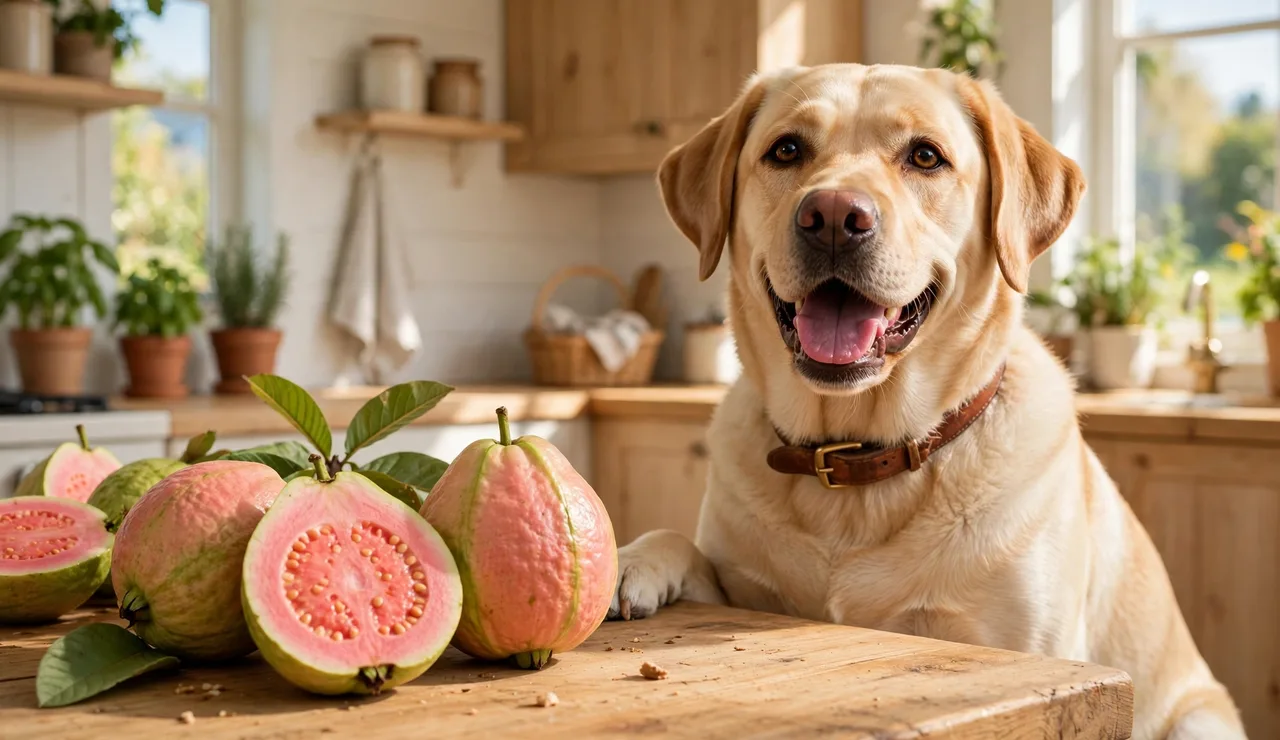
Can Dogs Eat Guava?

Quick Answer: Yes, dogs can eat guava flesh in small amounts. The soft pink or white flesh is safe and full of vitamin C, but you must remove the seeds and the tough skin first. Guava is a sweet tropical fruit, so serve it only as an occasional treat and never let your dog eat the whole fruit in one go.
Key Takeaways
- Guava flesh is safe for dogs in small amounts, but the seeds and skin should be removed.
- Guava is rich in vitamin C, fiber, and potassium, which support immunity and digestion.
- Guava seeds are hard and can cause choking or stomach blockages if swallowed whole.
- The fruit is naturally sweet, so too much can upset the stomach or add extra calories.
- Guava leaves and unripe guava are not safe for dogs and should be avoided.
- Introduce guava slowly, starting with one or two small pieces to check for any reaction.
Can Dogs Eat Guava?
Yes, dogs can eat guava, and most dogs enjoy its sweet smell and soft texture. The flesh of a ripe guava is safe, nutritious, and easy to digest when it is served in small pieces. Guava is packed with vitamin C, which supports the immune system, and it also provides fiber that helps keep digestion regular. As with any fruit, the key is moderation, because guava contains natural sugars that can upset the stomach in large amounts.
The part of the guava that needs care is the center. Guava seeds are small, hard, and numerous, and they can be a choking hazard for small dogs. Swallowed whole, they may also irritate the gut or cause a blockage in rare cases. The skin is tough and harder to digest, so it is best to peel the fruit and scoop out the seeds before serving. What is left is a soft, sweet flesh that most dogs can enjoy safely.
Guava comes in several varieties, including white, pink, and red flesh, and all of them are safe for dogs once prepared the same way. Pink guava tends to be sweeter and softer, while white guava is a little firmer and milder. Choose a ripe fruit that gives slightly when pressed, because unripe guava is hard, sour, and much harder for a dog to digest. If you want another tropical option, ripe mango flesh is a safe sweet treat for dogs when served without the pit or skin.
Nutritional Profile of Guava
| Nutrient per 100g | Amount | Benefit for Dogs |
|---|---|---|
| Calories | 68 kcal | Low in calories for a sweet fruit |
| Vitamin C | 228 mg | Supports the immune system and skin health |
| Fiber | 5.4 g | Supports digestion and regular bowel movements |
| Potassium | 417 mg | Supports heart and muscle function |
| Vitamin A | 31 mcg | Supports vision and healthy skin |
| Folate | 49 mcg | Supports cell growth and healthy blood |
| Magnesium | 22 mg | Supports muscle and nerve function |
| Vitamin B6 | 0.1 mg | Supports brain function and energy metabolism |
Calories in Guava
Guava contains about 68 calories per 100 grams, which is modest for a fruit this sweet. A few small cubes of guava flesh add only 10 to 15 calories, so it fits easily into the treat allowance for most dogs. Remember that treats should make up no more than 10 percent of your dog’s daily calories, and fruit is best offered a few times a week rather than every day.
Benefits of Feeding Guava to Dogs
1. Excellent Source of Vitamin C
Guava is one of the richest natural sources of vitamin C, with far more per gram than most other fruits. Vitamin C supports the immune system and helps the body fight off everyday infections. Dogs can make their own vitamin C, but an extra boost from food can still help, especially for older dogs or those under stress.
2. Supports Healthy Digestion
The fiber in guava helps food move smoothly through the digestive tract and supports regular bowel movements. Fiber also feeds the friendly bacteria in the gut, which play a big role in overall digestive health. A small serving of guava flesh can be a gentle way to add fiber to your dog’s diet.
3. Good for Heart and Muscles
Guava is rich in potassium, a mineral that helps regulate the heartbeat and supports normal muscle function. Potassium also helps balance fluids in the body, which matters for active dogs that lose water through panting and exercise. A few pieces of guava can help top up this important mineral.
4. Supports Vision and Skin Health
The vitamin A in guava supports healthy eyesight and keeps the skin and coat in good condition. Vitamin A also plays a role in the immune system, helping the body respond to germs and minor wounds. Dogs that eat a varied diet with fruits like guava often show a shinier coat over time.
5. Low in Calories for a Sweet Fruit
At only 68 calories per 100 grams, guava is a lighter sweet treat than many shop-bought dog biscuits. This makes it a good choice for owners who want to reward their dog without adding much weight. Just keep the portions small, because the natural sugars still add up if you serve too much.
Risks and Disadvantages of Guava for Dogs
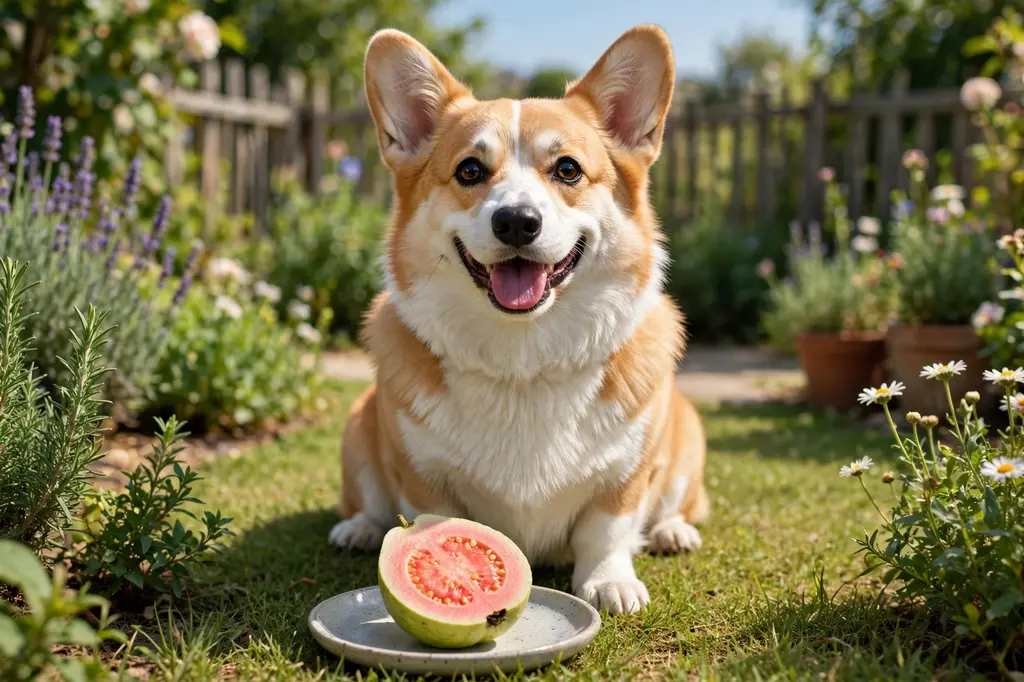
1. Choking Risk From Seeds
Guava seeds are hard and small, and they can lodge in a small dog’s throat or be swallowed whole. In rare cases, a large number of seeds can irritate the gut or cause a blockage. Always scoop out the seeds and serve only the soft flesh to keep this risk away completely.
2. Stomach Upset From Too Much Fruit
Guava is sweet and high in fiber, and eating too much at once can cause gas, bloating, or diarrhea. Dogs with sensitive stomachs are more likely to react, so start with one or two small pieces and wait a day before offering more. If your dog gets loose stools, cut the portion in half next time.
3. Natural Sugars and Weight Gain
Although guava is a healthy fruit, its natural sugars can contribute to weight gain if it becomes a daily habit. Overweight dogs and dogs with diabetes should eat guava only rarely and in very small amounts. Ask your vet before adding any sweet fruit to the diet of a diabetic dog.
4. Tough Skin Is Hard to Digest
The skin of a guava is thick and chewy, and dogs often swallow it without chewing properly. This can lead to stomach discomfort or vomiting in some dogs. Peeling the fruit takes only a moment and removes this problem entirely, so it is always worth doing.
5. Unripe Guava Can Cause Discomfort
Unripe guava is hard, sour, and astringent, and it can irritate a dog’s stomach lining. It is also much harder to chew, which raises the choking risk. Only serve guava that is fully ripe and soft, and throw away any fruit that is still hard or green.
Can Dogs Eat Guava Seeds?
No, dogs should not eat guava seeds. The seeds are hard and small, and they can cause choking or irritate the digestive tract when swallowed. Some owners worry about chemicals in the seeds, but the main danger is physical, not chemical. Cut the fruit in half, scoop out the seedy center with a spoon, and serve only the flesh.
Can Dogs Eat Guava Leaves?
No, dogs should not eat guava leaves. The leaves are tough and fibrous, and they can cause stomach upset, vomiting, or diarrhea if eaten. Keep fallen leaves away from your dog if you have a guava tree, and offer seedless watermelon flesh as a safer summer fruit instead.
Can Dogs Eat Pink Guava?
Yes, dogs can eat pink guava, and it is one of the most popular varieties. Pink guava is usually sweeter and softer than white guava, so many dogs prefer it. The preparation is exactly the same: peel the skin, remove the seeds, and serve the flesh in small cubes.
How Much Guava Can a Dog Eat?
Guava should be a small treat, not a meal. The amounts below are for seedless, peeled flesh only, given a few times a week. If your dog has diabetes or a sensitive stomach, ask your vet first and start with half the amount shown.
| Dog Size | Weight | Guava Flesh per Serving |
|---|---|---|
| Extra small | Under 5 kg | 1 small cube |
| Small | 5 to 10 kg | 2 to 3 small cubes |
| Medium | 10 to 25 kg | 3 to 4 small cubes |
| Large | 25 to 45 kg | Half a small guava |
| Giant | Over 45 kg | Half a guava |
Can Puppies Eat Guava?
Yes, puppies can eat a tiny piece of ripe guava flesh once they are eating solid food, usually from about eight weeks old. Keep the piece very small, with seeds and skin removed, and watch for any stomach upset afterwards. Puppies have delicate digestive systems, so guava should be a rare treat rather than a regular one. If your puppy gets diarrhea, skip fruit for a few days and stick to their normal puppy food.
How to Safely Feed Guava to Your Dog
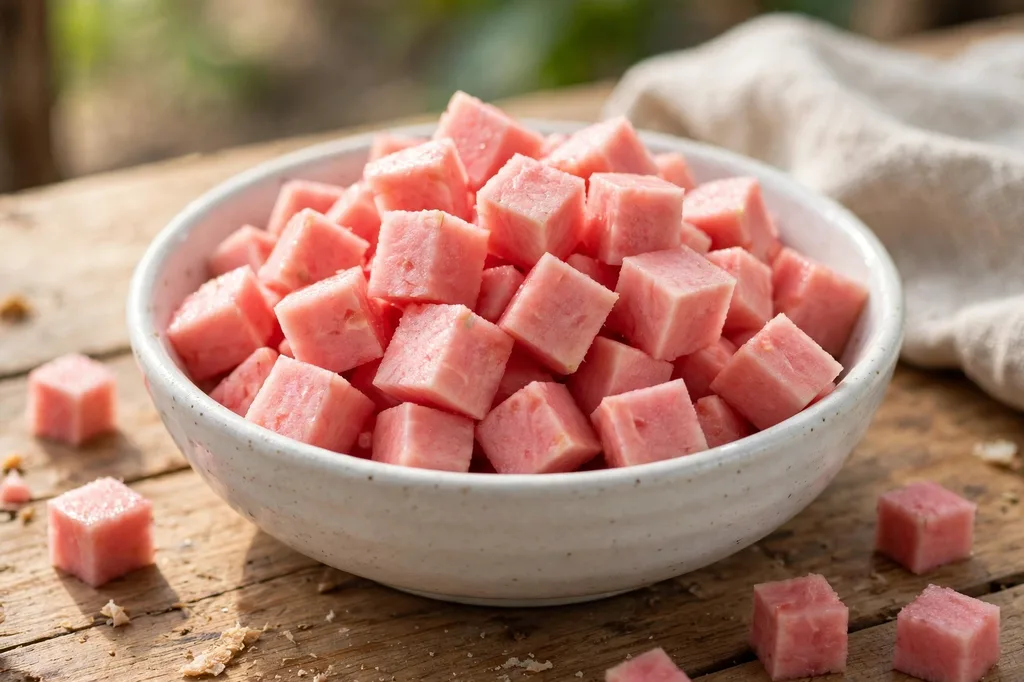
Preparing guava for your dog takes only a minute. Choose a ripe fruit, wash it well, peel the skin, cut it in half, and scoop out the seeds. Cut the flesh into small cubes that suit your dog’s size, and serve them plain with nothing added. Never offer guava juice, dried guava, or guava-flavored snacks, because these are often high in sugar or contain additives.
Ways to Serve
- Serve small cubes of fresh flesh as a training reward.
- Mash the flesh and mix a spoonful into plain kibble.
- Freeze cubes in water for a cool summer enrichment treat.
- Blend flesh with plain yogurt for a fruity topper.
- Stuff a few cubes into a hollow chew toy for slow feeding.
Guava vs. Other Fruits for Dogs
| Fruit | Safe for Dogs | Main Concern |
|---|---|---|
| Guava flesh | Yes, in small amounts | Seeds and skin must be removed |
| Mango flesh | Yes, in small amounts | Pit and skin must be removed |
| Watermelon flesh | Yes, in small amounts | Seeds can cause blockages |
| Blueberries | Yes | Very little risk when washed |
| Grapes | No | Toxic and can cause kidney failure |
Frequently Asked Questions
Can dogs eat guava every day?
Dogs can eat guava a few times a week, but daily feeding is not needed. Guava is sweet, and eating it every day can add extra sugar and calories. Offer it as an occasional treat and rotate it with other safe fruits.
Is guava good for dogs?
Yes, guava is good for dogs in small amounts. It is rich in vitamin C, fiber, and potassium, which support immunity, digestion, and heart health. Just remember to remove the seeds and skin before serving.
Can dogs eat dried guava?
No, dried guava is not a good choice for dogs. Drying concentrates the sugars, and many dried fruit products add extra sugar or preservatives. Fresh guava flesh is always the safer option.
Can dogs eat guava juice?
No, guava juice is not recommended for dogs. Juice contains concentrated sugars without the fiber of the whole fruit, and shop-bought juice often has added sugar. Fresh flesh is a much better way to share guava with your dog.
What happens if a dog eats guava seeds?
A few seeds will usually pass through without harm, but a large number can cause stomach upset or, rarely, a blockage. Watch your dog for vomiting, straining, or loss of appetite over the next day. Contact your vet if any of these signs appear, and offer fresh blueberries as a seed-free fruit treat next time.
Can dogs eat guava skin?
Dogs can technically eat guava skin, but it is tough and hard to digest, so it is best to peel it off. The skin can cause stomach discomfort or vomiting, especially in small dogs. Peeling takes only a moment and keeps the treat safe.