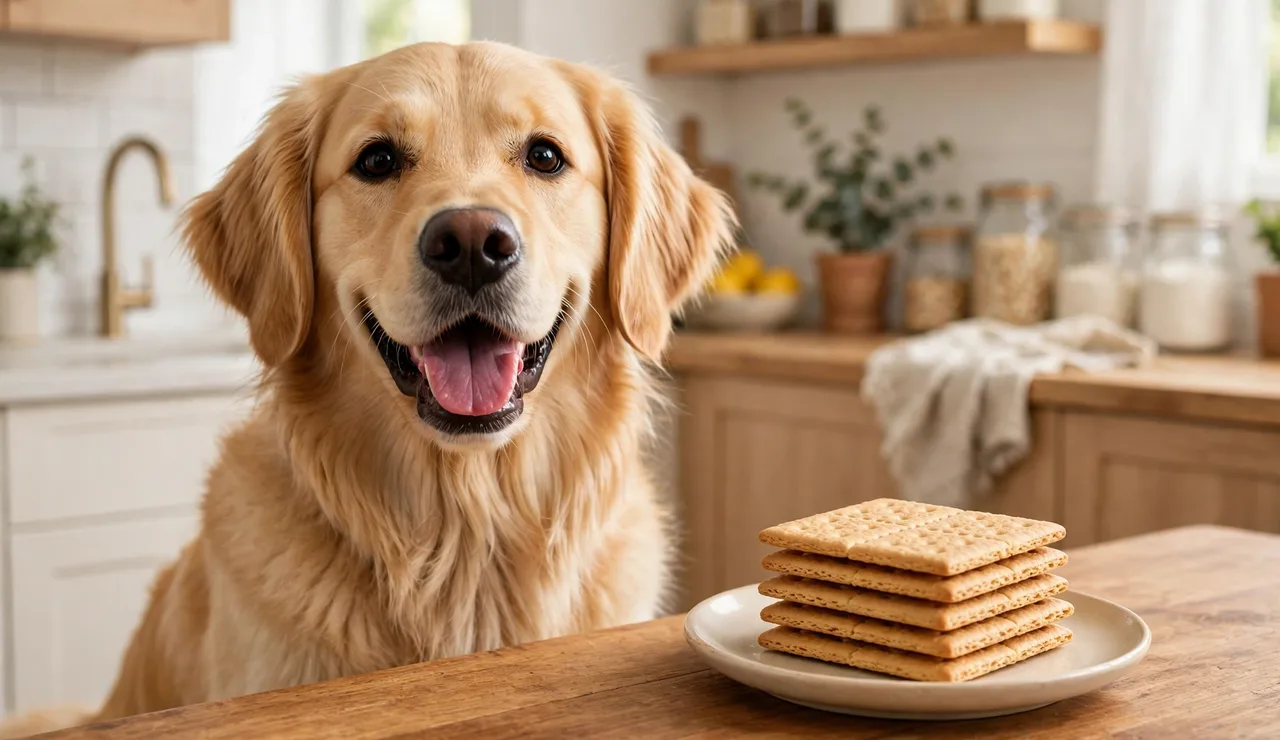
Can Dogs Eat Graham Crackers?

Quick Answer: Graham crackers are not recommended for dogs. They are sugary, low in nutrition, and some brands contain xylitol, a sweetener that is extremely toxic to dogs. A small piece of a plain graham cracker without xylitol will not usually harm a healthy dog, but it should only ever be a rare treat in a tiny amount.
Key Takeaways
- Graham crackers are not recommended for dogs because they are high in sugar and low in nutrition.
- Some brands contain xylitol, which is extremely toxic to dogs and can be fatal.
- Plain graham crackers without xylitol are not toxic, but they offer no real benefit.
- The sugar in graham crackers can lead to weight gain and dental problems over time.
- Chocolate-coated or honey-flavored graham crackers carry extra risks for dogs.
- Always read the ingredient label before sharing any cracker with your dog.
Can Dogs Eat Graham Crackers?
Dogs can eat a small piece of a plain graham cracker, but it is not a good idea to make it a habit. Graham crackers are made from refined wheat flour, sugar, and oil, with very little fiber or protein. They offer almost nothing that a dog needs, and the sugar they contain can contribute to weight gain and tooth decay when eaten often. For a dog, a graham cracker is empty calories in a crunchy package.
The real danger comes from certain brands and flavors. Some sugar-free graham crackers use xylitol as a sweetener, and xylitol is extremely toxic to dogs. It can cause a sudden and dangerous drop in blood sugar, followed by liver failure in severe cases. Even a small amount can be an emergency, so any cracker with xylitol on the label must be kept away from your dog completely. Chocolate-coated graham crackers are also unsafe, because chocolate contains theobromine, which dogs cannot break down.
If your dog steals a plain graham cracker, there is usually no need to panic. A single plain cracker is unlikely to cause serious harm to a healthy adult dog, though it may cause a little stomach upset. Offer a healthier crunchy treat instead, such as plain pumpkin pieces as a low-calorie snack, and keep graham crackers for humans.
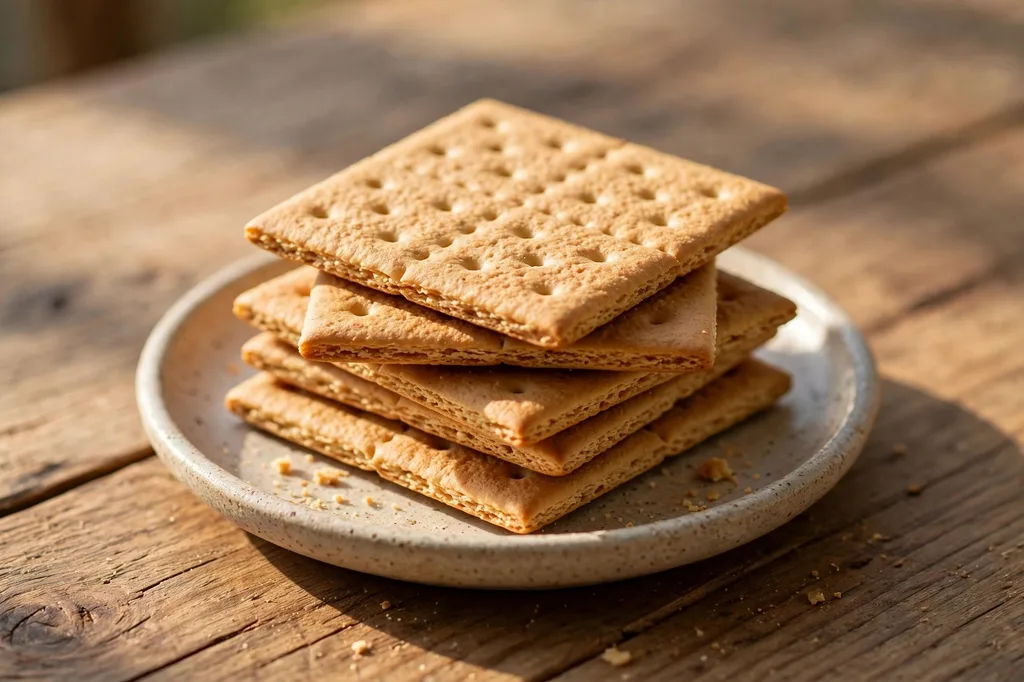
Nutritional Profile of Graham Crackers
| Nutrient per 100g | Amount | Benefit for Dogs |
|---|---|---|
| Calories | 430 kcal | High in calories with very little nutrition |
| Protein | 7 g | Low protein, so it does not support muscle well |
| Fiber | 3 g | Very little fiber for digestion |
| Fat | 10 g | Mostly from added oils, not healthy fats |
| Sugar | 24 g | High sugar, a risk for weight gain and teeth |
| Sodium | 400 mg | Too salty for dogs in regular amounts |
| Iron | 3.6 mg | Helps carry oxygen in the blood |
| Calcium | 40 mg | Supports bone health in small amounts |
Calories in Graham Crackers
Graham crackers contain about 430 calories per 100 grams, and a single cracker holds around 30 calories. That may not sound like much, but treats should make up no more than 10 percent of your dog’s daily calories. For a small dog eating 400 calories a day, one cracker uses up most of the treat allowance, leaving no room for healthier options. Two or three crackers can easily push a small dog over the limit.
Benefits of Feeding Graham Crackers to Dogs
1. A Convenient Occasional Treat
Graham crackers are easy to break into small pieces, which makes them handy as a quick reward when nothing else is available. A tiny piece can work as a training treat in a pinch, and most dogs enjoy the crunch. They are not a healthy choice, but they are convenient when used rarely.
2. Crunchy Texture Dogs Enjoy
Many dogs love crunchy foods, and graham crackers give a satisfying crunch that soft treats do not. The texture can help keep a dog interested during training, especially for dogs that get bored with soft rewards. A small crunchy piece can be a fun change from the usual treats.
3. Easy to Portion Into Small Pieces
A graham cracker breaks cleanly into small squares, so it is easy to control the portion size. This helps owners avoid overfeeding, which is important with any sugary treat. Breaking one cracker into four pieces gives four tiny rewards instead of one large snack.
4. May Help Settle a Mildly Upset Stomach
Some owners find that a small piece of plain cracker helps settle a dog’s stomach after a mild upset, much like plain toast does for people. The bland, dry texture can be gentle on the gut. This is not a treatment, and a vet should be consulted if the upset lasts more than a day.
5. Low Fat Compared to Many Treats
Graham crackers are lower in fat than many shop-bought dog treats, such as biscuits filled with cheese or meat. This makes them a slightly lighter option for dogs that need to watch their fat intake. The sugar content is still a concern, so the portion must stay very small.
Risks and Disadvantages of Graham Crackers for Dogs
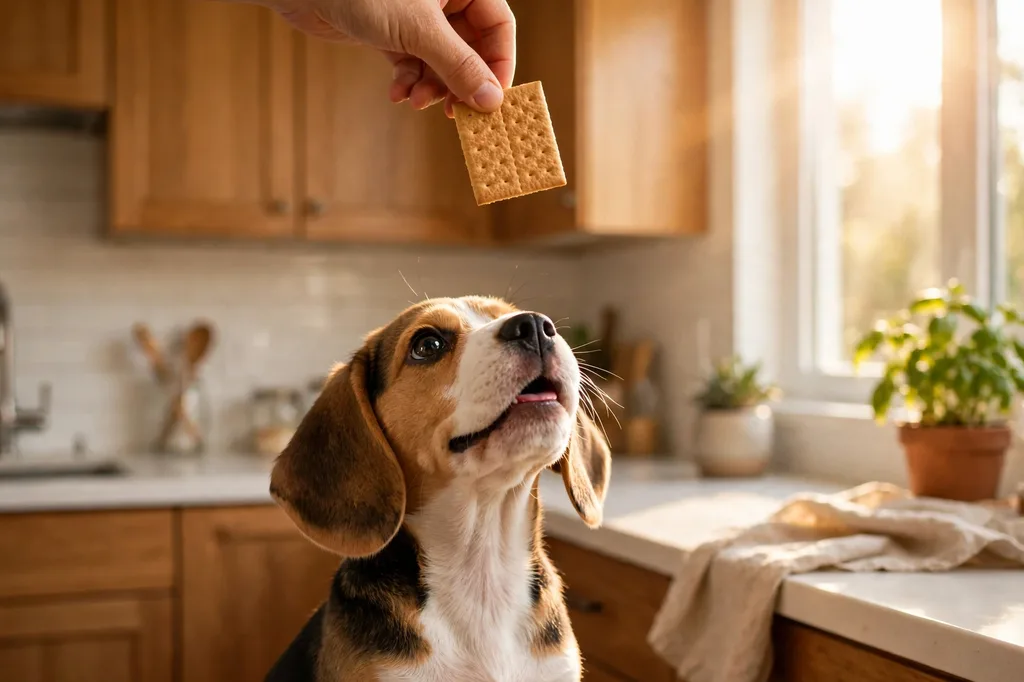
1. Xylitol Poisoning
Xylitol is the most serious risk in graham crackers, because it appears in some sugar-free and low-sugar brands. It causes a rapid release of insulin in dogs, which drops blood sugar to dangerous levels within an hour. Symptoms include vomiting, weakness, shaking, and collapse, and it can lead to liver failure. Xylitol poisoning is a veterinary emergency.
2. High Sugar Content
Graham crackers contain about 24 grams of sugar per 100 grams, which is a lot for a dog. Eating sugary foods often can lead to weight gain, dental decay, and worsened diabetes in dogs that already have the condition. Dogs do not need added sugar in their diet at all, so sweet crackers add risk without benefit.
3. Low Nutritional Value
Graham crackers are made from refined flour with very little fiber, protein, or vitamins. They fill your dog up without giving them anything useful, which can crowd out healthier foods. A treat that adds no nutrition is a poor choice when so many healthy options exist.
4. Salt and Additives
Many graham crackers contain added salt, baking soda, and flavorings that dogs do not need. The sodium level is far higher than a dog’s diet requires, and too much salt can cause thirst, vomiting, and diarrhea. Dogs with kidney or heart problems are at even greater risk from salty snacks.
5. Chocolate and Honey Flavors
Chocolate-coated graham crackers are unsafe because chocolate is toxic to dogs. Honey-flavored versions are not toxic, but they add even more sugar to an already sweet snack. Flavored graham crackers also often contain extra spices and oils that can upset a sensitive stomach.
Can Dogs Eat Honey Graham Crackers?
Honey graham crackers are not toxic, but they are one of the sweetest versions and should be avoided. The honey adds extra sugar on top of the sugar already in the cracker, which increases the risk of weight gain and dental problems. A single piece is unlikely to cause serious harm. Plain crackers are always the safer choice.
Can Dogs Eat Chocolate Graham Crackers?
No, dogs should never eat chocolate graham crackers. Chocolate contains theobromine, which dogs cannot break down properly, and it can cause vomiting, diarrhea, a racing heart, and seizures. The amount of chocolate on a coated cracker is small, but it is still not worth the risk, especially for small dogs. Keep all chocolate-coated snacks well out of reach.
Can Dogs Eat Cinnamon Graham Crackers?
Cinnamon graham crackers are not toxic, but cinnamon in large amounts can irritate a dog’s mouth and stomach. A small piece is unlikely to cause harm, yet the added sugar and spice make it a poor treat choice. Plain graham crackers are safer than cinnamon ones, and a healthier crunchy snack, such as a small cube of cheese as a training reward, is a better option for most dogs.
How Much Graham Cracker Can a Dog Eat?
Plain graham crackers without xylitol should only be given in the tiny amounts below, and only rarely. Any cracker with xylitol or chocolate should never be fed at any size. If your dog eats a xylitol cracker, contact your vet immediately.
| Dog Size | Weight | Plain Graham Cracker per Day |
|---|---|---|
| Extra small | Under 5 kg | A quarter of a cracker |
| Small | 5 to 10 kg | Half a cracker |
| Medium | 10 to 25 kg | Half a cracker |
| Large | 25 to 45 kg | 1 cracker |
| Giant | Over 45 kg | 1 cracker |
Can Puppies Eat Graham Crackers?
No, puppies should not eat graham crackers. Their digestive systems are still developing, and they are more sensitive to sugar, salt, and new foods than adult dogs. Puppies also need carefully balanced food to support growth, and sugary snacks can upset that balance. Wait until your puppy is fully grown, and even then offer only a tiny piece of a plain cracker, never a flavored or sugar-free one.
How to Safely Feed Graham Crackers to Your Dog
If you choose to share a graham cracker, pick a plain version and read the label first to check for xylitol, chocolate, and other additives. Break the cracker into small pieces and offer only one piece as a rare treat. Never feed graham crackers every day, and stop if your dog shows any sign of stomach upset.
Ways to Serve
- Break one plain cracker into four small pieces for training rewards.
- Crumble a small piece over your dog’s regular food as a topper.
- Use a tiny piece as a quick reward during a walk.
- Spread a thin layer of xylitol-free peanut butter on a small piece.
- Hide a small piece in a snuffle mat for foraging fun.
Graham Crackers vs. Other Crunchy Treats for Dogs
| Food | Safe for Dogs | Main Concern |
|---|---|---|
| Plain graham cracker | Yes, in tiny amounts | High sugar and low nutrition |
| Sugar-free graham cracker | No | May contain toxic xylitol |
| Plain Cheerios | Yes, in small amounts | Low nutrition in large amounts |
| Carrot sticks | Yes | Very little risk when cut to size |
| Plain dog biscuits | Yes | Calories add up if overfed |
Frequently Asked Questions
Can dogs eat graham crackers with xylitol?
No, dogs must never eat graham crackers with xylitol. Xylitol is extremely toxic to dogs and can cause a dangerous drop in blood sugar and liver failure. If your dog eats a xylitol cracker, contact your vet immediately.
Are graham crackers bad for dogs?
Graham crackers are not the worst food a dog can eat, but they are not good for them either. They are high in sugar and low in nutrition, and some brands contain xylitol. Healthier treats, such as vegetables or plain fruit, are a better choice.
Can dogs eat graham crackers every day?
No, dogs should not eat graham crackers every day. Daily feeding adds unnecessary sugar and calories, which can lead to weight gain and dental problems. Keep them as a rare treat, if you offer them at all.
Can dogs eat graham cracker crust?
Graham cracker crust is not a good choice for dogs, because it is usually mixed with butter and sugar. The extra fat and sugar make it harder to digest and more likely to cause stomach upset. It is best to skip pie crust entirely.
What should I do if my dog ate a whole box of graham crackers?
Watch your dog closely for vomiting, diarrhea, or bloating over the next day, and call your vet if any symptoms appear. A whole box is a lot of sugar and salt for a dog, and the wrappers can also cause a blockage if eaten. Offer fresh water and plain sweet potato as a gentle food only if your vet says it is fine.
Can dogs eat animal crackers instead?
Animal crackers are similar to graham crackers: plain ones are not toxic, but they are sugary and low in nutrition. Check the label for xylitol and keep the portion tiny.